

Broccoli, cooked, boiled, drained, with salt
Whole food · Vegetables and Vegetable Products
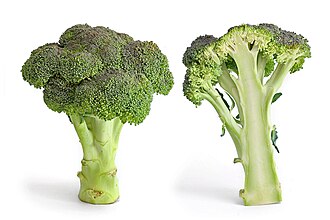
Photo: Wikipedia
This is broccoli florets and stems cooked in boiling water until tender-crisp, then drained and lightly seasoned with salt. The process softens its fibrous structure, yielding a tender yet slightly toothsome texture and a mellow, savory-sweet flavor. Nutritionally, it's a low-calorie powerhouse, delivering over 3 grams of fiber and a solid protein punch per 100 grams.
Calorie split: 23% protein · 68% carbs · 9% fat
↓ Full nutrition💚 Why it's loved
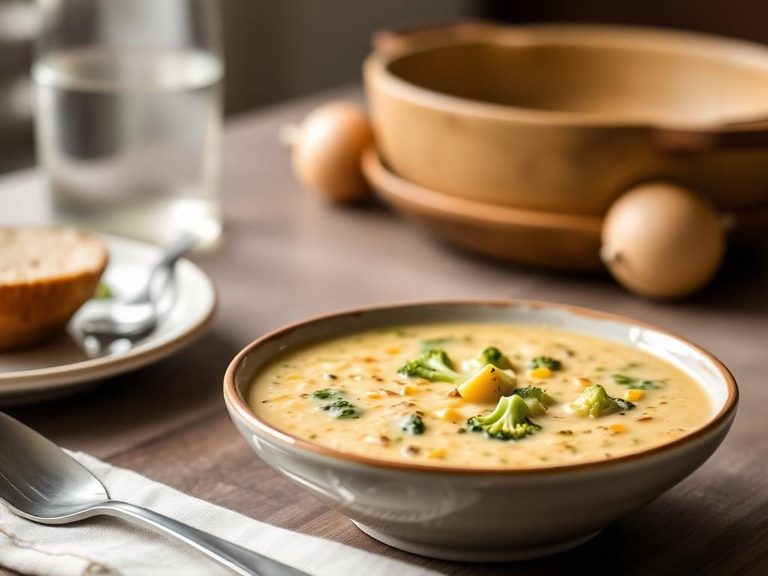
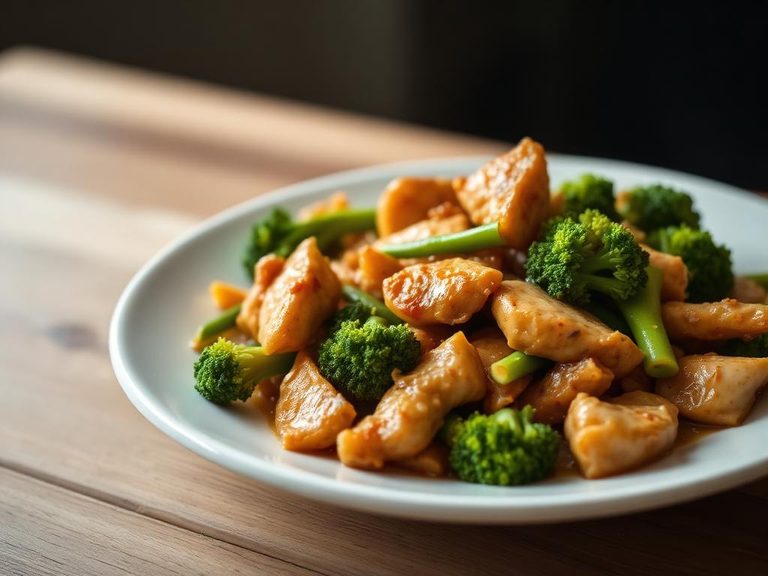
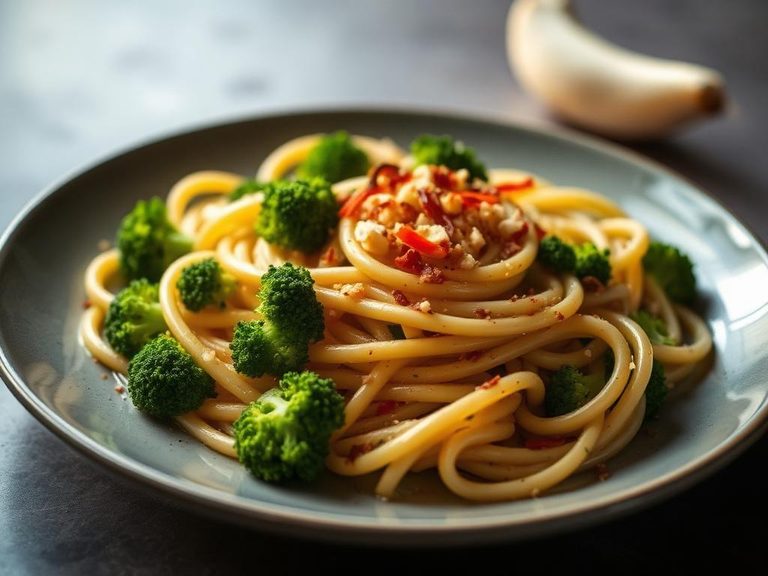
People love it for its incredible versatility—it absorbs sauces and seasonings beautifully while maintaining a pleasant texture. It's a staple in cuisines worldwide, from Italian pasta dishes to Chinese stir-fries, making it a reliable and comforting vegetable choice.
⚠️ Watch-outs & how to enjoy it better
Boiling can leach water-soluble vitamins like vitamin C and B vitamins, and some find the flavor bland if overcooked. Those monitoring sodium intake should be mindful of the added salt, and it contains oxalates, which may be a concern for individuals prone to certain kidney stones. To counteract this, you can steam or roast it instead of boiling to retain more nutrients, use herbs and spices for flavor instead of salt, and pair it with a vitamin C source like lemon juice to aid iron absorption.
Key benefits
- Excellent source of dietary fiber for digestive health.
- Provides a good amount of plant-based protein for its calorie count.
- Very low in fat and calories, supporting weight management.
- Rich in vitamin C and vitamin K (not listed but inherent to broccoli).
- Contains glucosinolates, compounds studied for their health-promoting properties.
🍽️ Popular dishes
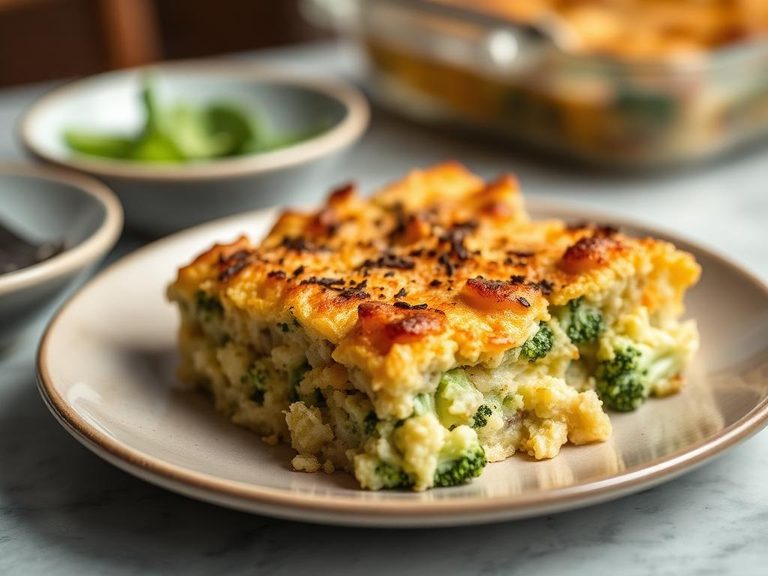
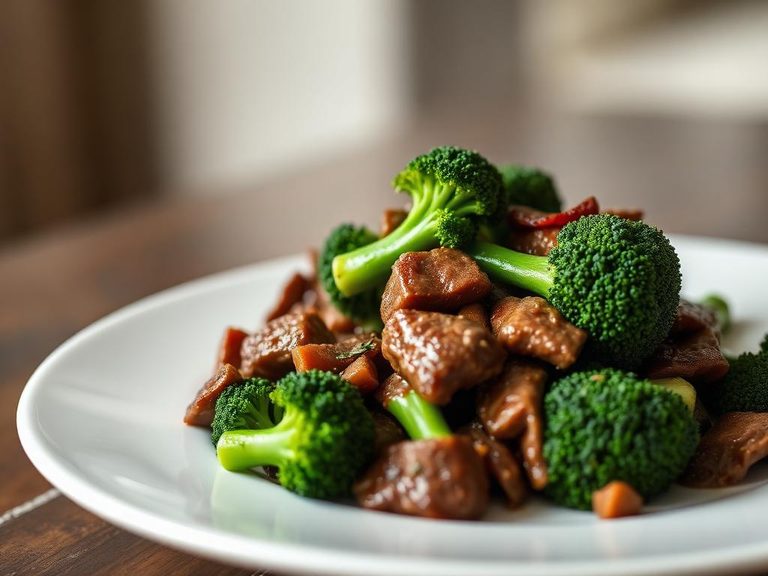
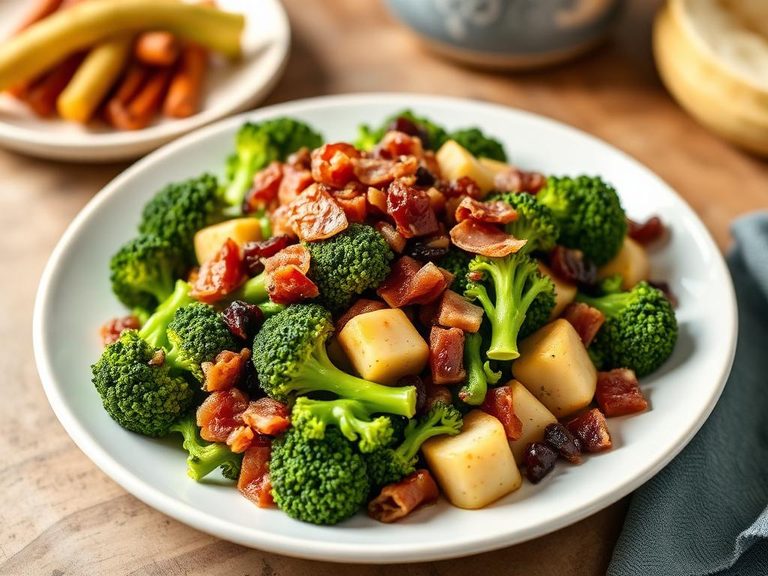
🌍 Where it's eaten
💡 Did you know?
The part we eat is actually the flower head of the plant; if left unharvested, those little green buds would bloom into small, bright yellow flowers.
Full nutrition (USDA data · scales with serving)
| Water | 89.3 g |
| Energy | 35.0 kcal |
| Energy | 146 kj |
| Protein | 2.4 g |
| Total lipid (fat) | 0.41 g |
| Ash | 0.77 g |
| Carbohydrate, by difference | 7.2 g |
| Fiber, total dietary | 3.3 g |
| Total Sugars | 1.4 g |
| Sucrose | 0.08 g |
| Glucose | 0.49 g |
| Fructose | 0.74 g |
| Lactose | 0.00 g |
| Maltose | 0.00 g |
| Galactose | 0.00 g |
| Starch | 0.00 g |
| Calcium, Ca | 40.0 mg |
| Iron, Fe | 0.67 mg |
| Magnesium, Mg | 21.0 mg |
| Phosphorus, P | 67.0 mg |
| Potassium, K | 293 mg |
| Sodium, Na | 262 mg |
| Zinc, Zn | 0.45 mg |
| Copper, Cu | 0.06 mg |
| Manganese, Mn | 0.19 mg |
| Selenium, Se | 1.6 ug |
| Fluoride, F | 4.0 ug |
| Vitamin C, total ascorbic acid | 64.9 mg |
| Thiamin | 0.06 mg |
| Riboflavin | 0.12 mg |
| Niacin | 0.55 mg |
| Pantothenic acid | 0.62 mg |
| Vitamin B-6 | 0.20 mg |
| Folate, total | 108 ug |
| Folic acid | 0.00 ug |
| Folate, food | 108 ug |
| Folate, DFE | 108 ug |
| Choline, total | 40.1 mg |
| Betaine | 0.10 mg |
| Vitamin B-12 | 0.00 ug |
| Vitamin B-12, added | 0.00 ug |
| Vitamin A, RAE | 77.0 ug |
| Retinol | 0.00 ug |
| Carotene, beta | 929 ug |
| Carotene, alpha | 0.00 ug |
| Cryptoxanthin, beta | 0.00 ug |
| Vitamin A, IU | 1548 iu |
| Lycopene | 0.00 ug |
| Lutein + zeaxanthin | 1080 ug |
| Vitamin E (alpha-tocopherol) | 1.4 mg |
| Vitamin E, added | 0.00 mg |
| Tocopherol, beta | 0.01 mg |
| Tocopherol, gamma | 0.25 mg |
| Tocopherol, delta | 0.00 mg |
| Tocotrienol, alpha | 0.00 mg |
| Tocotrienol, beta | 0.00 mg |
| Tocotrienol, gamma | 0.00 mg |
| Tocotrienol, delta | 0.00 mg |
| Vitamin D (D2 + D3), International Units | 0.00 iu |
| Vitamin D (D2 + D3) | 0.00 ug |
| Vitamin K (phylloquinone) | 141 ug |
| Vitamin K (Dihydrophylloquinone) | 0.00 ug |
Fat & fatty acid profile (per 100g)
| Fatty acids, total saturated | 0.08 g |
| SFA 8:0 | 0.00 g |
| SFA 10:0 | 0.00 g |
| SFA 12:0 | 0.00 g |
| SFA 14:0 | 0.00 g |
| SFA 15:0 | 0.00 g |
| SFA 16:0 | 0.06 g |
| SFA 17:0 | 0.00 g |
| SFA 18:0 | 0.01 g |
| SFA 20:0 | 0.00 g |
| SFA 22:0 | 0.01 g |
| Fatty acids, total monounsaturated | 0.04 g |
| MUFA 14:1 | 0.00 g |
| MUFA 15:1 | 0.00 g |
| MUFA 16:1 | 0.01 g |
| MUFA 17:1 | 0.00 g |
| MUFA 18:1 | 0.03 g |
| MUFA 20:1 | 0.00 g |
| Fatty acids, total polyunsaturated | 0.17 g |
| PUFA 18:2 | 0.05 g |
| PUFA 18:3 | 0.12 g |
| PUFA 18:3 n-6 c,c,c | 0.00 g |
| PUFA 20:2 n-6 c,c | 0.00 g |
| PUFA 20:3 | 0.00 g |
| PUFA 20:4 | 0.00 g |
| Fatty acids, total trans | 0.00 g |
| Cholesterol | 0.00 mg |
Amino acid profile (per 100g)
| Tryptophan | 0.03 g |
| Threonine | 0.10 g |
| Isoleucine | 0.09 g |
| Leucine | 0.15 g |
| Lysine | 0.15 g |
| Methionine | 0.04 g |
| Cystine | 0.03 g |
| Phenylalanine | 0.12 g |
| Tyrosine | 0.06 g |
| Valine | 0.14 g |
| Arginine | 0.20 g |
| Histidine | 0.06 g |
| Alanine | 0.11 g |
| Aspartic acid | 0.33 g |
| Glutamic acid | 0.55 g |
| Glycine | 0.10 g |
| Proline | 0.11 g |
| Serine | 0.13 g |
FAQ
How is boiling broccoli different from steaming it?
Boiling submerges broccoli in water, which can cause more water-soluble vitamins (like vitamin C) to leach out. Steaming cooks it with vapor, generally preserving more nutrients and a firmer texture.
Is the salt added during cooking necessary?
No, it's optional. Salting the cooking water seasons the broccoli from the inside out, but you can omit it or add salt (or other seasonings) after cooking to control sodium intake.
Why does overcooked broccoli smell bad?
Overcooking breaks down compounds in broccoli, releasing sulfur-containing gases like hydrogen sulfide, which gives it an unpleasant, rotten-egg-like odor and a mushy texture.
Nutrient density (calculated · NRF9.3)
Nutrient Rich Foods index: beneficial nutrients (protein, fiber, vitamins, minerals) minus saturated fat, added sugar & sodium, per 100 kcal.
NRF9.3 index — Fulgoni, Keast & Drewnowski, 2009. Computed from USDA nutrients.
Weight-loss friendliness (composite index)
Energy density 0.35 kcal/g · 27% calories from protein · 3.3 g fiber · 1.4 g sugar per 100 g.
Composite of energy density (Rolls et al., 1999), protein & fiber satiety, minus sugar. A calculated heuristic — ranks satiety-per-calorie, not a clinical measure.
Dietary load (calculated from USDA values)
Potential renal acid load. Positive = acid-forming, negative = alkaline-forming.
Sodium-to-potassium ratio: 0.89 (lower is better — aim for ≤ 1)
Sodium:potassium per WHO potassium guidance. Computed from USDA nutrients.