

Beef, round, outside round, bottom round, steak, separable lean and fat, trimmed to 0" fat, all grades, raw
Whole food · Beef Products
This is a lean, muscular cut from the rear leg of the cow, prized for its deep beefy flavor and firm, dense texture. When raw, it presents as a dark red, finely grained muscle with minimal marbling and a thin, removable fat cap. Its standout nutritional feature is its exceptionally high protein content relative to its moderate calorie count, making it a powerhouse for muscle-focused diets.
Calorie split: 63% protein · 0% carbs · 37% fat
↓ Full nutrition💚 Why it's loved
It's beloved for its robust, clean beef flavor that stands up to bold marinades and slow-cooking methods without becoming overly rich. Its versatility allows it to be sliced thin for quick stir-fries or braised low and slow for tender, shreddable results.
⚠️ Watch-outs & how to enjoy it better
Its leanness and dense connective tissue mean it can become tough and chewy if overcooked or prepared with high-heat, fast methods. To counteract this, slice it thinly against the grain for quick cooking, or use moist-heat methods like braising or stewing to break down the collagen into gelatin for tenderness.
Key benefits
- Excellent source of complete protein for muscle repair and satiety
- Very low in carbohydrates, suitable for ketogenic and low-carb diets
- Rich in bioavailable iron and zinc for immune function
- Provides B vitamins, especially B12, for energy metabolism
- Naturally low in sugar and fiber
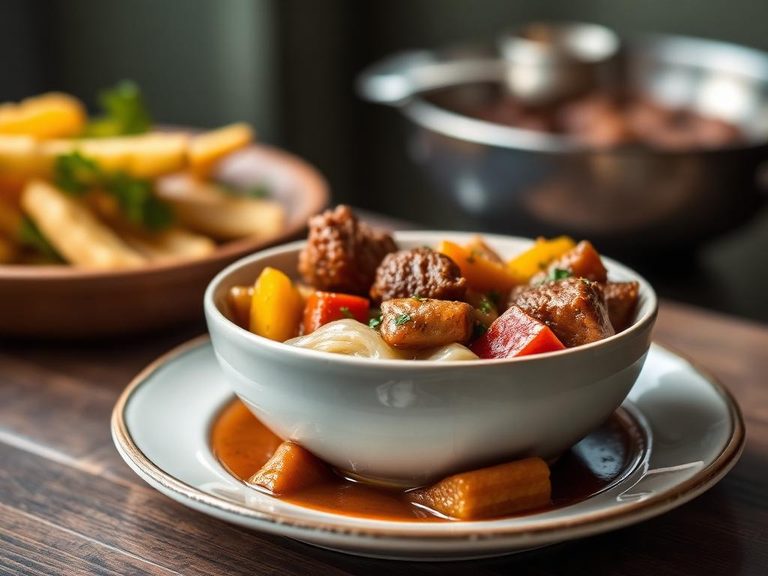
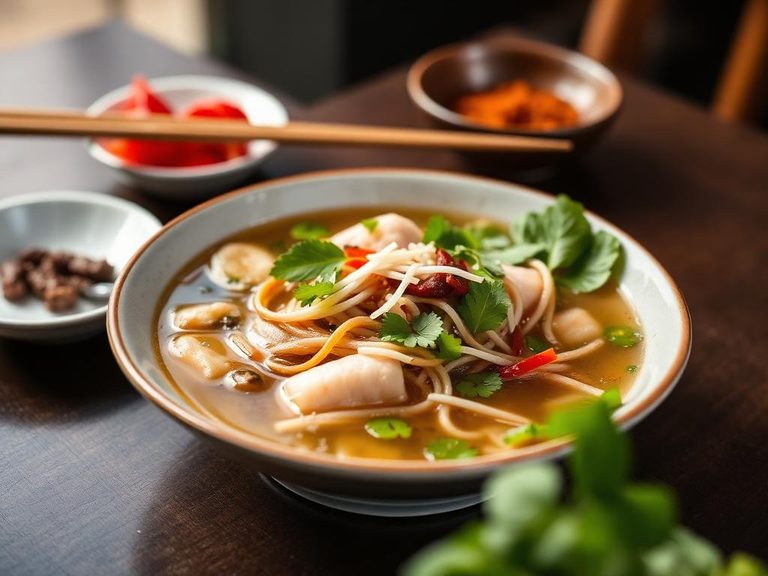
🍽️ Popular dishes
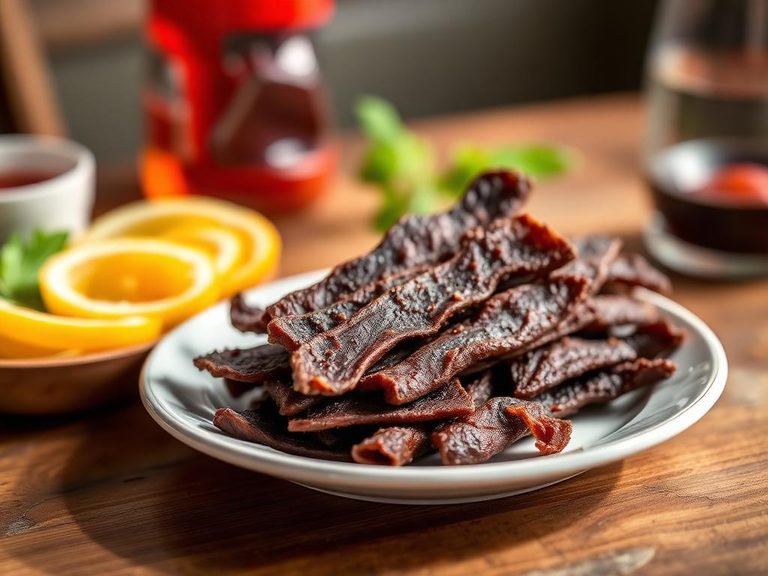
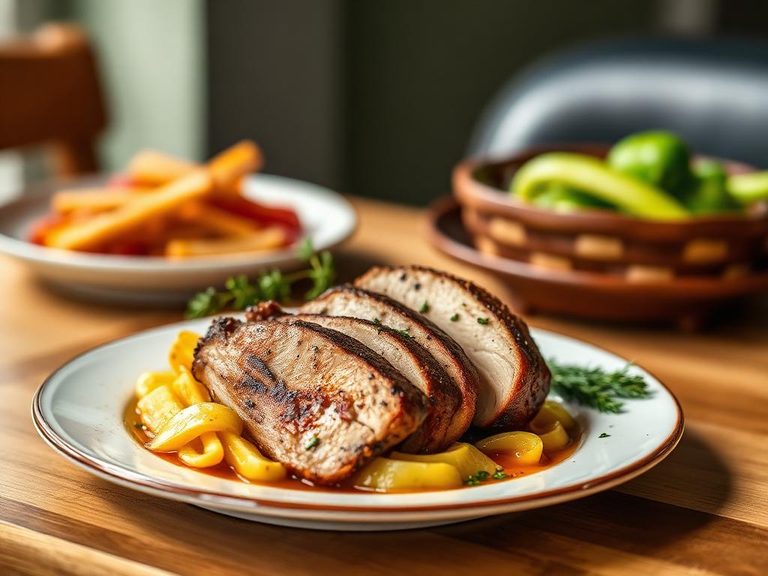
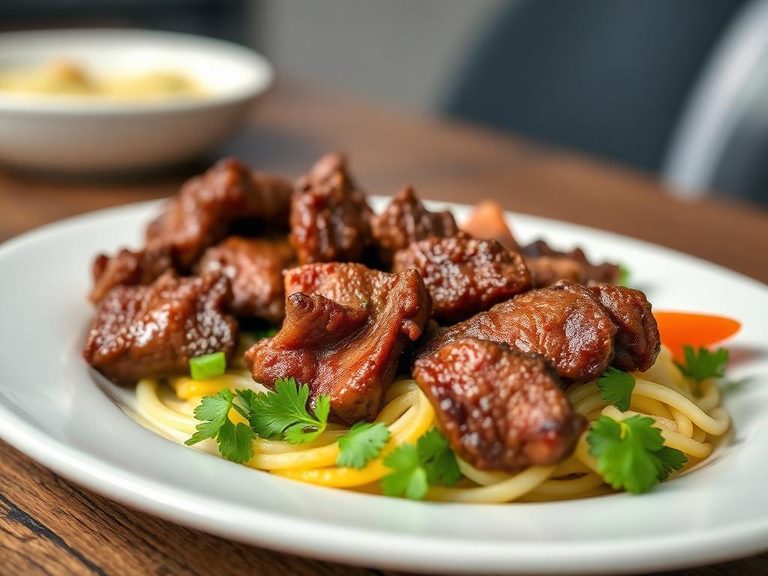
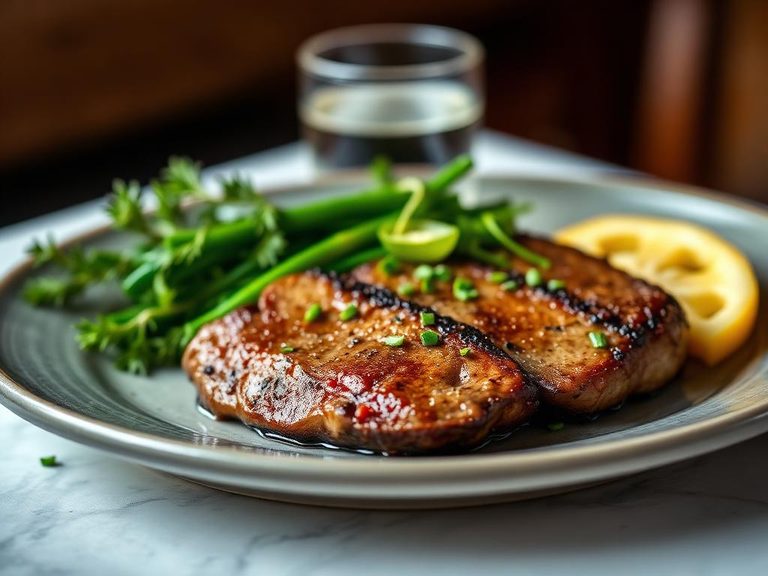
🌍 Where it's eaten
💡 Did you know?
This cut is the primary muscle used for making traditional beef jerky because its low fat content prevents spoilage and rancidity during the dehydration process.
Full nutrition (USDA data · scales with serving)
| Water | 72.2 g |
| Energy | 142 kcal |
| Energy | 594 kj |
| Protein | 21.6 g |
| Total lipid (fat) | 5.5 g |
| Ash | 1.1 g |
| Carbohydrate, by difference | 0.00 g |
| Fiber, total dietary | 0.00 g |
| Total Sugars | 0.00 g |
| Calcium, Ca | 5.0 mg |
| Iron, Fe | 2.5 mg |
| Magnesium, Mg | 24.0 mg |
| Phosphorus, P | 211 mg |
| Potassium, K | 345 mg |
| Sodium, Na | 62.0 mg |
| Zinc, Zn | 3.9 mg |
| Copper, Cu | 0.13 mg |
| Manganese, Mn | 0.02 mg |
| Selenium, Se | 32.3 ug |
| Vitamin C, total ascorbic acid | 0.00 mg |
| Thiamin | 0.07 mg |
| Riboflavin | 0.20 mg |
| Niacin | 6.4 mg |
| Pantothenic acid | 0.69 mg |
| Vitamin B-6 | 0.72 mg |
| Folate, total | 6.0 ug |
| Folic acid | 0.00 ug |
| Folate, food | 6.0 ug |
| Folate, DFE | 6.0 ug |
| Choline, total | 87.4 mg |
| Betaine | 12.7 mg |
| Vitamin B-12 | 4.3 ug |
| Vitamin B-12, added | 0.00 ug |
| Vitamin A, RAE | 0.00 ug |
| Retinol | 0.00 ug |
| Carotene, beta | 0.00 ug |
| Carotene, alpha | 0.00 ug |
| Cryptoxanthin, beta | 0.00 ug |
| Vitamin A, IU | 0.00 iu |
| Lycopene | 0.00 ug |
| Lutein + zeaxanthin | 0.00 ug |
| Vitamin E (alpha-tocopherol) | 0.08 mg |
| Vitamin E, added | 0.00 mg |
| Tocopherol, beta | 0.01 mg |
| Tocopherol, gamma | 0.02 mg |
| Tocopherol, delta | 0.00 mg |
| Tocotrienol, alpha | 0.01 mg |
| Tocotrienol, beta | 0.00 mg |
| Tocotrienol, gamma | 0.00 mg |
| Tocotrienol, delta | 0.00 mg |
| Vitamin K (phylloquinone) | 0.00 ug |
| Vitamin K (Dihydrophylloquinone) | 0.00 ug |
| Vitamin K (Menaquinone-4) | 1.7 ug |
| Alcohol, ethyl | 0.00 g |
| Caffeine | 0.00 mg |
| Theobromine | 0.00 mg |
Fat & fatty acid profile (per 100g)
| Fatty acids, total saturated | 2.0 g |
| SFA 4:0 | 0.00 g |
| SFA 6:0 | 0.00 g |
| SFA 8:0 | 0.00 g |
| SFA 10:0 | 0.00 g |
| SFA 12:0 | 0.00 g |
| SFA 14:0 | 0.15 g |
| SFA 15:0 | 0.02 g |
| SFA 16:0 | 1.2 g |
| SFA 17:0 | 0.05 g |
| SFA 18:0 | 0.53 g |
| SFA 20:0 | 0.00 g |
| SFA 22:0 | 0.02 g |
| Fatty acids, total monounsaturated | 2.5 g |
| MUFA 14:1 | 0.05 g |
| MUFA 15:1 | 0.00 g |
| MUFA 16:1 | 0.23 g |
| MUFA 17:1 | 0.00 g |
| MUFA 18:1 | 2.2 g |
| MUFA 18:1 c | 2.1 g |
| MUFA 20:1 | 0.01 g |
| Fatty acids, total polyunsaturated | 0.31 g |
| PUFA 18:2 | 0.25 g |
| PUFA 18:2 n-6 c,c | 0.21 g |
| PUFA 18:3 | 0.00 g |
| PUFA 18:3 n-3 c,c,c (ALA) | 0.00 g |
| PUFA 18:3 n-6 c,c,c | 0.00 g |
| PUFA 18:4 | 0.00 g |
| PUFA 20:2 n-6 c,c | 0.00 g |
| PUFA 20:3 | 0.00 g |
| PUFA 20:4 | 0.06 g |
| Fatty acids, total trans | 0.17 g |
| Fatty acids, total trans-monoenoic | 0.13 g |
| TFA 18:1 t | 0.13 g |
| TFA 18:2 t,t | 0.04 g |
| Fatty acids, total trans-polyenoic | 0.04 g |
| Cholesterol | 61.0 mg |
Amino acid profile (per 100g)
| Tryptophan | 0.14 g |
| Threonine | 0.86 g |
| Isoleucine | 0.98 g |
| Leucine | 1.7 g |
| Lysine | 1.8 g |
| Methionine | 0.56 g |
| Cystine | 0.28 g |
| Phenylalanine | 0.85 g |
| Tyrosine | 0.69 g |
| Valine | 1.1 g |
| Arginine | 1.4 g |
| Histidine | 0.69 g |
| Alanine | 1.3 g |
| Aspartic acid | 2.0 g |
| Glutamic acid | 3.2 g |
| Glycine | 1.3 g |
| Proline | 1.0 g |
| Serine | 0.85 g |
| Hydroxyproline | 0.10 g |
FAQ
How do I tenderize outside round steak?
Use a mechanical tenderizer (mallet or needle), marinate in an acidic mixture (like citrus or vinegar) for 30-60 minutes, or slice it very thinly against the grain before cooking.
What's the best cooking method for this cut?
It excels with moist-heat methods like braising, stewing, or slow-roasting. For quick cooking, it must be sliced thin and cooked fast, as in stir-fries or fajitas.
Is outside round the same as bottom round?
Yes, they are the same cut. 'Outside round' is another name for the bottom round, distinguishing it from the adjacent, slightly more tender 'eye of round.'
Nutrient density (calculated · NRF9.3)
Nutrient Rich Foods index: beneficial nutrients (protein, fiber, vitamins, minerals) minus saturated fat, added sugar & sodium, per 100 kcal.
NRF9.3 index — Fulgoni, Keast & Drewnowski, 2009. Computed from USDA nutrients.
Weight-loss friendliness (composite index)
Energy density 1.42 kcal/g · 61% calories from protein · 0.0 g fiber · 0.0 g sugar per 100 g.
Composite of energy density (Rolls et al., 1999), protein & fiber satiety, minus sugar. A calculated heuristic — ranks satiety-per-calorie, not a clinical measure.
Dietary load (calculated from USDA values)
Potential renal acid load. Positive = acid-forming, negative = alkaline-forming.
Sodium-to-potassium ratio: 0.18 (lower is better — aim for ≤ 1)
Sodium:potassium per WHO potassium guidance. Computed from USDA nutrients.