

Beef, round, knuckle, tip center, steak, separable lean and fat, trimmed to 0" fat, select, cooked, grilled
Whole food · Beef Products
This is a lean, tender cut from the beef round, specifically the center of the knuckle. When grilled, it develops a satisfying, slightly charred exterior while remaining juicy and beefy inside, with a texture that's firm yet easy to chew. Nutritionally, it's a protein powerhouse with very little fat, making it a top choice for high-protein, low-carb diets.
Calorie split: 69% protein · 0% carbs · 31% fat
↓ Full nutrition💚 Why it's loved
People love it for its clean, pronounced beef flavor that takes well to marinades and grilling. Its leanness and versatility make it a staple for quick weeknight steaks, stir-fries, and meal prep.
⚠️ Watch-outs & how to enjoy it better
Being very lean, it can become tough and dry if overcooked, which is a common pitfall. To counteract this, marinate it for at least 30 minutes, use a meat thermometer to avoid overcooking, and let it rest after grilling. It's also a red meat, so those monitoring saturated fat intake should enjoy it in moderation and balance it with plenty of vegetables.
Key benefits
- Excellent source of complete protein (26.6g per 100g)
- Very low in fat and calories for a red meat
- Rich in iron, zinc, and B vitamins like B12
- Zero carbohydrates, suitable for ketogenic diets
- Provides creatine, which supports muscle energy
🍽️ Popular dishes
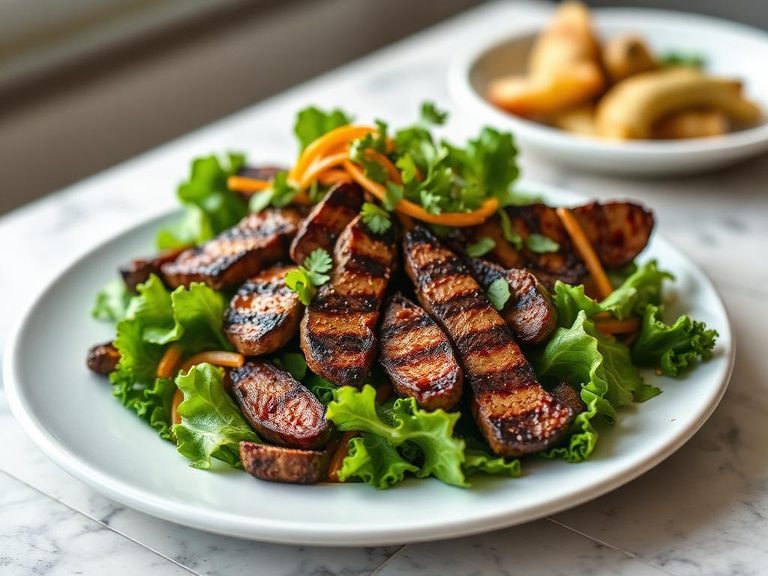
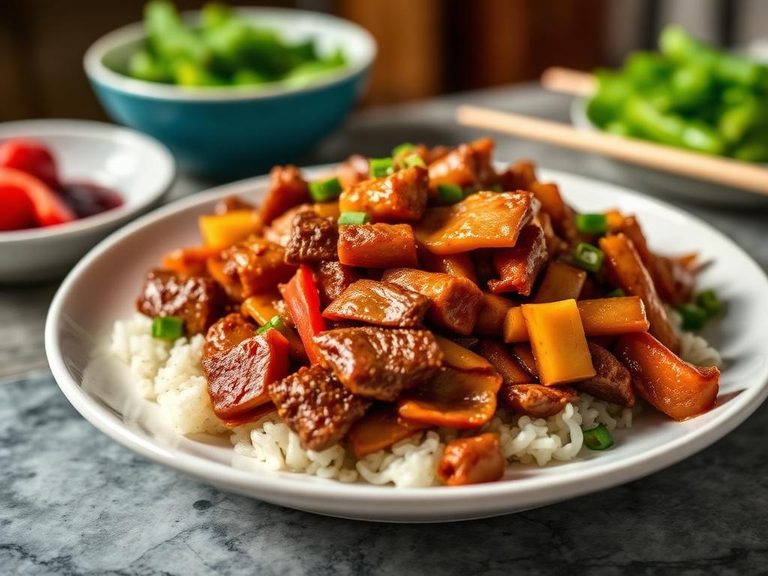
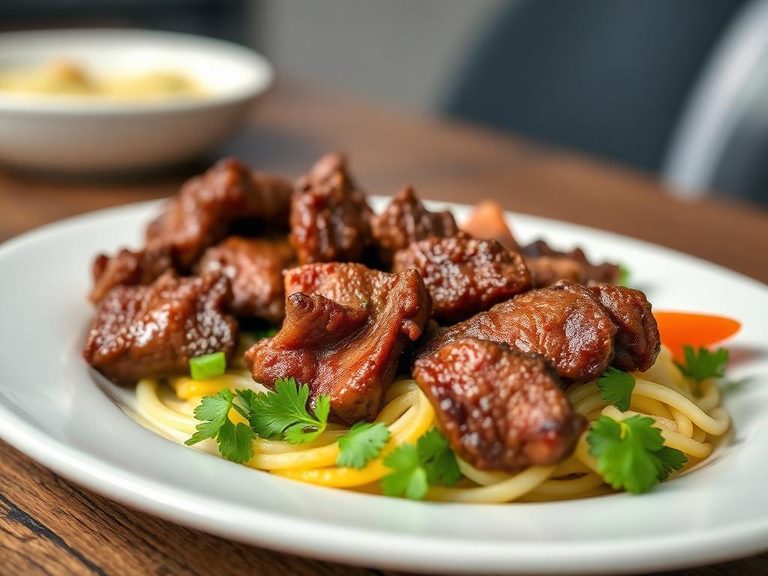
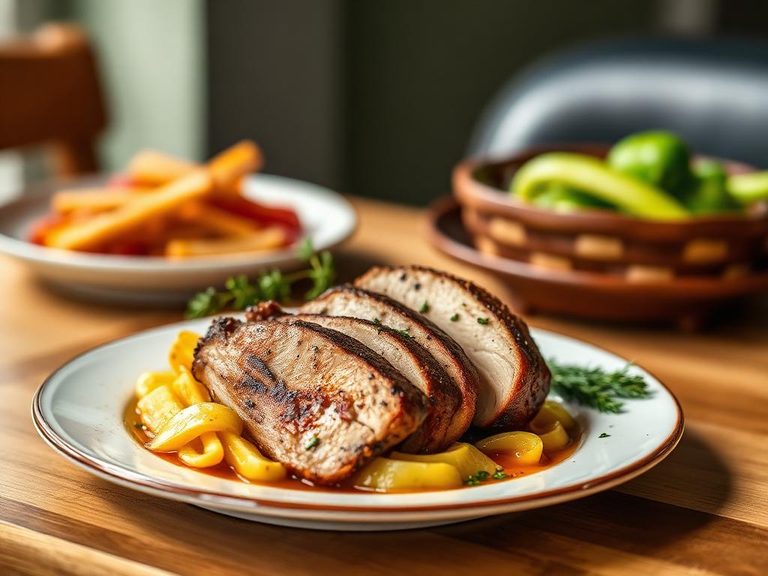
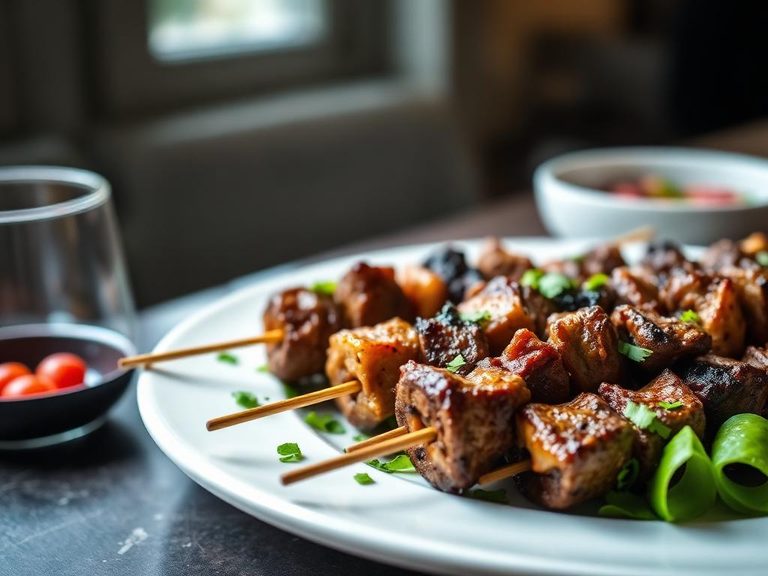
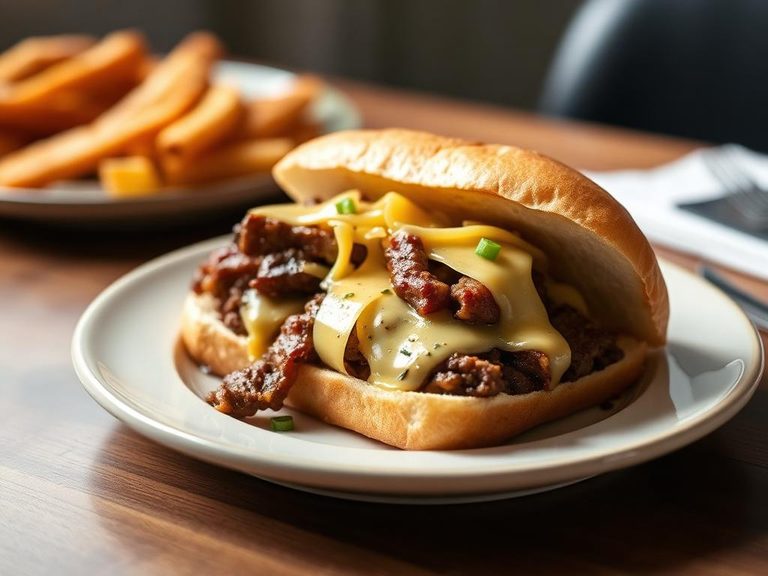
🌍 Where it's eaten
💡 Did you know?
The 'knuckle' or 'round tip' is actually a single muscle called the tensor fasciae latae, which is used by the cow to stabilize its hip and knee joints.
Full nutrition (USDA data · scales with serving)
| Water | 67.1 g |
| Energy | 162 kcal |
| Energy | 676 kj |
| Protein | 26.6 g |
| Total lipid (fat) | 5.3 g |
| Ash | 0.97 g |
| Carbohydrate, by difference | 0.00 g |
| Fiber, total dietary | 0.00 g |
| Total Sugars | 0.00 g |
| Calcium, Ca | 5.0 mg |
| Iron, Fe | 2.5 mg |
| Magnesium, Mg | 26.0 mg |
| Phosphorus, P | 243 mg |
| Potassium, K | 386 mg |
| Sodium, Na | 53.0 mg |
| Zinc, Zn | 7.4 mg |
| Copper, Cu | 0.09 mg |
| Manganese, Mn | 0.01 mg |
| Selenium, Se | 37.5 ug |
| Vitamin C, total ascorbic acid | 0.00 mg |
| Thiamin | 0.07 mg |
| Riboflavin | 0.23 mg |
| Niacin | 4.7 mg |
| Pantothenic acid | 0.85 mg |
| Vitamin B-6 | 0.46 mg |
| Folate, total | 10.0 ug |
| Folic acid | 0.00 ug |
| Folate, food | 10.0 ug |
| Folate, DFE | 10.0 ug |
| Choline, total | 105 mg |
| Betaine | 13.3 mg |
| Vitamin B-12 | 3.8 ug |
| Vitamin B-12, added | 0.00 ug |
| Vitamin A, RAE | 0.00 ug |
| Retinol | 0.00 ug |
| Carotene, beta | 0.00 ug |
| Carotene, alpha | 0.00 ug |
| Cryptoxanthin, beta | 0.00 ug |
| Vitamin A, IU | 0.00 iu |
| Lycopene | 0.00 ug |
| Lutein + zeaxanthin | 0.00 ug |
| Vitamin E (alpha-tocopherol) | 0.19 mg |
| Vitamin E, added | 0.00 mg |
| Tocopherol, beta | 0.00 mg |
| Tocopherol, gamma | 0.03 mg |
| Tocopherol, delta | 0.01 mg |
| Tocotrienol, alpha | 0.01 mg |
| Tocotrienol, beta | 0.00 mg |
| Tocotrienol, gamma | 0.00 mg |
| Tocotrienol, delta | 0.00 mg |
| Vitamin K (phylloquinone) | 0.20 ug |
| Vitamin K (Dihydrophylloquinone) | 0.00 ug |
| Vitamin K (Menaquinone-4) | 1.5 ug |
| Alcohol, ethyl | 0.00 g |
| Caffeine | 0.00 mg |
| Theobromine | 0.00 mg |
Fat & fatty acid profile (per 100g)
| Fatty acids, total saturated | 2.1 g |
| SFA 4:0 | 0.00 g |
| SFA 6:0 | 0.00 g |
| SFA 8:0 | 0.00 g |
| SFA 10:0 | 0.00 g |
| SFA 12:0 | 0.00 g |
| SFA 14:0 | 0.15 g |
| SFA 15:0 | 0.02 g |
| SFA 16:0 | 1.2 g |
| SFA 17:0 | 0.05 g |
| SFA 18:0 | 0.59 g |
| SFA 20:0 | 0.00 g |
| SFA 22:0 | 0.02 g |
| Fatty acids, total monounsaturated | 2.2 g |
| MUFA 14:1 | 0.04 g |
| MUFA 15:1 | 0.00 g |
| MUFA 16:1 | 0.16 g |
| MUFA 17:1 | 0.00 g |
| MUFA 18:1 | 2.0 g |
| MUFA 18:1 c | 1.8 g |
| MUFA 20:1 | 0.00 g |
| Fatty acids, total polyunsaturated | 0.34 g |
| PUFA 18:2 | 0.28 g |
| PUFA 18:2 n-6 c,c | 0.23 g |
| PUFA 18:3 | 0.01 g |
| PUFA 18:3 n-3 c,c,c (ALA) | 0.01 g |
| PUFA 18:3 n-6 c,c,c | 0.00 g |
| PUFA 18:4 | 0.00 g |
| PUFA 20:2 n-6 c,c | 0.00 g |
| PUFA 20:3 | 0.00 g |
| PUFA 20:4 | 0.05 g |
| Fatty acids, total trans | 0.21 g |
| Fatty acids, total trans-monoenoic | 0.17 g |
| TFA 18:1 t | 0.17 g |
| TFA 18:2 t,t | 0.04 g |
| Fatty acids, total trans-polyenoic | 0.04 g |
| Cholesterol | 74.0 mg |
Amino acid profile (per 100g)
| Tryptophan | 0.17 g |
| Threonine | 1.1 g |
| Isoleucine | 1.2 g |
| Leucine | 2.1 g |
| Lysine | 2.2 g |
| Methionine | 0.69 g |
| Cystine | 0.34 g |
| Phenylalanine | 1.1 g |
| Tyrosine | 0.85 g |
| Valine | 1.3 g |
| Arginine | 1.7 g |
| Histidine | 0.85 g |
| Alanine | 1.6 g |
| Aspartic acid | 2.4 g |
| Glutamic acid | 4.0 g |
| Glycine | 1.6 g |
| Proline | 1.3 g |
| Serine | 1.0 g |
| Hydroxyproline | 0.28 g |
FAQ
How is this cut different from sirloin or tenderloin?
It's leaner and more economical than sirloin, and firmer than the ultra-tender filet mignon. It offers a great balance of tenderness, flavor, and value.
What's the best way to cook it to prevent toughness?
High-heat, fast cooking methods like grilling or broiling are ideal. Aim for an internal temperature of 130-135°F (54-57°C) for medium-rare, and always let the meat rest for 5-10 minutes after cooking.
Can I use this cut for slow cooking or stews?
It's not the best choice for slow cooking as it lacks the connective tissue that breaks down into gelatin. It's best for dry-heat methods. For stews, choose cuts like chuck or brisket.
Nutrient density (calculated · NRF9.3)
Nutrient Rich Foods index: beneficial nutrients (protein, fiber, vitamins, minerals) minus saturated fat, added sugar & sodium, per 100 kcal.
NRF9.3 index — Fulgoni, Keast & Drewnowski, 2009. Computed from USDA nutrients.
Weight-loss friendliness (composite index)
Energy density 1.62 kcal/g · 66% calories from protein · 0.0 g fiber · 0.0 g sugar per 100 g.
Composite of energy density (Rolls et al., 1999), protein & fiber satiety, minus sugar. A calculated heuristic — ranks satiety-per-calorie, not a clinical measure.
Dietary load (calculated from USDA values)
Potential renal acid load. Positive = acid-forming, negative = alkaline-forming.
Sodium-to-potassium ratio: 0.14 (lower is better — aim for ≤ 1)
Sodium:potassium per WHO potassium guidance. Computed from USDA nutrients.