

Beef, plate steak, boneless, outside skirt, separable lean only, trimmed to 0" fat, select, raw
Whole food · Beef Products

Photo: Wikipedia
Outside skirt steak is a long, flat, deeply marbled cut from the plate primal, prized for its intense beefy flavor and loose, tender grain when sliced correctly. Its near-zero carb content and high protein make it a powerhouse for low-carb and ketogenic diets, while its robust flavor stands up beautifully to bold marinades and high-heat cooking.
Calorie split: 39% protein · 0% carbs · 61% fat
↓ Full nutrition💚 Why it's loved
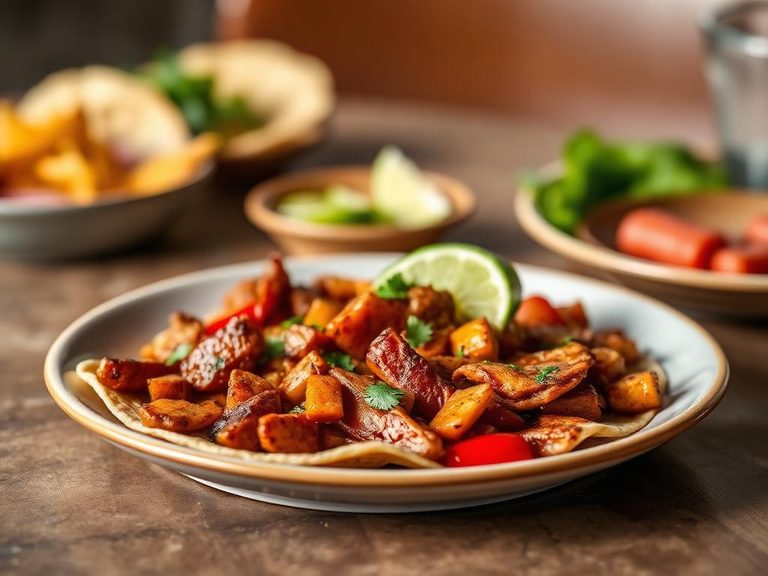
People adore outside skirt for its unparalleled, meaty savoriness and the satisfying contrast between a crispy, charred exterior and a juicy, tender interior. It's the star of iconic dishes like fajitas and carne asada, celebrated for its ability to absorb marinades and deliver a bold, smoky flavor.
⚠️ Watch-outs & how to enjoy it better
As a very lean cut (0.23g fat per 100g), it can become tough and chewy if overcooked or sliced incorrectly against the grain. It is also a red meat, which some dietary guidelines recommend limiting; to counteract this, pair it with fiber-rich vegetables and use it as part of a varied protein rotation.
Key benefits
- Excellent source of complete, high-quality protein for muscle maintenance.
- Naturally very low in carbohydrates and sugars, ideal for blood sugar management.
- Rich in heme iron, which is highly bioavailable for preventing iron deficiency.
- Provides significant zinc, crucial for immune function and wound healing.
- Contains B vitamins like B12 and niacin, essential for energy metabolism.
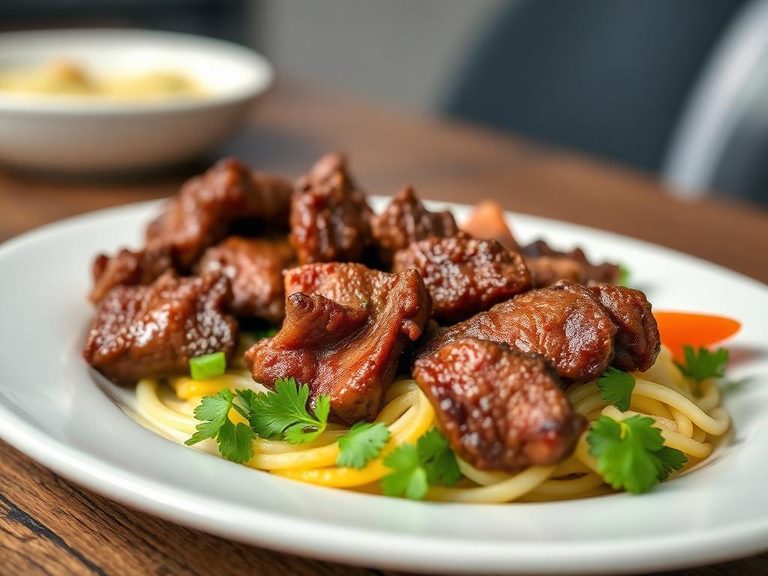
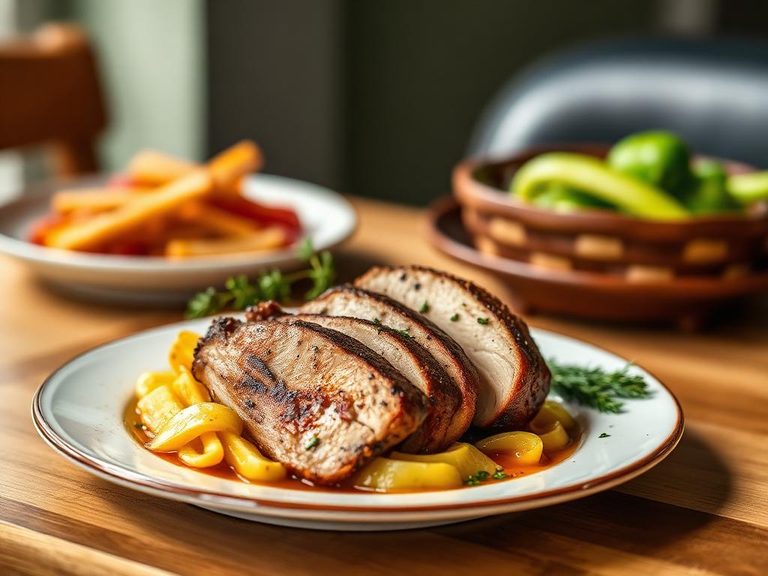
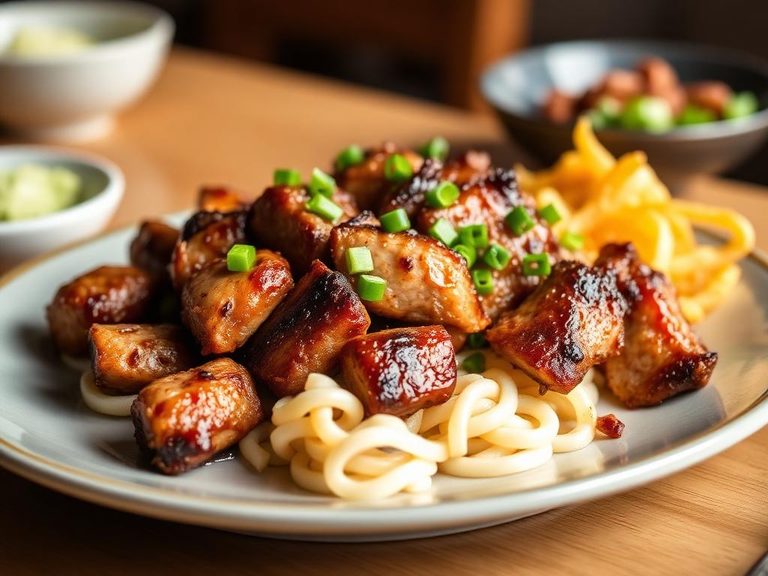
🍽️ Popular dishes
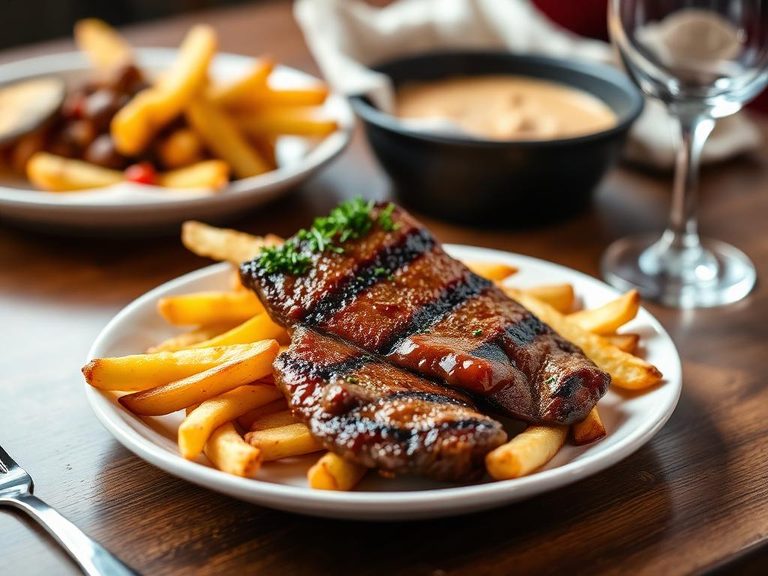
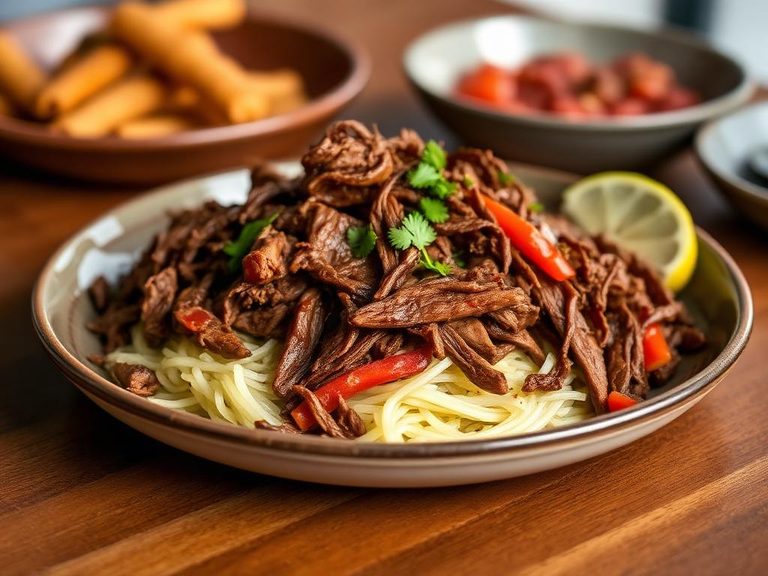
🌍 Where it's eaten
💡 Did you know?
The outside skirt steak is the diaphragm muscle, and its long, loose fibers are why slicing it thinly *against* the grain is non-negotiable for tenderness—a technique that physically shortens the muscle fibers in each bite.
Full nutrition (USDA data · scales with serving)
| Water | 66.2 g |
| Energy | 198 kcal |
| Energy | 830 kj |
| Protein | 19.1 g |
| Total lipid (fat) | 13.4 g |
| Ash | 0.97 g |
| Carbohydrate, by difference | 0.23 g |
| Fiber, total dietary | 0.00 g |
| Total Sugars | 0.00 g |
| Calcium, Ca | 6.0 mg |
| Iron, Fe | 3.8 mg |
| Magnesium, Mg | 21.0 mg |
| Phosphorus, P | 153 mg |
| Potassium, K | 260 mg |
| Sodium, Na | 65.0 mg |
| Zinc, Zn | 5.4 mg |
| Copper, Cu | 0.17 mg |
| Manganese, Mn | 0.17 mg |
| Selenium, Se | 24.0 ug |
| Vitamin C, total ascorbic acid | 0.00 mg |
| Thiamin | 0.11 mg |
| Riboflavin | 0.57 mg |
| Niacin | 4.3 mg |
| Pantothenic acid | 1.1 mg |
| Vitamin B-6 | 0.42 mg |
| Folate, total | 3.0 ug |
| Folic acid | 0.00 ug |
| Folate, food | 3.0 ug |
| Folate, DFE | 3.0 ug |
| Choline, total | 59.5 mg |
| Betaine | 12.4 mg |
| Vitamin B-12 | 5.2 ug |
| Vitamin B-12, added | 0.00 ug |
| Vitamin A, RAE | 3.0 ug |
| Retinol | 3.0 ug |
| Carotene, beta | 0.00 ug |
| Carotene, alpha | 0.00 ug |
| Cryptoxanthin, beta | 0.00 ug |
| Vitamin A, IU | 9.0 iu |
| Lycopene | 0.00 ug |
| Lutein + zeaxanthin | 0.00 ug |
| Vitamin E (alpha-tocopherol) | 0.12 mg |
| Vitamin E, added | 0.00 mg |
| Vitamin D (D2 + D3), International Units | 6.0 iu |
| Vitamin D (D2 + D3) | 0.20 ug |
| Vitamin D3 (cholecalciferol) | 0.20 ug |
| Vitamin K (phylloquinone) | 1.5 ug |
| Alcohol, ethyl | 0.00 g |
| Caffeine | 0.00 mg |
| Theobromine | 0.00 mg |
Fat & fatty acid profile (per 100g)
| Fatty acids, total saturated | 5.3 g |
| SFA 4:0 | 0.00 g |
| SFA 6:0 | 0.00 g |
| SFA 8:0 | 0.00 g |
| SFA 10:0 | 0.01 g |
| SFA 12:0 | 0.01 g |
| SFA 14:0 | 0.32 g |
| SFA 15:0 | 0.05 g |
| SFA 16:0 | 2.7 g |
| SFA 17:0 | 0.16 g |
| SFA 18:0 | 2.0 g |
| SFA 20:0 | 0.01 g |
| SFA 24:0 | 0.01 g |
| Fatty acids, total monounsaturated | 5.7 g |
| MUFA 14:1 | 0.06 g |
| MUFA 15:1 | 0.06 g |
| MUFA 16:1 | 0.31 g |
| MUFA 16:1 c | 0.31 g |
| MUFA 17:1 | 0.10 g |
| MUFA 18:1 | 5.1 g |
| MUFA 18:1 c | 4.4 g |
| MUFA 20:1 | 0.02 g |
| MUFA 22:1 | 0.00 g |
| Fatty acids, total polyunsaturated | 0.72 g |
| PUFA 18:2 | 0.58 g |
| PUFA 18:2 n-6 c,c | 0.52 g |
| PUFA 18:2 CLAs | 0.05 g |
| PUFA 18:3 | 0.02 g |
| PUFA 18:3 n-3 c,c,c (ALA) | 0.02 g |
| PUFA 18:4 | 0.00 g |
| PUFA 20:2 n-6 c,c | 0.00 g |
| PUFA 20:3 | 0.02 g |
| PUFA 20:3 n-6 | 0.02 g |
| PUFA 20:4 | 0.07 g |
| PUFA 20:5 n-3 (EPA) | 0.00 g |
| PUFA 22:5 n-3 (DPA) | 0.01 g |
| PUFA 22:6 n-3 (DHA) | 0.00 g |
| Fatty acids, total trans | 0.71 g |
| Fatty acids, total trans-monoenoic | 0.69 g |
| TFA 16:1 t | 0.00 g |
| TFA 18:1 t | 0.69 g |
| TFA 18:2 t not further defined | 0.01 g |
| Fatty acids, total trans-polyenoic | 0.01 g |
| Cholesterol | 69.0 mg |
Amino acid profile (per 100g)
| Tryptophan | 0.25 g |
| Threonine | 1.1 g |
| Isoleucine | 1.1 g |
| Leucine | 2.0 g |
| Lysine | 2.2 g |
| Methionine | 0.60 g |
| Cystine | 0.23 g |
| Phenylalanine | 0.90 g |
| Tyrosine | 0.85 g |
| Valine | 1.1 g |
| Arginine | 1.5 g |
| Histidine | 0.86 g |
| Alanine | 1.4 g |
| Aspartic acid | 2.2 g |
| Glutamic acid | 3.7 g |
| Glycine | 0.98 g |
| Proline | 0.97 g |
| Serine | 0.93 g |
| Hydroxyproline | 0.10 g |
FAQ
What's the best way to cook outside skirt steak?
Use high, dry heat: grill, broil, or pan-sear it quickly to medium-rare. Marinating for 30 minutes to 2 hours can add flavor and help tenderize. Always let it rest for 5-10 minutes before slicing.
Why is my skirt steak tough?
The most common reasons are overcooking (it's best at medium-rare, 130-135°F) or slicing with the grain. Always slice thinly *against* the grain to shorten the long muscle fibers.
Is skirt steak the same as flank steak?
No, they are different cuts from adjacent areas. Skirt steak (from the diaphragm) has a looser grain and more intense flavor. Flank steak (from the abdominal muscle) is leaner with a tighter grain. Both are great for grilling and slicing against the grain.
Nutrient density (calculated · NRF9.3)
Nutrient Rich Foods index: beneficial nutrients (protein, fiber, vitamins, minerals) minus saturated fat, added sugar & sodium, per 100 kcal.
NRF9.3 index — Fulgoni, Keast & Drewnowski, 2009. Computed from USDA nutrients.
Weight-loss friendliness (composite index)
Energy density 1.98 kcal/g · 39% calories from protein · 0.0 g fiber · 0.0 g sugar per 100 g.
Composite of energy density (Rolls et al., 1999), protein & fiber satiety, minus sugar. A calculated heuristic — ranks satiety-per-calorie, not a clinical measure.
Dietary load (calculated from USDA values)
Potential renal acid load. Positive = acid-forming, negative = alkaline-forming.
Sodium-to-potassium ratio: 0.25 (lower is better — aim for ≤ 1)
Sodium:potassium per WHO potassium guidance. Computed from USDA nutrients.