

Bulgogi
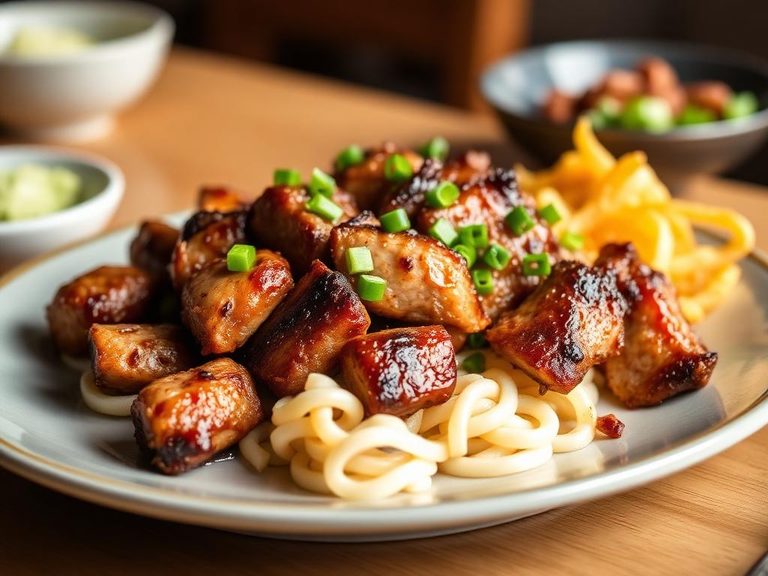
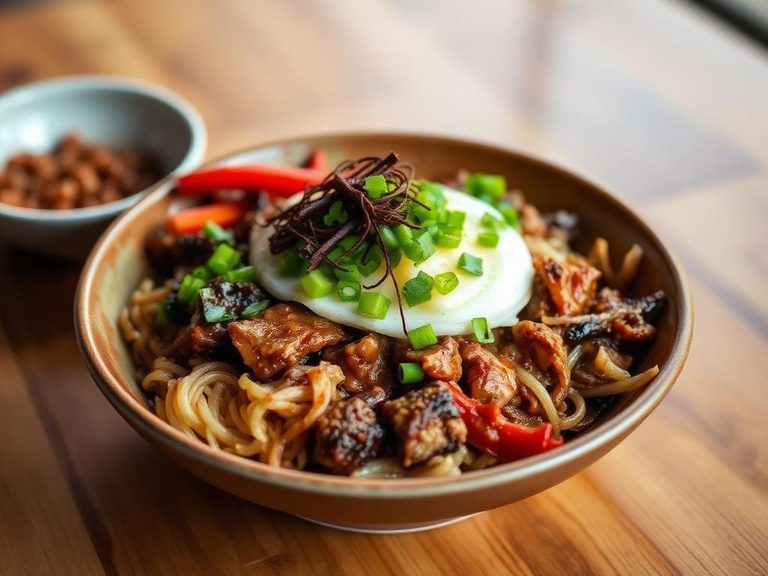
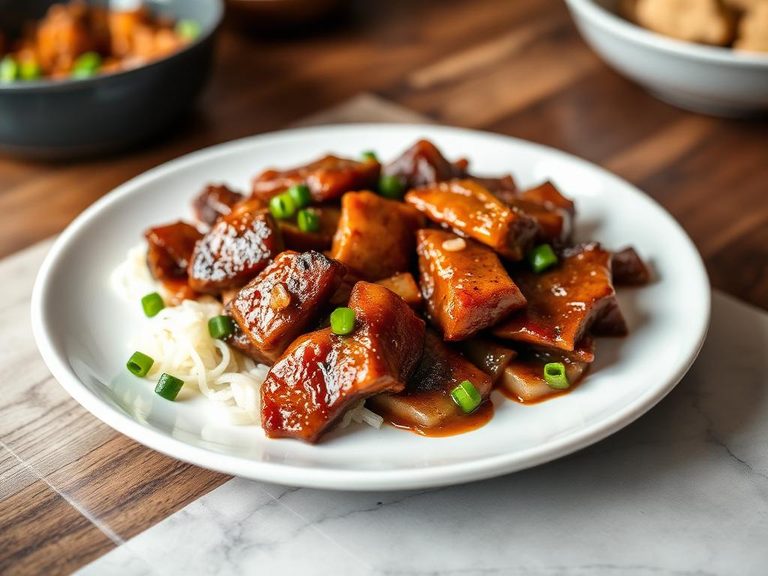
Bulgogi, meaning 'fire meat' in Korean, is a beloved dish of thinly sliced pork (or beef) marinated in a sweet and savory sauce before being grilled or pan-fried. The marinade typically features soy sauce, sugar, sesame oil, garlic, and often pear or apple for tenderizing and sweetness. It originates from Korea and is a staple of Korean BBQ cuisine, enjoyed both at home and in restaurants worldwide.
🍳 View the full Bulgogi recipe →
🍽️ Nutrition at a glance
Bulgogi is a high-protein dish due to its meat base, with moderate fat content depending on the cut of pork used. It provides key nutrients like iron, zinc, and B vitamins from the meat, along with some antioxidants from the garlic and sesame. A typical serving (about 4 ounces of cooked meat) contains roughly 250-350 calories, with the marinade adding some sugar and sodium.
Nutrition breakdown
| Calories | 390 kcal |
| Protein | 25 g |
| Carbs | 18 g |
| Fat | 24 g |
| Fiber | 1 g |
| Sugar | 14 g |
| Sodium | 850 mg |
| Iron | 3.5 mg |
| Zinc | 4.0 mg |
| Potassium | 450 mg |
| Phosphorus | 220 mg |
| Niacin (B3) | 6.0 mg |
| Vitamin B6 | 0.5 mg |
| Vitamin B12 | 1.2 mcg |
| Selenium | 25 mcg |
Per 1 cup (175 g) · estimated, varies by recipe
💡 What's interesting
Culturally, bulgogi is a social dish often cooked at the table, fostering communal dining and interaction. Nutritionally, the use of fruit in the marinade not only tenderizes the meat but also adds natural enzymes and a subtle sweetness that reduces the need for excessive added sugars.
🍽️ Related dishes


AI estimate may be inaccurate · Terms