

Soy sauce
Common food
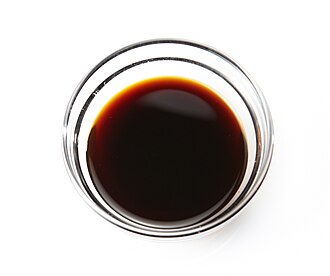
Photo: Wikipedia
Soy sauce is a dark, savory, and salty liquid condiment made from fermented soybeans, wheat, water, and salt. Its complex, umami-rich flavor profile is the result of months or even years of microbial fermentation, which breaks down proteins into savory amino acids. While it's low in calories and fat, it's a significant source of sodium and provides a small amount of plant-based protein.
Calorie split: 57% protein · 34% carbs · 9% fat
↓ Full nutrition💚 Why it's loved
People love soy sauce for its unparalleled ability to add deep, savory umami and a rich, dark color to dishes. Its versatility makes it a foundational ingredient in marinades, stir-fries, dipping sauces, and even some Western recipes.
⚠️ Watch-outs & how to enjoy it better
The primary downside is its very high sodium content, which can contribute to high blood pressure if consumed excessively. Those monitoring sodium intake should look for 'low-sodium' varieties or use it sparingly. As it's derived from soy and wheat, it is a common allergen for some individuals. Tip: Balance its saltiness by pairing it with acidic ingredients like vinegar or citrus, and use it as a finishing touch rather than a primary cooking liquid to control portions.
Key benefits
- Rich in umami, enhancing flavor without added fat
- Contains antioxidants from fermentation
- Provides a small amount of plant-based protein
- Low in calories and fat per serving
- A staple for reducing reliance on salt alone in cooking
🍽️ Popular dishes
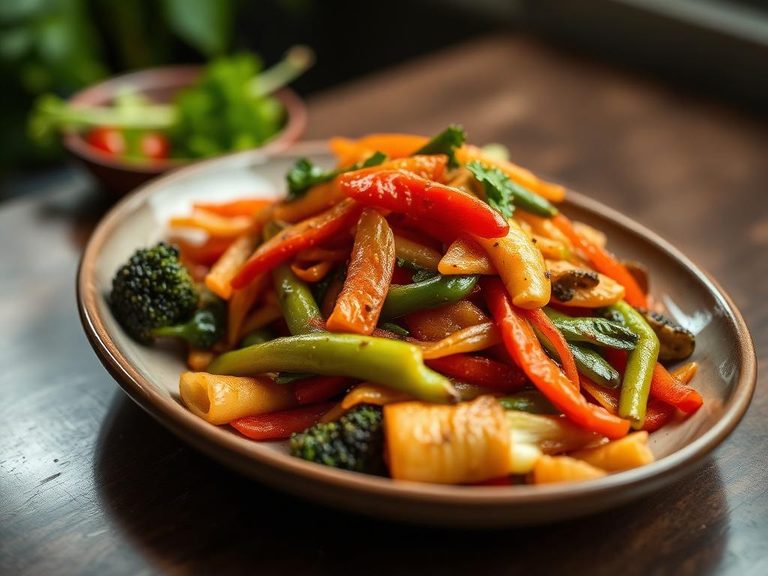
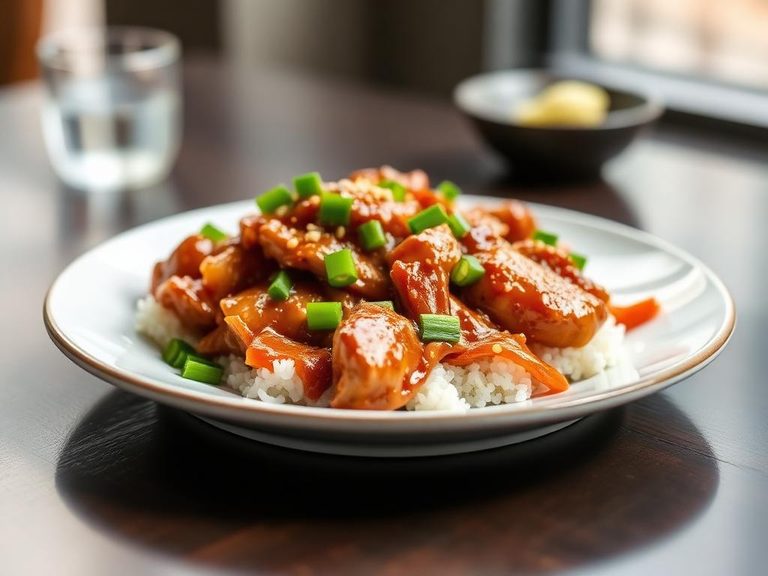
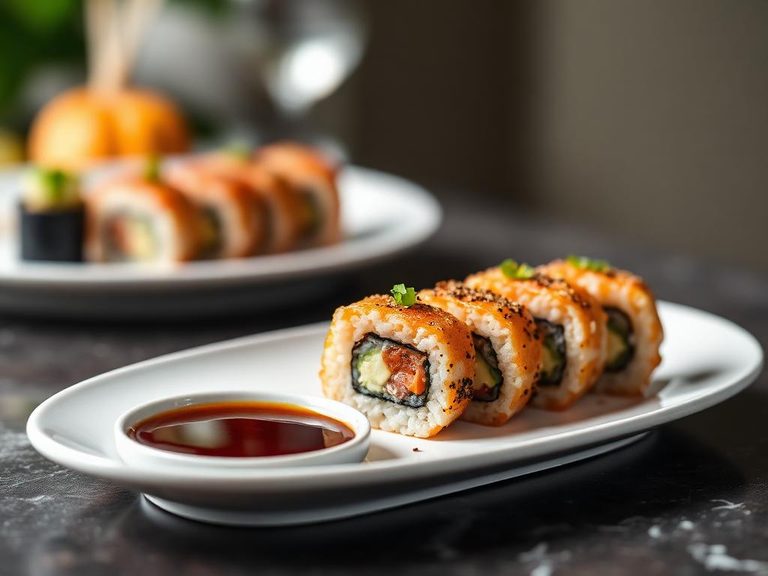
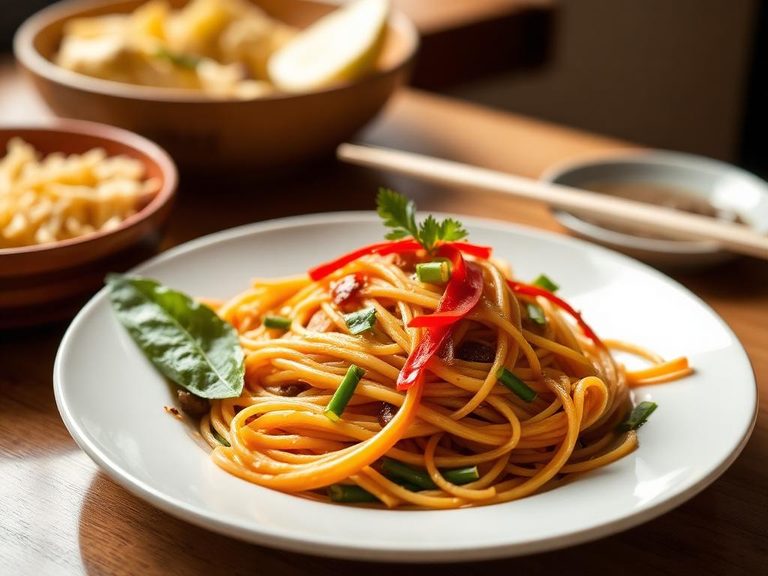
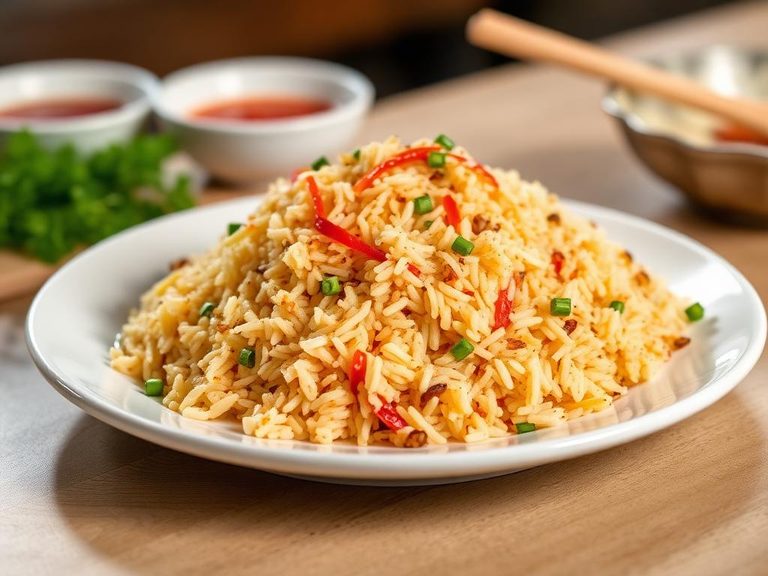
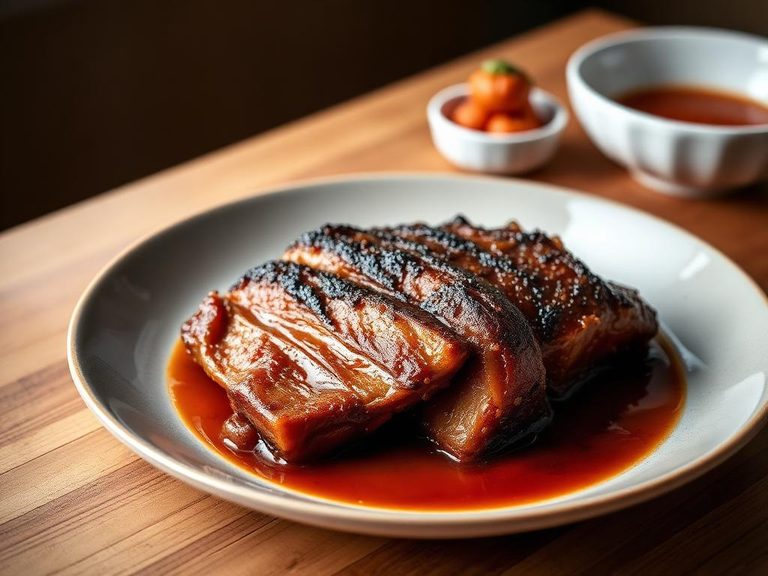
🌍 Where it's eaten
💡 Did you know?
The word 'ketchup' is believed to have originated from the Hokkien Chinese term 'kê-tsiap,' a fermented fish sauce that was a precursor to modern soy-based condiments.
Full nutrition (USDA data · scales with serving)
| Water | 71.2 g |
| Energy | 53.0 kcal |
| Protein | 8.1 g |
| Total lipid (fat) | 0.57 g |
| Carbohydrate, by difference | 4.9 g |
| Fiber, total dietary | 0.80 g |
| Total Sugars | 0.40 g |
| Calcium, Ca | 33.0 mg |
| Iron, Fe | 1.4 mg |
| Magnesium, Mg | 74.0 mg |
| Phosphorus, P | 166 mg |
| Potassium, K | 435 mg |
| Sodium, Na | 5493 mg |
| Zinc, Zn | 0.87 mg |
| Copper, Cu | 0.04 mg |
| Selenium, Se | 0.50 ug |
| Vitamin C, total ascorbic acid | 0.00 mg |
| Thiamin | 0.03 mg |
| Riboflavin | 0.17 mg |
| Niacin | 2.2 mg |
| Vitamin B-6 | 0.15 mg |
| Folate, total | 14.0 ug |
| Folic acid | 0.00 ug |
| Folate, food | 14.0 ug |
| Folate, DFE | 14.0 ug |
| Choline, total | 18.3 mg |
| Vitamin B-12 | 0.00 ug |
| Vitamin B-12, added | 0.00 ug |
| Vitamin A, RAE | 0.00 ug |
| Retinol | 0.00 ug |
| Carotene, beta | 0.00 ug |
| Carotene, alpha | 0.00 ug |
| Cryptoxanthin, beta | 0.00 ug |
| Lycopene | 0.00 ug |
| Lutein + zeaxanthin | 0.00 ug |
| Vitamin E (alpha-tocopherol) | 0.00 mg |
| Vitamin E, added | 0.00 mg |
| Vitamin D (D2 + D3) | 0.00 ug |
| Vitamin K (phylloquinone) | 0.00 ug |
| Alcohol, ethyl | 0.00 g |
| Caffeine | 0.00 mg |
| Theobromine | 0.00 mg |
Fat & fatty acid profile (per 100g)
| Fatty acids, total saturated | 0.07 g |
| SFA 4:0 | 0.00 g |
| SFA 6:0 | 0.00 g |
| SFA 8:0 | 0.00 g |
| SFA 10:0 | 0.00 g |
| SFA 12:0 | 0.00 g |
| SFA 14:0 | 0.00 g |
| SFA 16:0 | 0.06 g |
| SFA 18:0 | 0.01 g |
| Fatty acids, total monounsaturated | 0.09 g |
| MUFA 16:1 | 0.00 g |
| MUFA 18:1 | 0.08 g |
| MUFA 20:1 | 0.00 g |
| MUFA 22:1 | 0.00 g |
| Fatty acids, total polyunsaturated | 0.26 g |
| PUFA 18:2 | 0.23 g |
| PUFA 18:3 | 0.03 g |
| PUFA 18:4 | 0.00 g |
| PUFA 20:4 | 0.00 g |
| PUFA 20:5 n-3 (EPA) | 0.00 g |
| PUFA 22:5 n-3 (DPA) | 0.00 g |
| PUFA 22:6 n-3 (DHA) | 0.00 g |
| Cholesterol | 0.00 mg |
Amino acid profile (per 100g)
Estimated from Soy sauce made from soy and wheat (shoyu), low sodium — USDA does not publish this profile for Soy sauce.
| Tryptophan | 0.00 g |
| Threonine | 0.38 g |
| Isoleucine | 0.41 g |
| Leucine | 0.59 g |
| Lysine | 0.34 g |
| Methionine | 0.09 g |
| Cystine | 0.00 g |
| Phenylalanine | 0.34 g |
| Tyrosine | 0.09 g |
| Valine | 0.43 g |
| Arginine | 0.49 g |
| Histidine | 0.17 g |
| Alanine | 0.65 g |
| Aspartic acid | 0.46 g |
| Glutamic acid | 1.7 g |
| Glycine | 0.33 g |
| Proline | 0.60 g |
| Serine | 0.48 g |
| Hydroxyproline | 0.00 g |
FAQ
What is the difference between light and dark soy sauce?
Light soy sauce is thinner, saltier, and used for seasoning and dipping. Dark soy sauce is thicker, less salty, slightly sweet, and used primarily for adding color to dishes.
Is soy sauce gluten-free?
Traditional soy sauce is brewed with wheat and is not gluten-free. However, tamari is a Japanese soy sauce often made with little to no wheat, and there are specific gluten-free soy sauce alternatives available.
How should I store soy sauce?
Store it in a cool, dark place like a pantry. While refrigeration isn't necessary, it can help preserve the flavor and color for longer, especially after opening.
Nutrient density (calculated · NRF9.3)
Nutrient Rich Foods index: beneficial nutrients (protein, fiber, vitamins, minerals) minus saturated fat, added sugar & sodium, per 100 kcal.
NRF9.3 index — Fulgoni, Keast & Drewnowski, 2009. Computed from USDA nutrients.
Weight-loss friendliness (composite index)
Energy density 0.53 kcal/g · 61% calories from protein · 0.8 g fiber · 0.4 g sugar per 100 g.
Composite of energy density (Rolls et al., 1999), protein & fiber satiety, minus sugar. A calculated heuristic — ranks satiety-per-calorie, not a clinical measure.
Dietary load (calculated from USDA values)
Potential renal acid load. Positive = acid-forming, negative = alkaline-forming.
Sodium-to-potassium ratio: 12.63 (lower is better — aim for ≤ 1)
Sodium:potassium per WHO potassium guidance. Computed from USDA nutrients.