

Soy sauce made from soy and wheat (shoyu)
Whole food · Legumes and Legume Products
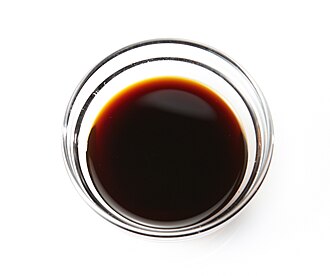
Photo: Wikipedia
Shoyu is the foundational Japanese soy sauce, brewed from fermented soybeans and roasted wheat to create a deep, reddish-brown liquid with a complex, savory-salty umami profile. Its thin, watery texture belies a rich, layered flavor that is simultaneously salty, slightly sweet, and profoundly savory. Nutritionally, it's a low-calorie, high-protein condiment, delivering a significant 8.14g of protein per 100g, though its sodium content is its most defining nutritional characteristic.
Calorie split: 57% protein · 34% carbs · 9% fat
↓ Full nutrition💚 Why it's loved
People love shoyu for its unparalleled ability to add a deep, savory 'fifth taste' (umami) that makes dishes more satisfying and complex. Its incredible versatility as a seasoning, marinade, and dipping sauce makes it a cornerstone of East Asian cooking and a beloved global pantry staple.
⚠️ Watch-outs & how to enjoy it better
The primary downside is its very high sodium content, which can contribute to high blood pressure if used excessively. It is also a common allergen due to its wheat and soy content. To counteract this, practice strict portion control (a teaspoon or less per serving), pair it with potassium-rich foods like leafy greens or bananas to help balance sodium, and explore low-sodium shoyu varieties for everyday cooking.
Key benefits
- Rich source of plant-based protein (8.14g per 100g).
- Adds deep umami flavor with minimal calories (53 kcal per 100g).
- Contains antioxidants from the fermentation process.
- Enhances the flavor of other nutrient-dense foods like vegetables and lean proteins.
🍽️ Popular dishes
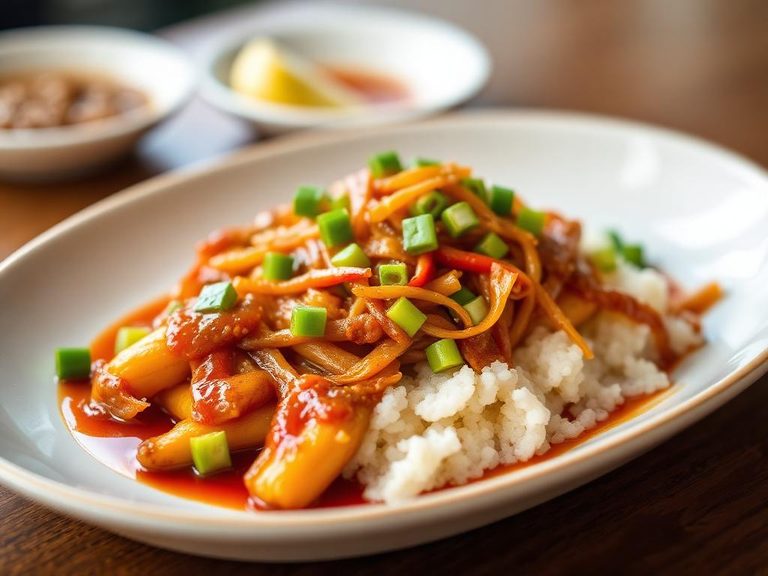
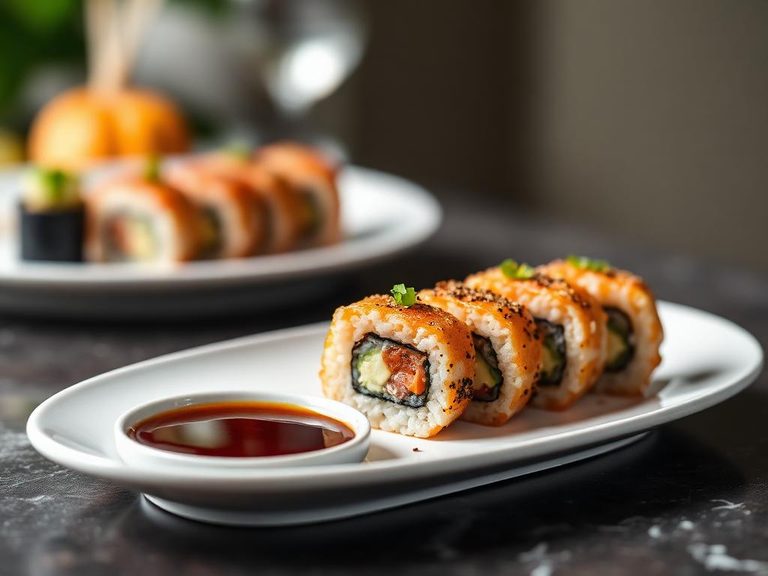
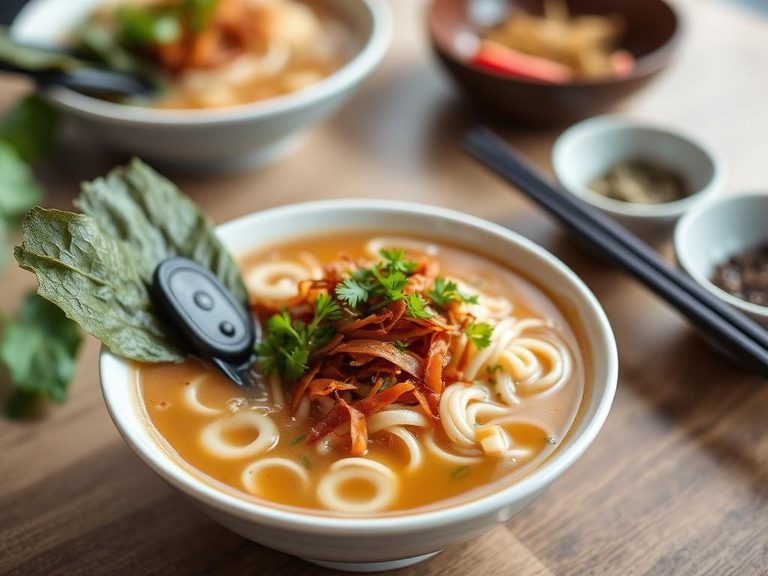
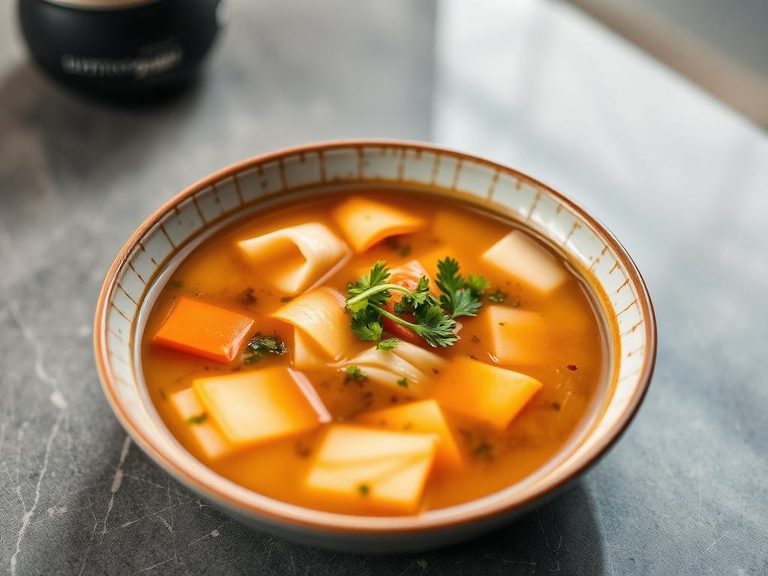
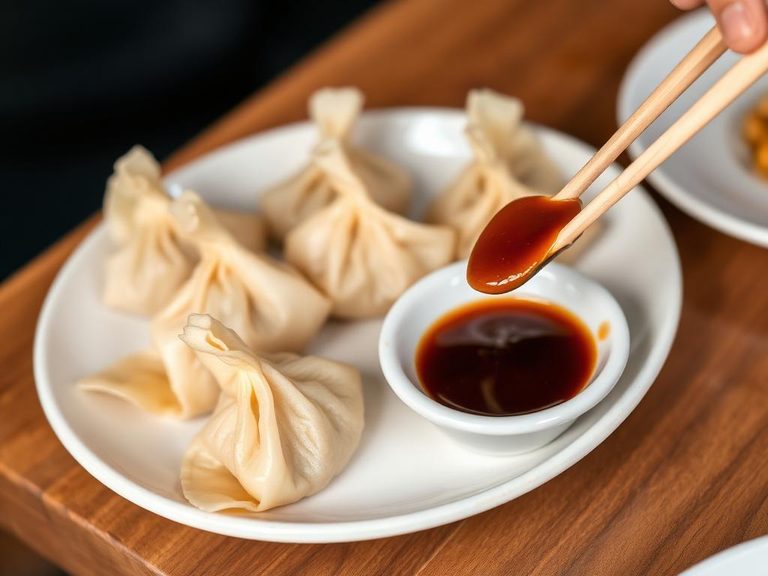
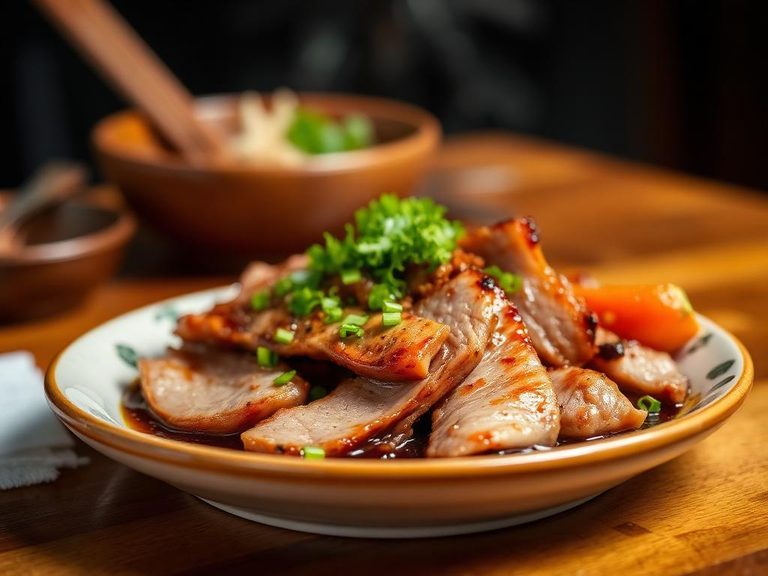
🌍 Where it's eaten
💡 Did you know?
The wheat in shoyu isn't just for flavor; its starches fuel the fermentation microbes, and the toasting of the wheat before brewing is what gives shoyu its characteristic reddish-brown color and a subtle, nutty aroma distinct from purely soy-based sauces.
Full nutrition (USDA data · scales with serving)
| Water | 71.2 g |
| Energy | 53.0 kcal |
| Energy | 222 kj |
| Protein | 8.1 g |
| Total lipid (fat) | 0.57 g |
| Ash | 15.2 g |
| Carbohydrate, by difference | 4.9 g |
| Fiber, total dietary | 0.80 g |
| Total Sugars | 0.40 g |
| Sucrose | 0.10 g |
| Glucose | 0.30 g |
| Fructose | 0.00 g |
| Lactose | 0.00 g |
| Maltose | 0.00 g |
| Galactose | 0.00 g |
| Calcium, Ca | 33.0 mg |
| Iron, Fe | 1.4 mg |
| Magnesium, Mg | 74.0 mg |
| Phosphorus, P | 166 mg |
| Potassium, K | 435 mg |
| Sodium, Na | 5493 mg |
| Zinc, Zn | 0.87 mg |
| Copper, Cu | 0.04 mg |
| Manganese, Mn | 1.0 mg |
| Selenium, Se | 0.50 ug |
| Vitamin C, total ascorbic acid | 0.00 mg |
| Thiamin | 0.03 mg |
| Riboflavin | 0.17 mg |
| Niacin | 2.2 mg |
| Pantothenic acid | 0.30 mg |
| Vitamin B-6 | 0.15 mg |
| Folate, total | 14.0 ug |
| Folic acid | 0.00 ug |
| Folate, food | 14.0 ug |
| Folate, DFE | 14.0 ug |
| Choline, total | 18.3 mg |
| Betaine | 29.8 mg |
| Vitamin B-12 | 0.00 ug |
| Vitamin B-12, added | 0.00 ug |
| Vitamin A, RAE | 0.00 ug |
| Retinol | 0.00 ug |
| Carotene, beta | 0.00 ug |
| Carotene, alpha | 0.00 ug |
| Cryptoxanthin, beta | 0.00 ug |
| Vitamin A, IU | 0.00 iu |
| Lycopene | 0.00 ug |
| Lutein + zeaxanthin | 0.00 ug |
| Vitamin E (alpha-tocopherol) | 0.00 mg |
| Vitamin E, added | 0.00 mg |
| Vitamin D (D2 + D3), International Units | 0.00 iu |
| Vitamin D (D2 + D3) | 0.00 ug |
| Vitamin K (phylloquinone) | 0.00 ug |
| Alcohol, ethyl | 0.00 g |
| Caffeine | 0.00 mg |
| Theobromine | 0.00 mg |
Fat & fatty acid profile (per 100g)
| Fatty acids, total saturated | 0.07 g |
| SFA 4:0 | 0.00 g |
| SFA 6:0 | 0.00 g |
| SFA 8:0 | 0.00 g |
| SFA 10:0 | 0.00 g |
| SFA 12:0 | 0.00 g |
| SFA 14:0 | 0.00 g |
| SFA 16:0 | 0.06 g |
| SFA 18:0 | 0.01 g |
| Fatty acids, total monounsaturated | 0.09 g |
| MUFA 16:1 | 0.00 g |
| MUFA 18:1 | 0.08 g |
| MUFA 20:1 | 0.00 g |
| MUFA 22:1 | 0.00 g |
| Fatty acids, total polyunsaturated | 0.26 g |
| PUFA 18:2 | 0.23 g |
| PUFA 18:3 | 0.03 g |
| PUFA 18:4 | 0.00 g |
| PUFA 20:4 | 0.00 g |
| PUFA 20:5 n-3 (EPA) | 0.00 g |
| PUFA 22:5 n-3 (DPA) | 0.00 g |
| PUFA 22:6 n-3 (DHA) | 0.00 g |
| Fatty acids, total trans | 0.00 g |
| Cholesterol | 0.00 mg |
Amino acid profile (per 100g)
| Tryptophan | 0.10 g |
| Threonine | 0.27 g |
| Isoleucine | 0.32 g |
| Leucine | 0.54 g |
| Lysine | 0.38 g |
| Methionine | 0.10 g |
| Cystine | 0.12 g |
| Phenylalanine | 0.35 g |
| Tyrosine | 0.24 g |
| Valine | 0.33 g |
| Arginine | 0.46 g |
| Histidine | 0.17 g |
| Alanine | 0.29 g |
| Aspartic acid | 0.72 g |
| Glutamic acid | 1.6 g |
| Glycine | 0.30 g |
| Proline | 0.49 g |
| Serine | 0.39 g |
FAQ
What's the difference between shoyu and other soy sauces?
Shoyu specifically refers to Japanese-style soy sauce brewed with both soybeans and wheat, giving it a lighter color, milder flavor, and slightly sweeter profile than Chinese soy sauces, which often use little to no wheat.
Is shoyu gluten-free?
No, traditional shoyu is not gluten-free because it is brewed with wheat. For a gluten-free alternative, look for tamari, which is typically made from soybeans only, but always check the label.
How should I store shoyu?
Store shoyu in a cool, dark place like a pantry. While refrigeration isn't strictly necessary for safety, it is recommended after opening to best preserve its delicate flavors and color over time.
Nutrient density (calculated · NRF9.3)
Nutrient Rich Foods index: beneficial nutrients (protein, fiber, vitamins, minerals) minus saturated fat, added sugar & sodium, per 100 kcal.
NRF9.3 index — Fulgoni, Keast & Drewnowski, 2009. Computed from USDA nutrients.
Weight-loss friendliness (composite index)
Energy density 0.53 kcal/g · 61% calories from protein · 0.8 g fiber · 0.4 g sugar per 100 g.
Composite of energy density (Rolls et al., 1999), protein & fiber satiety, minus sugar. A calculated heuristic — ranks satiety-per-calorie, not a clinical measure.
Dietary load (calculated from USDA values)
Potential renal acid load. Positive = acid-forming, negative = alkaline-forming.
Sodium-to-potassium ratio: 12.63 (lower is better — aim for ≤ 1)
Sodium:potassium per WHO potassium guidance. Computed from USDA nutrients.