

Korean bulgogi marinade
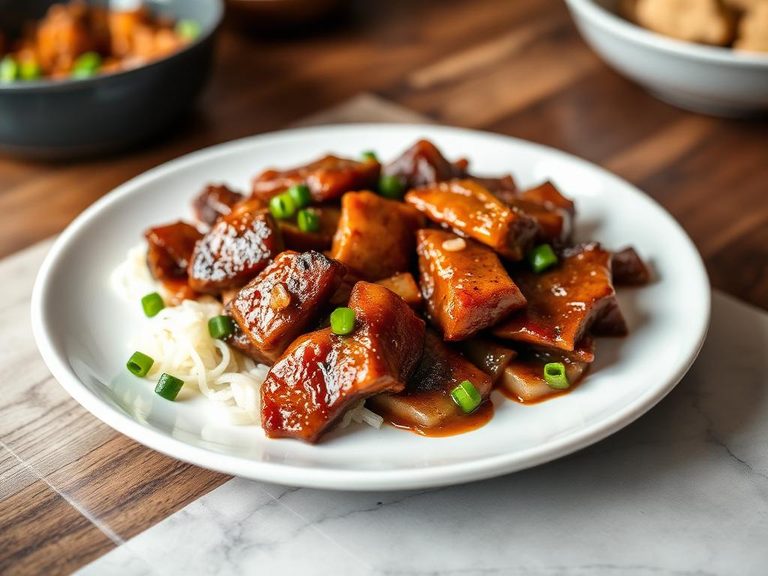
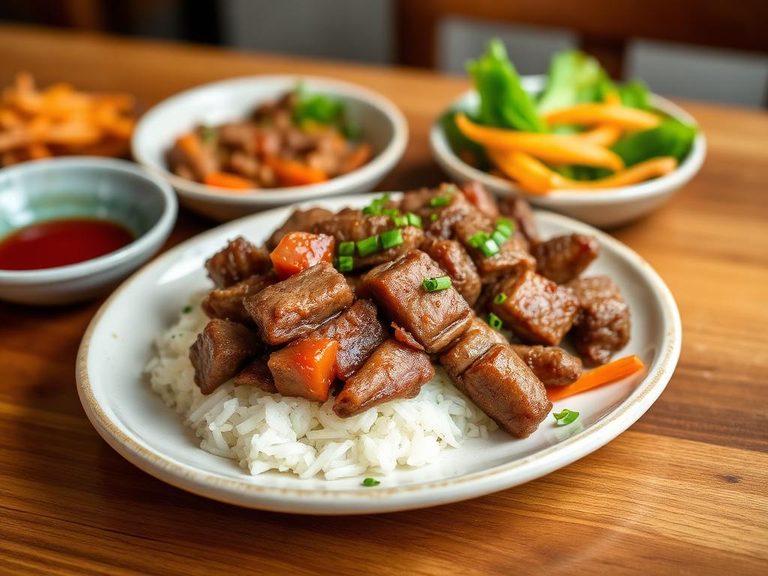
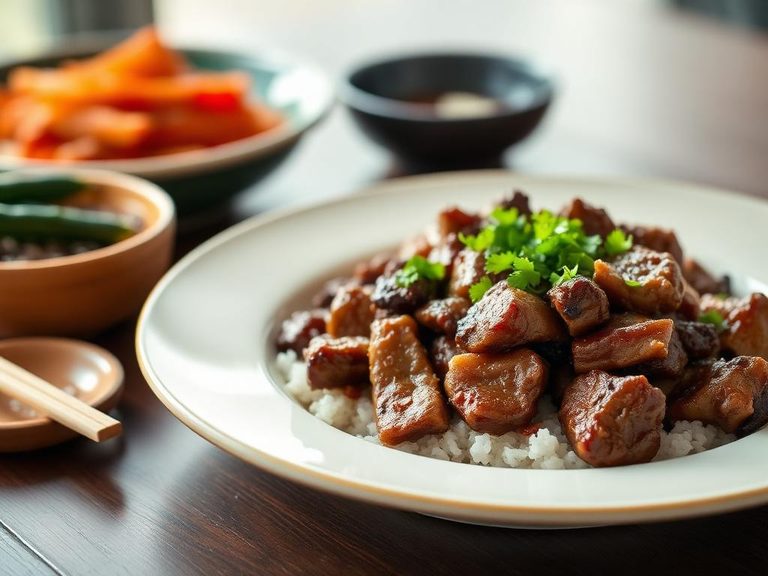
Korean bulgogi marinade is a flavorful mixture used to tenderize and season thin slices of beef (or sometimes pork or chicken) before grilling or stir-frying. Its signature sweet and savory profile comes from a base of soy sauce, sugar or honey, sesame oil, garlic, and often grated Asian pear or apple for natural sweetness and tenderization. Originating in Korea, bulgogi (meaning 'fire meat') is a beloved staple of Korean cuisine, enjoyed both at home and in restaurants worldwide.
🍽️ Nutrition at a glance
A typical serving of bulgogi (about 3-4 ounces of marinated, cooked beef) is a good source of protein, providing around 20-25 grams, while being moderate in fat (10-15 grams) and relatively low in carbohydrates (5-10 grams), depending on the amount of sugar or fruit in the marinade. Key nutrients include iron, B vitamins (especially B12), and zinc from the beef, with additional antioxidants from garlic and ginger. A standard serving generally falls in the range of 250-350 calories.
Nutrition breakdown
| Calories | 45 kcal |
| Protein | 1.5 g |
| Carbs | 8 g |
| Fat | 0.5 g |
| Fiber | 0.5 g |
| Sugar | 6 g |
| Sodium | 680 mg |
| Sodium | 680 mg |
| Potassium | 120 mg |
| Iron | 0.4 mg |
| Vitamin C | 2 mg |
| Calcium | 15 mg |
| Magnesium | 8 mg |
| Phosphorus | 20 mg |
| Manganese | 0.1 mg |
Per 1/4 cup (60 g) · estimated, varies by recipe
💡 What's interesting
Culturally, bulgogi showcases the Korean culinary principle of balancing flavors (sweet, salty, umami) and textures, and it's often a centerpiece of communal dining like Korean BBQ. Nutritionally, the use of fruit enzymes (like from Asian pear) in the marinade is a clever traditional technique that naturally tenderizes the meat without added chemicals, making it both a flavorful and practical choice.
🍽️ Related dishes
AI estimate may be inaccurate · Terms