Pork Bulgogi (Korean)
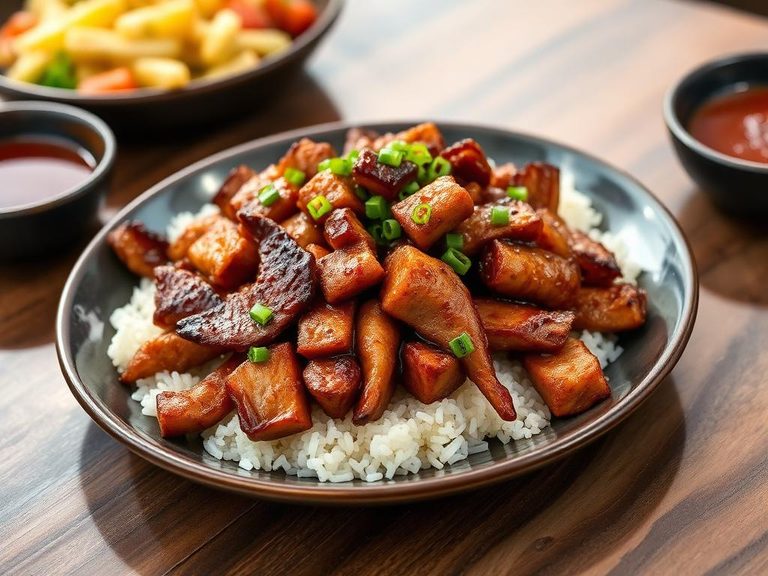
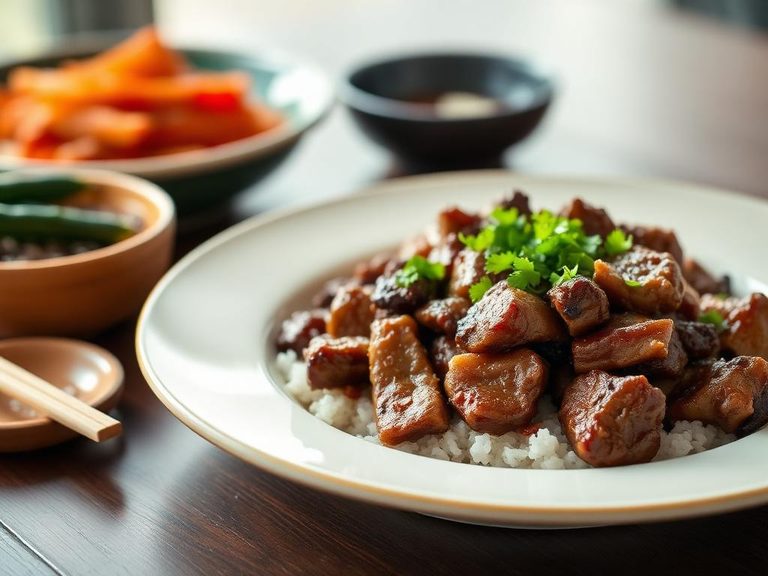
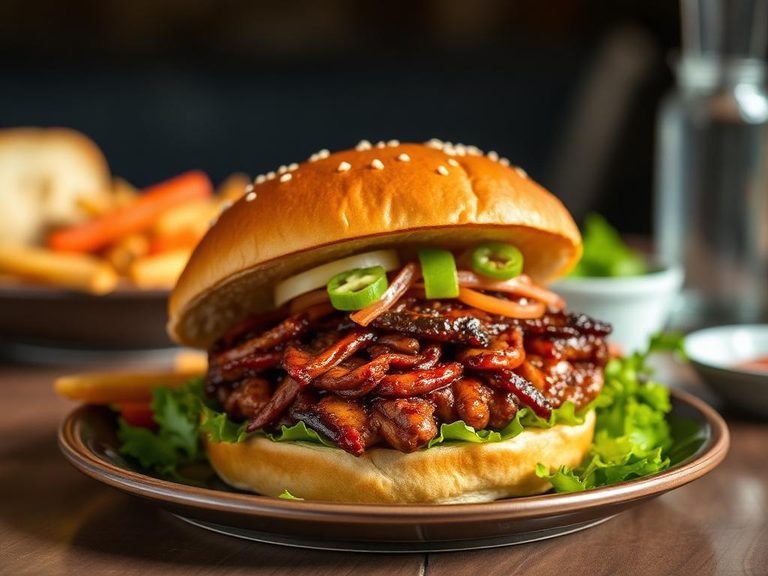
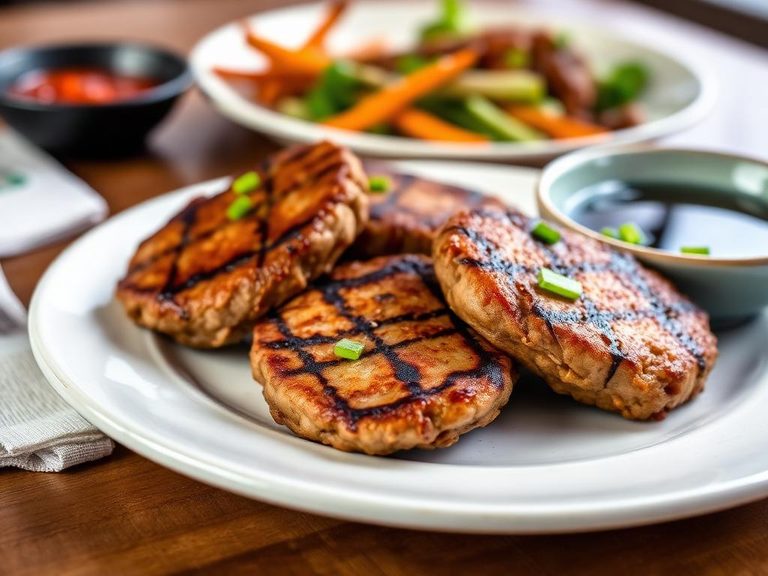
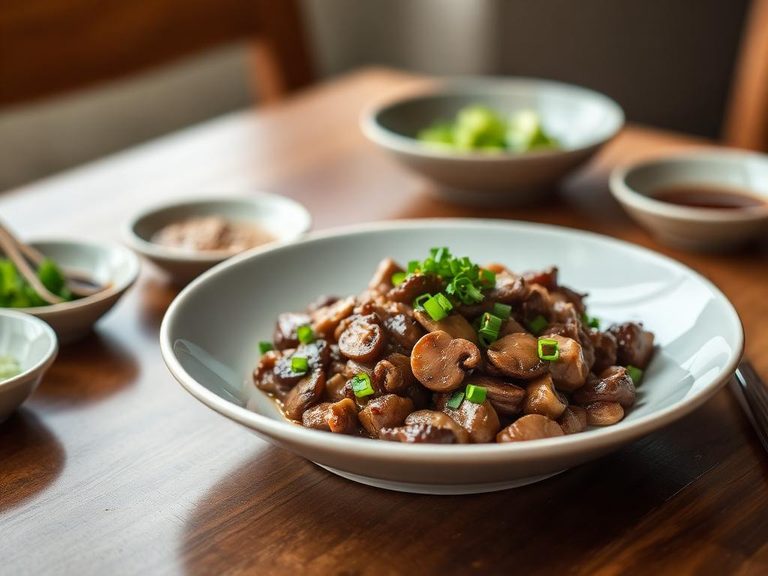
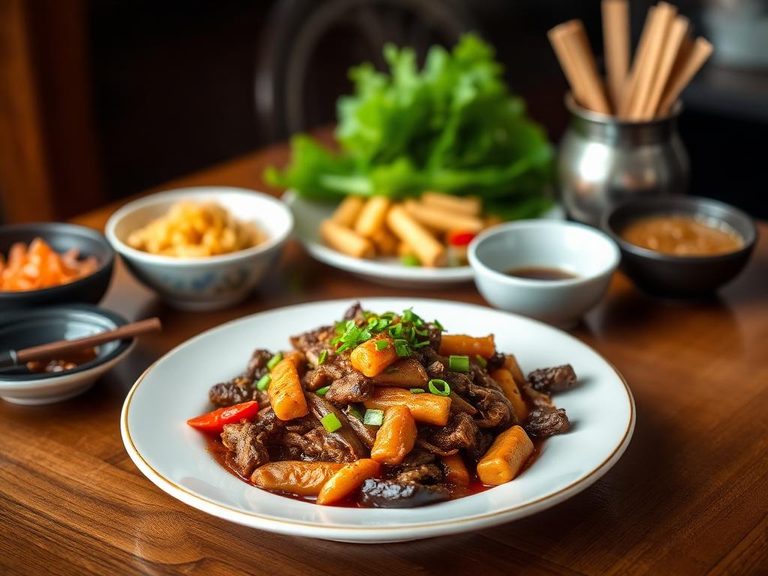
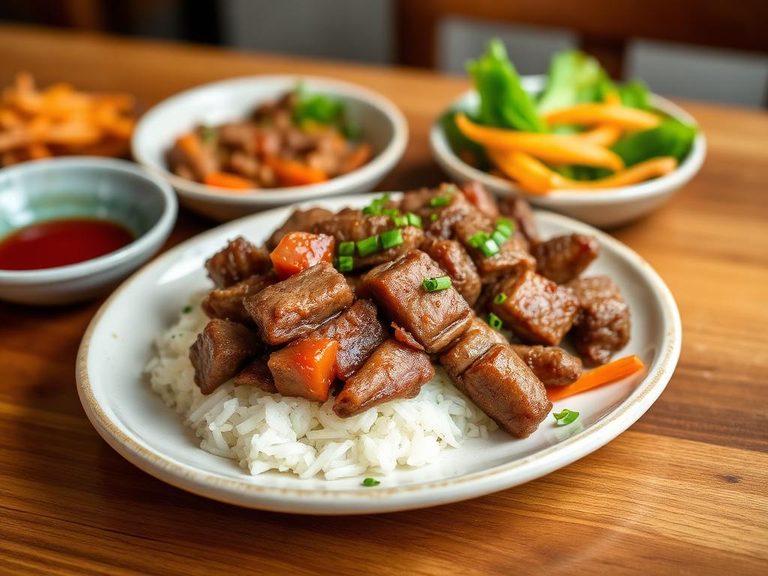
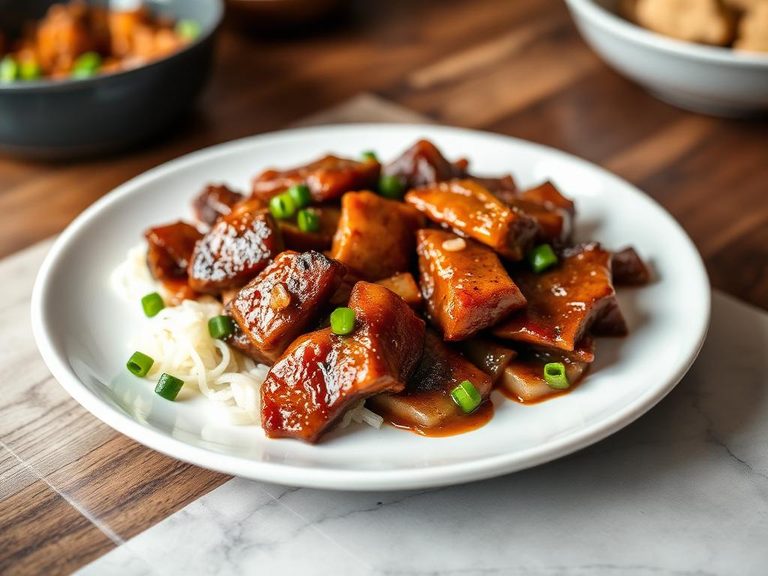
Pork Bulgogi is a popular Korean dish featuring thinly sliced pork marinated in a savory-sweet blend of soy sauce, sugar, garlic, and sesame oil, then grilled or stir-fried. It's a beloved variation of the classic beef bulgogi, offering a more affordable and equally flavorful option. The dish is often served sizzling at the table with rice, lettuce wraps, and an array of banchan (side dishes).
🍽️ Nutrition at a glance
Pork Bulgogi is a high-protein dish, with the lean pork providing a good source of B vitamins and minerals like zinc. The marinade adds some sugar and sodium, and the cooking method can add fat, making it a moderately calorie-dense meal, typically ranging from 300-500 calories per serving depending on the cut of pork and portion size.
Nutrition breakdown
| Calories | 380 kcal |
| Protein | 28 g |
| Carbs | 18 g |
| Fat | 22 g |
| Fiber | 2 g |
| Sugar | 12 g |
| Sodium | 780 mg |
| Iron | 3.2 mg |
| Potassium | 420 mg |
| Vitamin B6 | 0.6 mg |
| Vitamin B12 | 1.8 mcg |
| Zinc | 4.5 mg |
| Niacin (B3) | 8.5 mg |
| Phosphorus | 250 mg |
| Selenium | 35 mcg |
Per 1 cup (240 g) · estimated, varies by recipe
💡 What's interesting
Culturally, bulgogi showcases the Korean culinary philosophy of balancing flavors—salty, sweet, and umami—while the act of grilling meat at the table is a central part of communal Korean dining. Nutritionally, the use of ingredients like garlic and sesame in the marinade not only adds depth of flavor but also contributes beneficial compounds with antioxidant properties.