

Oil, sesame, salad or cooking
Whole food · Fats and Oils
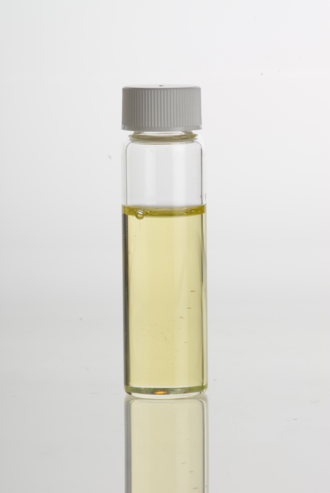
Photo: Wikipedia
Sesame oil is a fragrant, golden-amber liquid pressed from toasted or raw sesame seeds, prized for its rich, nutty aroma and smooth, viscous texture. Nutritionally, it is a concentrated source of pure fat, delivering about 884 calories per 100 grams, with virtually no protein, carbohydrates, or fiber. It is a staple for adding depth and flavor to dishes rather than serving as a primary nutrient source.
Calorie split: 0% protein · 0% carbs · 100% fat
↓ Full nutrition💚 Why it's loved
People adore sesame oil for its intoxicating, toasty fragrance that can transform a simple dish, and its incredible versatility as both a cooking fat and a finishing oil across global cuisines.
⚠️ Watch-outs & how to enjoy it better
Due to its extremely high calorie density (884 kcal per 100g), it's easy to overuse, which can contribute to excess calorie intake. To counteract this, use it sparingly as a flavoring oil in the final stages of cooking rather than as a primary frying oil, and measure it with a teaspoon.
Key benefits
- Rich in antioxidants like sesamol and sesaminol
- Contains heart-healthy monounsaturated and polyunsaturated fats
- Provides a good source of vitamin E
- Adds intense flavor, reducing the need for other high-calorie seasonings
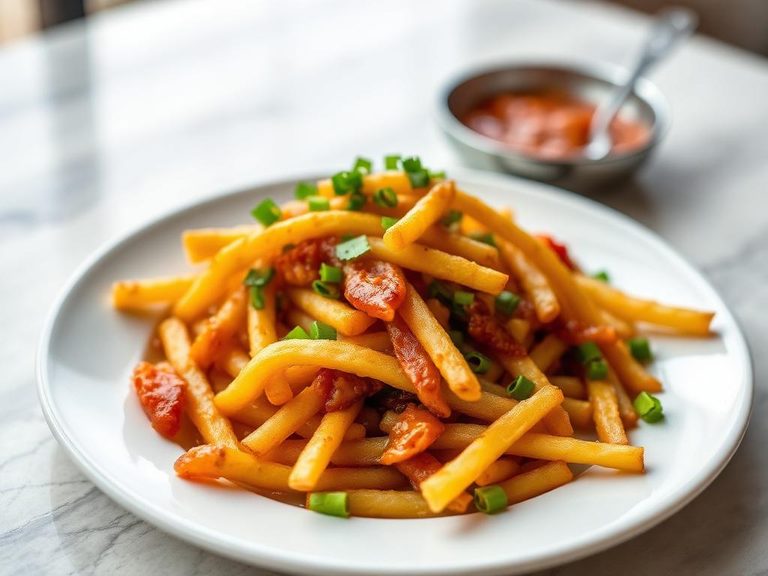
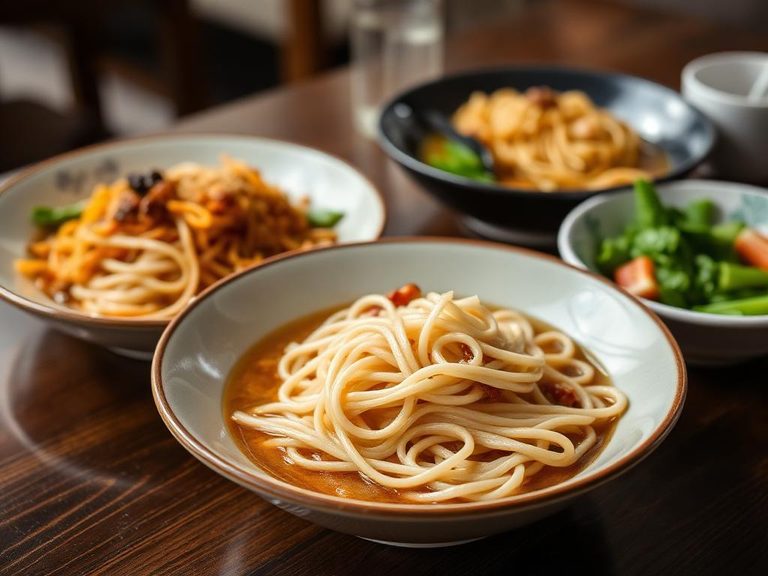
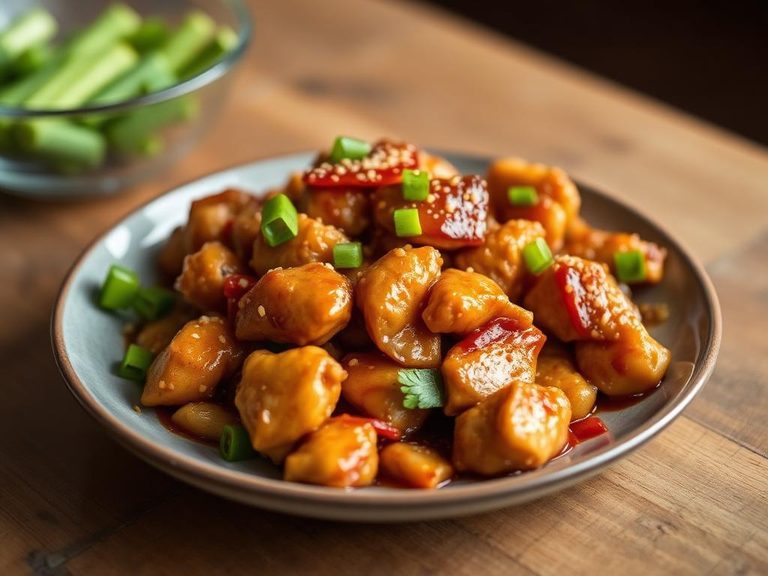
🍽️ Popular dishes

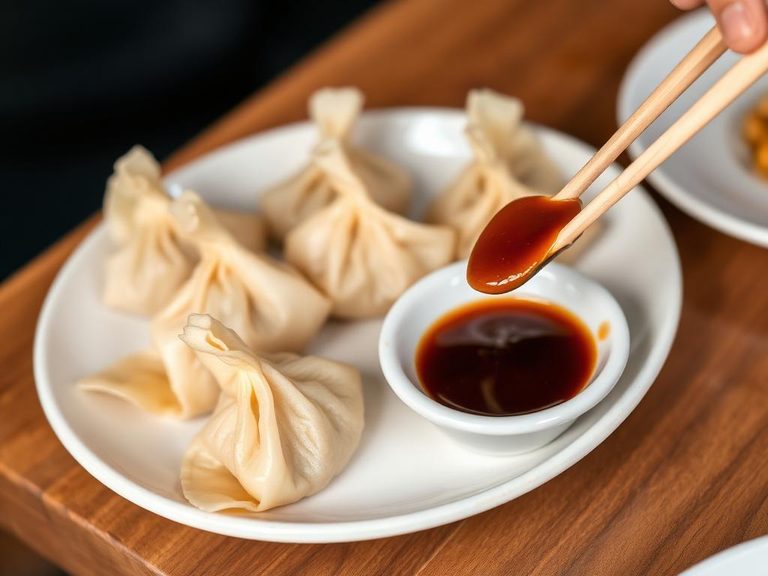
🌍 Where it's eaten
💡 Did you know?
Ancient Babylonians used sesame oil as a base for perfumes and medicines over 4,000 years ago.
Full nutrition (USDA data · scales with serving)
| Water | 0.00 g |
| Energy | 884 kcal |
| Energy | 3699 kj |
| Protein | 0.00 g |
| Total lipid (fat) | 100 g |
| Ash | 0.00 g |
| Carbohydrate, by difference | 0.00 g |
| Fiber, total dietary | 0.00 g |
| Total Sugars | 0.00 g |
| Calcium, Ca | 0.00 mg |
| Iron, Fe | 0.00 mg |
| Magnesium, Mg | 0.00 mg |
| Phosphorus, P | 0.00 mg |
| Potassium, K | 0.00 mg |
| Sodium, Na | 0.00 mg |
| Zinc, Zn | 0.00 mg |
| Copper, Cu | 0.00 mg |
| Selenium, Se | 0.00 ug |
| Vitamin C, total ascorbic acid | 0.00 mg |
| Thiamin | 0.00 mg |
| Riboflavin | 0.00 mg |
| Niacin | 0.00 mg |
| Pantothenic acid | 0.00 mg |
| Vitamin B-6 | 0.00 mg |
| Folate, total | 0.00 ug |
| Folic acid | 0.00 ug |
| Folate, food | 0.00 ug |
| Folate, DFE | 0.00 ug |
| Choline, total | 0.20 mg |
| Vitamin B-12 | 0.00 ug |
| Vitamin B-12, added | 0.00 ug |
| Vitamin A, RAE | 0.00 ug |
| Retinol | 0.00 ug |
| Carotene, beta | 0.00 ug |
| Carotene, alpha | 0.00 ug |
| Cryptoxanthin, beta | 0.00 ug |
| Vitamin A, IU | 0.00 iu |
| Lycopene | 0.00 ug |
| Lutein + zeaxanthin | 0.00 ug |
| Vitamin E (alpha-tocopherol) | 1.4 mg |
| Vitamin E, added | 0.00 mg |
| Vitamin D (D2 + D3), International Units | 0.00 iu |
| Vitamin D (D2 + D3) | 0.00 ug |
| Vitamin K (phylloquinone) | 13.6 ug |
| Alcohol, ethyl | 0.00 g |
| Caffeine | 0.00 mg |
| Theobromine | 0.00 mg |
Fat & fatty acid profile (per 100g)
| Fatty acids, total saturated | 14.2 g |
| SFA 4:0 | 0.00 g |
| SFA 6:0 | 0.00 g |
| SFA 8:0 | 0.00 g |
| SFA 10:0 | 0.00 g |
| SFA 12:0 | 0.00 g |
| SFA 14:0 | 0.00 g |
| SFA 16:0 | 8.9 g |
| SFA 18:0 | 4.8 g |
| Fatty acids, total monounsaturated | 39.7 g |
| MUFA 16:1 | 0.20 g |
| MUFA 18:1 | 39.3 g |
| MUFA 20:1 | 0.20 g |
| MUFA 22:1 | 0.00 g |
| Fatty acids, total polyunsaturated | 41.7 g |
| PUFA 18:2 | 41.3 g |
| PUFA 18:3 | 0.30 g |
| PUFA 18:4 | 0.00 g |
| PUFA 20:4 | 0.00 g |
| PUFA 20:5 n-3 (EPA) | 0.00 g |
| PUFA 22:5 n-3 (DPA) | 0.00 g |
| PUFA 22:6 n-3 (DHA) | 0.00 g |
| Cholesterol | 0.00 mg |
| Phytosterols | 865 mg |
Amino acid profile (per 100g)
| Tryptophan | 0.00 g |
| Threonine | 0.00 g |
| Isoleucine | 0.00 g |
| Leucine | 0.00 g |
| Lysine | 0.00 g |
| Methionine | 0.00 g |
| Cystine | 0.00 g |
| Phenylalanine | 0.00 g |
| Tyrosine | 0.00 g |
| Valine | 0.00 g |
| Arginine | 0.00 g |
| Histidine | 0.00 g |
| Alanine | 0.00 g |
| Aspartic acid | 0.00 g |
| Glutamic acid | 0.00 g |
| Glycine | 0.00 g |
| Proline | 0.00 g |
| Serine | 0.00 g |
FAQ
What's the difference between toasted and untoasted sesame oil?
Toasted (or dark) sesame oil is made from roasted seeds, giving it a dark color and strong, nutty flavor, used mainly as a finishing oil. Light or untoasted sesame oil is from raw seeds, has a mild flavor, and has a higher smoke point for cooking.
Can you use sesame oil for high-heat frying?
Light (untoasted) sesame oil has a moderate smoke point (around 410°F/210°C) and can be used for stir-frying. Toasted sesame oil has a lower smoke point and should be added at the end of cooking to preserve its flavor.
Is sesame oil a common allergen?
Yes, sesame is a recognized major food allergen. Sesame oil may contain trace proteins that can trigger reactions in sensitive individuals, so those with a sesame allergy should avoid it.
Nutrient density (calculated · NRF9.3)
Nutrient Rich Foods index: beneficial nutrients (protein, fiber, vitamins, minerals) minus saturated fat, added sugar & sodium, per 100 kcal.
NRF9.3 index — Fulgoni, Keast & Drewnowski, 2009. Computed from USDA nutrients.
Weight-loss friendliness (composite index)
Energy density 8.84 kcal/g · 0% calories from protein · 0.0 g fiber · 0.0 g sugar per 100 g.
Composite of energy density (Rolls et al., 1999), protein & fiber satiety, minus sugar. A calculated heuristic — ranks satiety-per-calorie, not a clinical measure.
Dietary load (calculated from USDA values)
Potential renal acid load. Positive = acid-forming, negative = alkaline-forming.
Sodium:potassium per WHO potassium guidance. Computed from USDA nutrients.