

Marinades and dressings
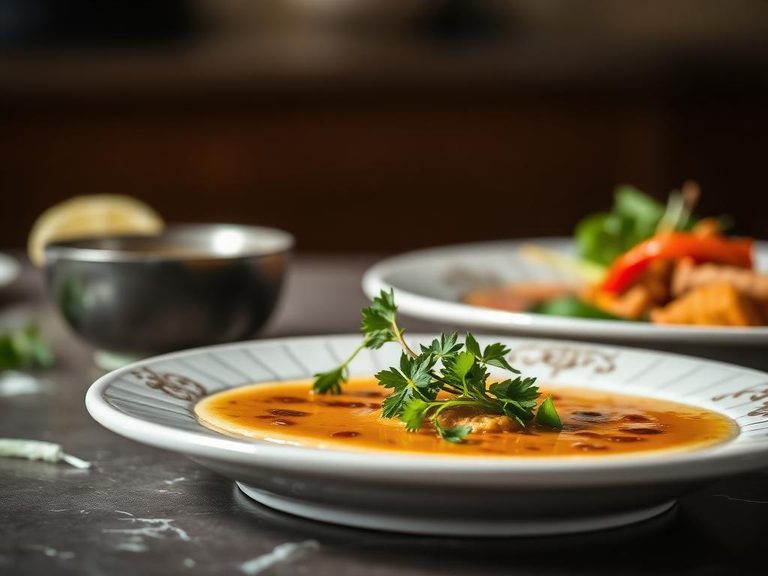
Marinades and dressings are versatile liquid mixtures used to flavor, tenderize, or coat foods. They typically consist of a base like oil, vinegar, citrus juice, or yogurt, combined with herbs, spices, garlic, and other seasonings. While marinades are used to infuse flavor into proteins before cooking, dressings are served over salads or as dips, with origins spanning global cuisines from Mediterranean vinaigrettes to Asian soy-based blends.
🍳 View the full Marinades and dressings recipe →
🍽️ Nutrition at a glance
These are generally high in fats (from oils or dairy) and low in carbs and protein, with calories varying widely—vinaigrettes might have 50-80 calories per tablespoon, while creamy dressings can reach 100-150 calories. They provide essential fatty acids, antioxidants from herbs, and can enhance nutrient absorption from vegetables, though they should be used in moderation due to calorie density.
Nutrition breakdown
| Calories | 120 kcal |
| Protein | 0.1 g |
| Carbs | 2 g |
| Fat | 13 g |
| Fiber | 0 g |
| Sugar | 1.5 g |
| Sodium | 400 mg |
| Vitamin E | 1.5 mg |
| Vitamin K | 10 µg |
| Sodium | 400 mg |
| Potassium | 20 mg |
| Iron | 0.2 mg |
| Calcium | 5 mg |
| Magnesium | 3 mg |
| Phosphorus | 10 mg |
Per 2 tablespoons (30 g) · estimated, varies by recipe
💡 What's interesting
Culturally, marinades and dressings reflect regional ingredients and traditions, like the use of fermented soy in East Asian cuisines or tahini in Middle Eastern preparations. Nutritionally, they can make meals more palatable and increase the bioavailability of fat-soluble vitamins in salads, making them a smart tool for balanced eating when chosen wisely.
🍽️ Related dishes

AI estimate may be inaccurate · Terms