Bibimbap with bulgogi
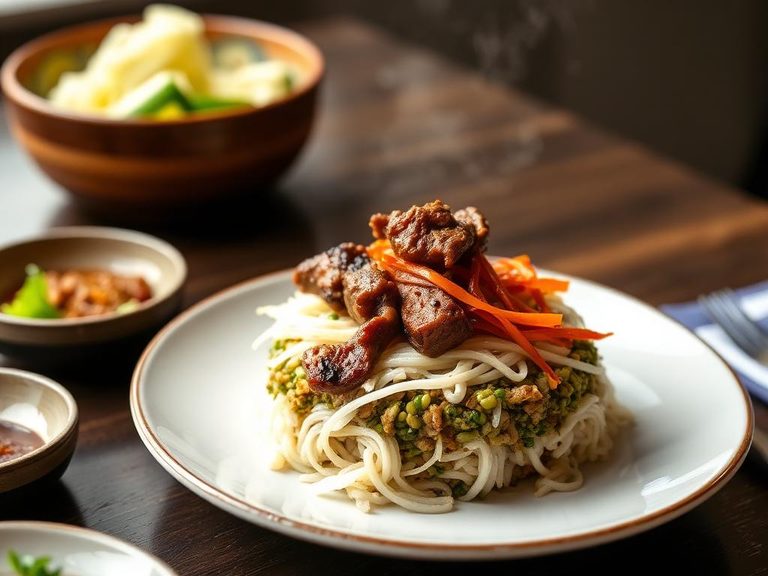
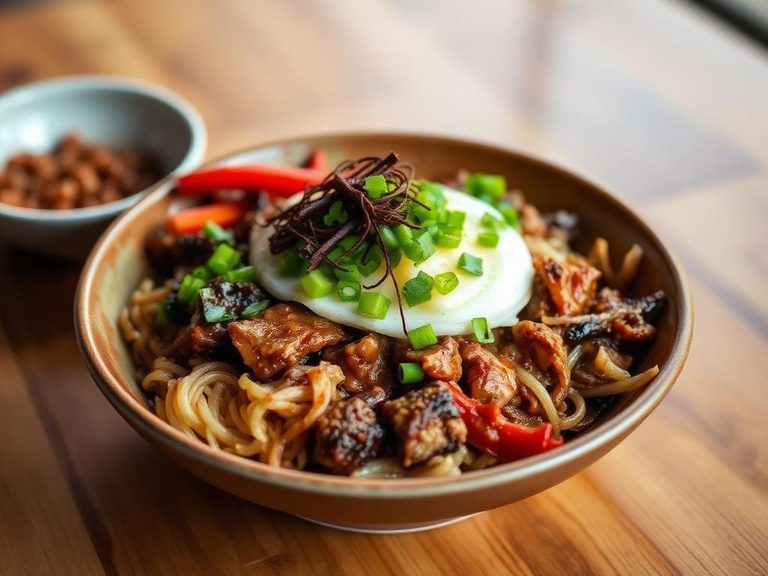
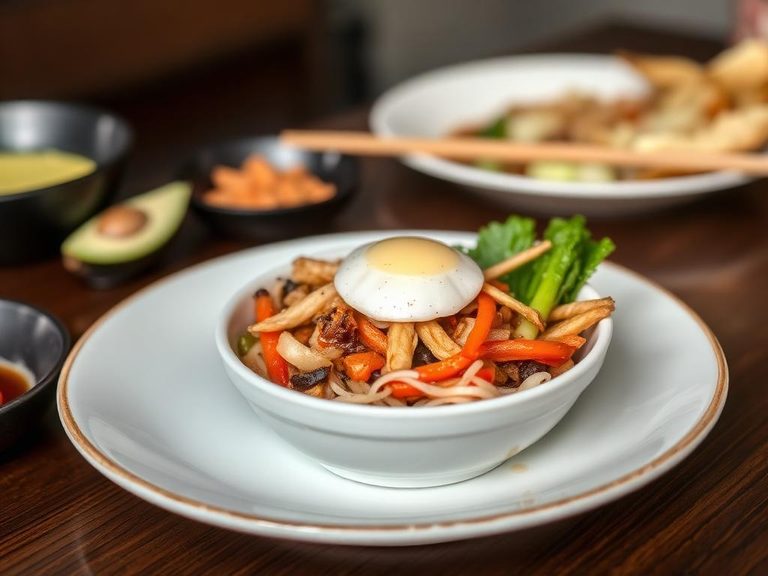
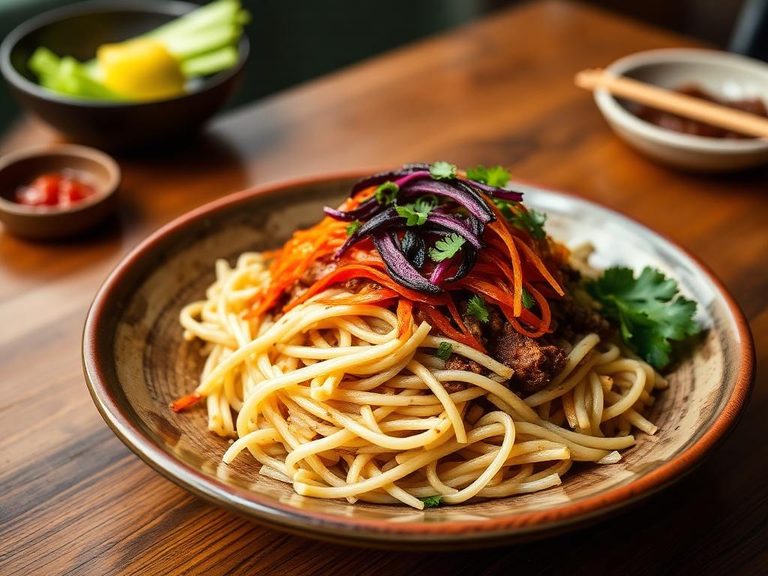
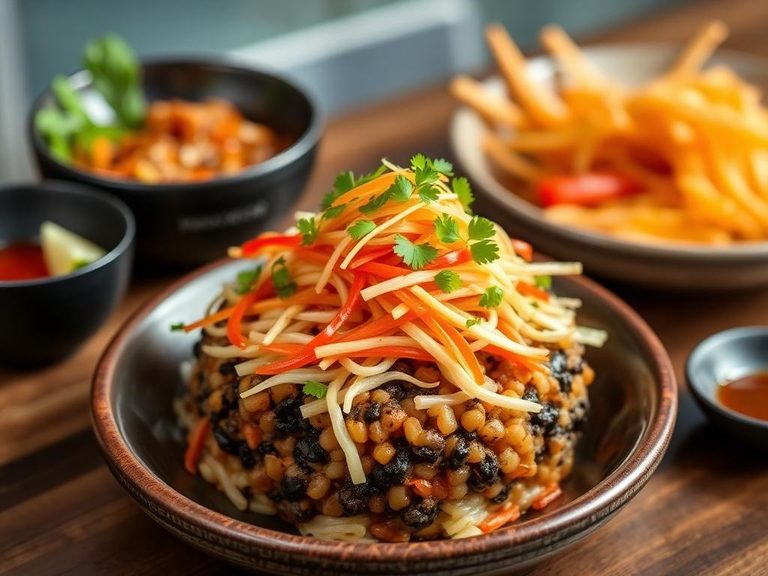
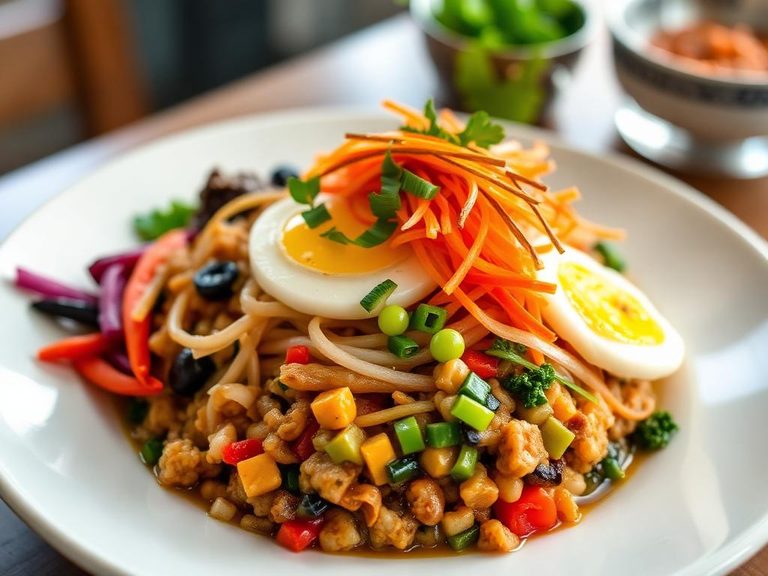
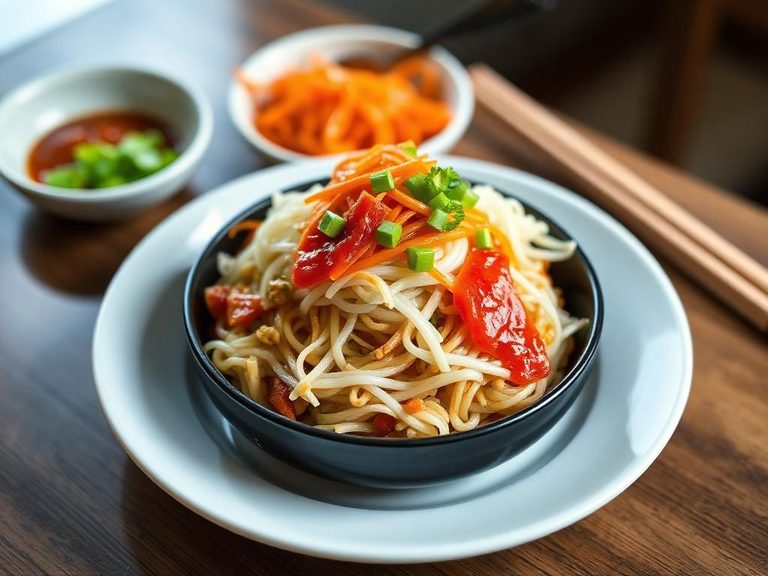
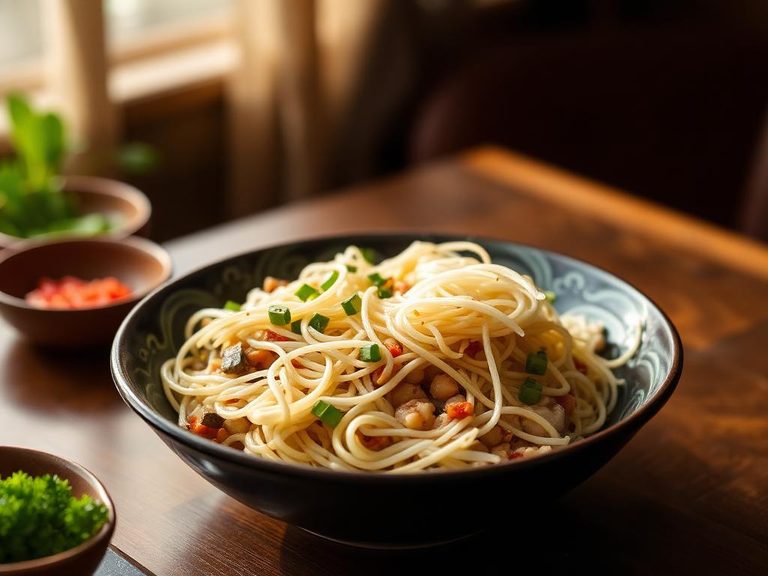
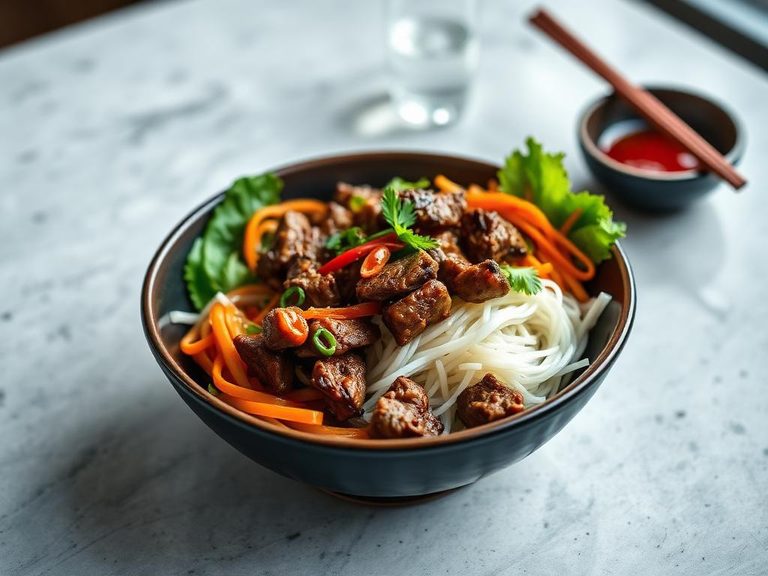
Bibimbap with bulgogi is a beloved Korean rice bowl dish where warm steamed rice is topped with a colorful array of sautéed vegetables, a fried egg, and tender, marinated beef bulgogi. It is typically served with a spicy gochujang chili paste on the side, allowing each person to mix everything together before eating. This dish hails from Korea and is a staple in both home cooking and restaurants worldwide.
🍽️ Nutrition at a glance
This dish is a balanced meal, offering a good mix of carbohydrates from the rice, protein from the beef and egg, and healthy fats from the cooking oils and vegetables. It provides essential nutrients like fiber, vitamins A and C from the vegetables, and iron from the beef, with a typical serving ranging from 500 to 700 calories depending on portion sizes and ingredients.
Nutrition breakdown
| Calories | 550 kcal |
| Protein | 30 g |
| Carbs | 60 g |
| Fat | 20 g |
| Fiber | 6 g |
| Sugar | 8 g |
| Sodium | 1200 mg |
| Iron | 4.5 mg |
| Vitamin B6 | 0.6 mg |
| Niacin (B3) | 8 mg |
| Zinc | 5 mg |
| Potassium | 650 mg |
| Vitamin A | 300 µg RAE |
| Vitamin C | 15 mg |
| Folate | 120 µg |
Per 1 bowl (350 g) · estimated, varies by recipe
💡 What's interesting
Culturally, bibimbap is often associated with the Korean concept of 'obangsaek,' which emphasizes harmony through five colors (white, black, green, red, and yellow) representing different elements and nutrients. Nutritionally, the practice of mixing all ingredients together ensures a varied intake of textures and flavors in each bite, making it a satisfying and wholesome meal.