Korean Bibimbap
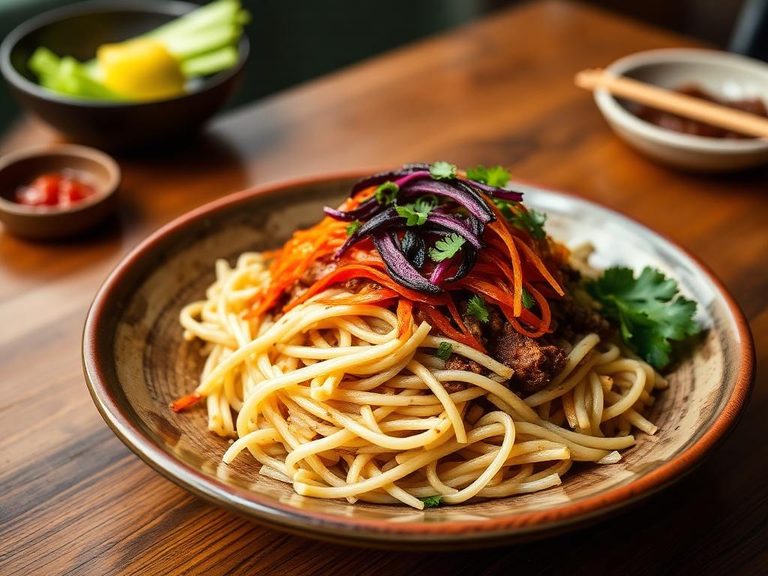
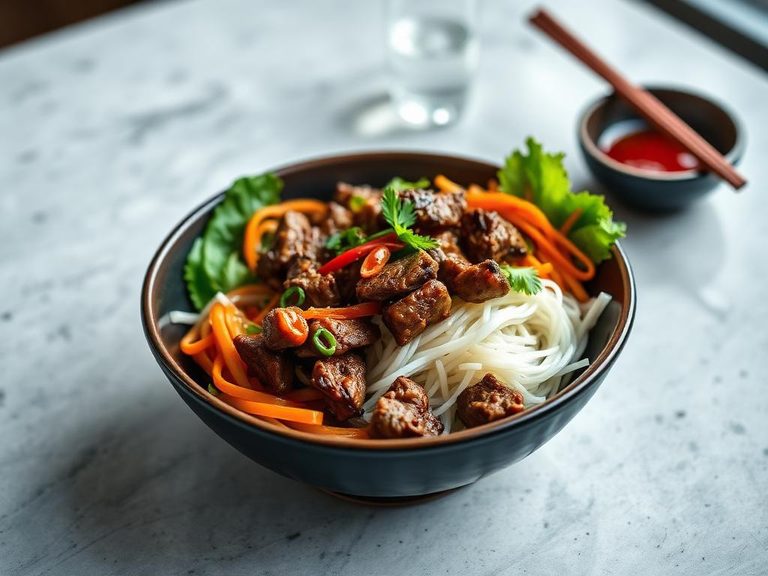
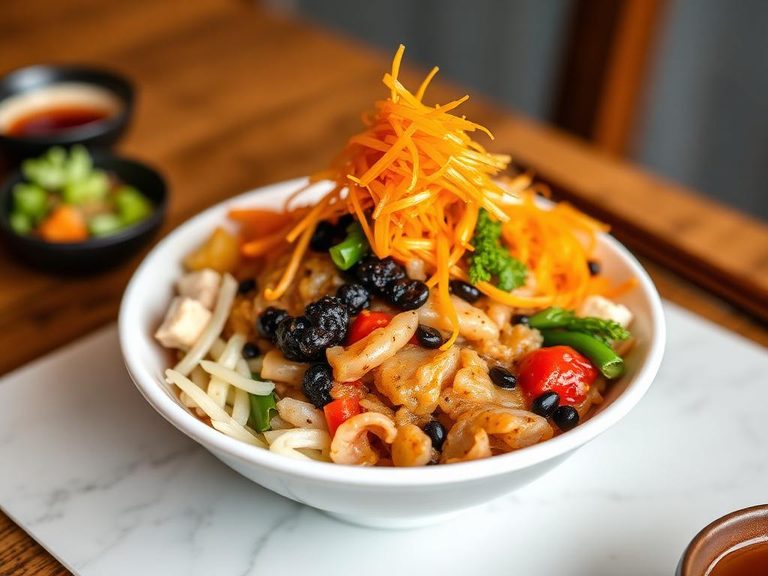
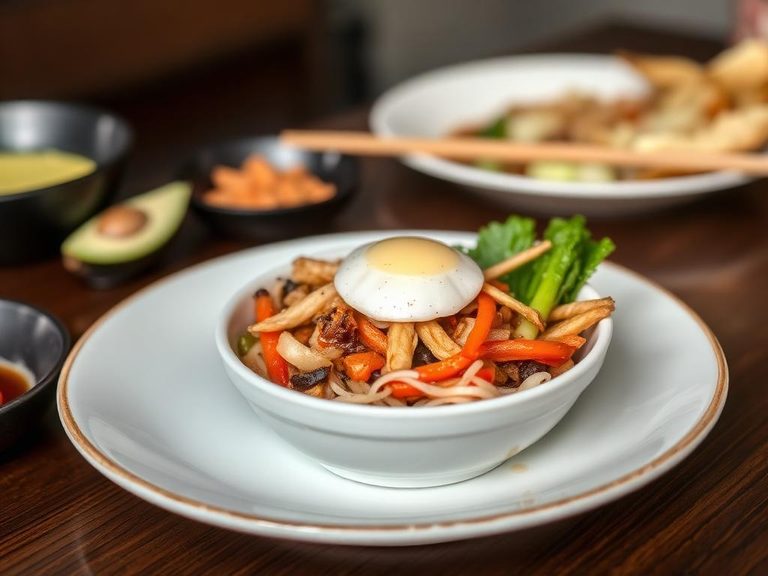
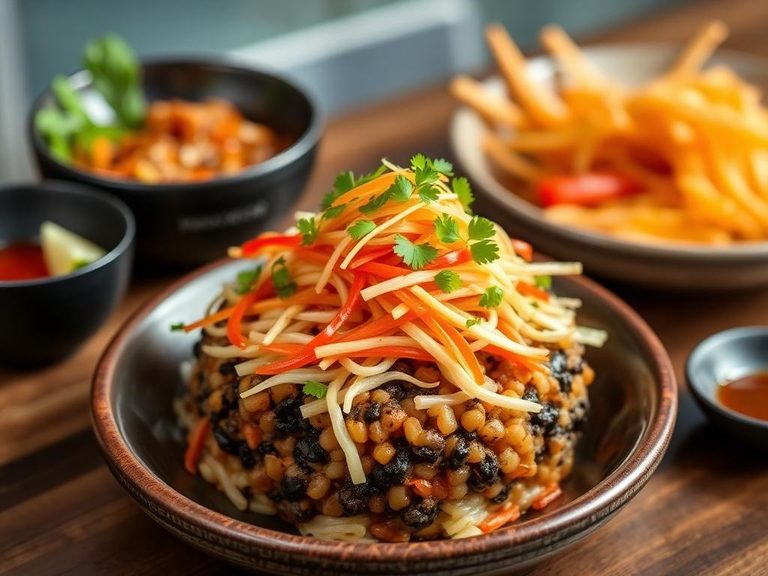
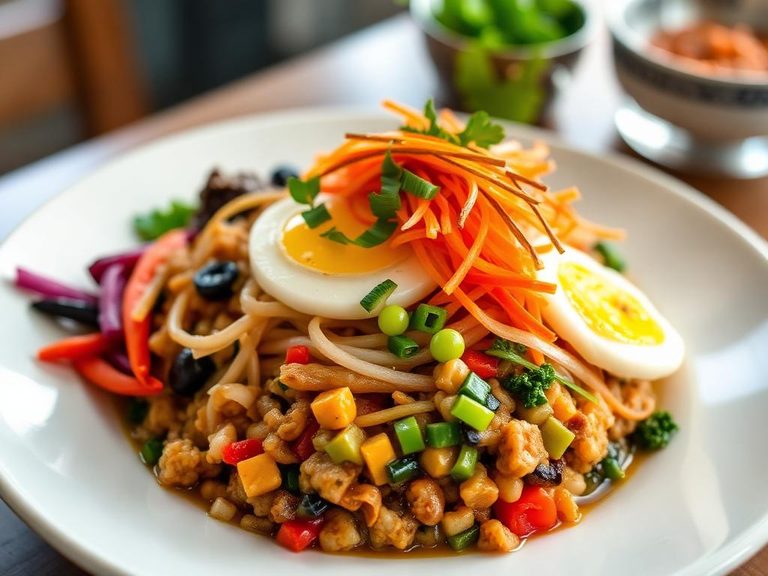
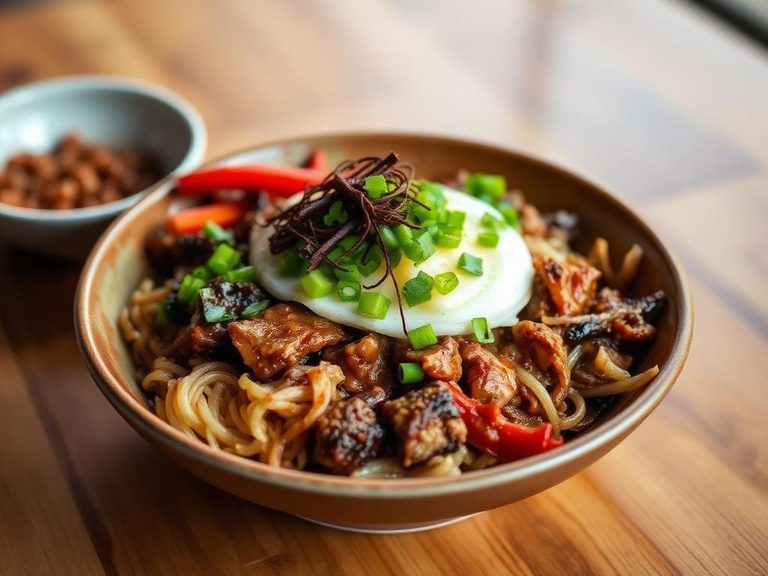
Bibimbap is a beloved Korean mixed rice dish that combines a warm bowl of steamed rice topped with an array of seasoned vegetables, a protein like beef or tofu, a fried egg, and a dollop of spicy gochujang chili paste. It originates from Korea, with regional variations like Jeonju bibimbap being particularly famous. The name literally means 'mixed rice,' highlighting the essential step of stirring all the ingredients together before eating.
🍽️ Nutrition at a glance
Bibimbap is a well-balanced meal that provides a good mix of carbohydrates from rice, protein from the egg and meat/tofu, and healthy fats from the sesame oil and egg yolk. It is rich in fiber, vitamins, and minerals from the variety of vegetables, with a typical serving ranging from 500 to 700 calories depending on portion size and specific ingredients.
Nutrition breakdown
| Calories | 550 kcal |
| Protein | 22 g |
| Carbs | 75 g |
| Fat | 18 g |
| Fiber | 8 g |
| Sugar | 10 g |
| Sodium | 1200 mg |
| Potassium | 600 mg |
| Iron | 5 mg |
| Vitamin A | 800 IU |
| Vitamin C | 15 mg |
| Calcium | 100 mg |
| Vitamin K | 40 mcg |
| Folate | 120 mcg |
| Manganese | 1.5 mg |
Per 1 bowl (450 g) · estimated, varies by recipe
💡 What's interesting
Culturally, bibimbap is often enjoyed as a communal or one-bowl meal, and its presentation with colorful, neatly arranged toppings is considered a form of culinary art. Nutritionally, it's unique because the method of mixing everything together ensures you get a harmonious blend of flavors and textures in each bite, while the fermented gochujang paste adds probiotic benefits.