Bibimbap (Korean)
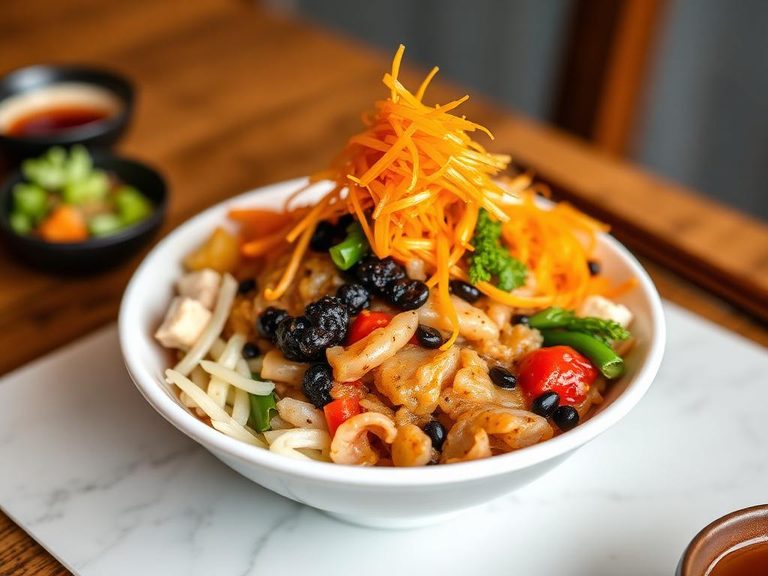
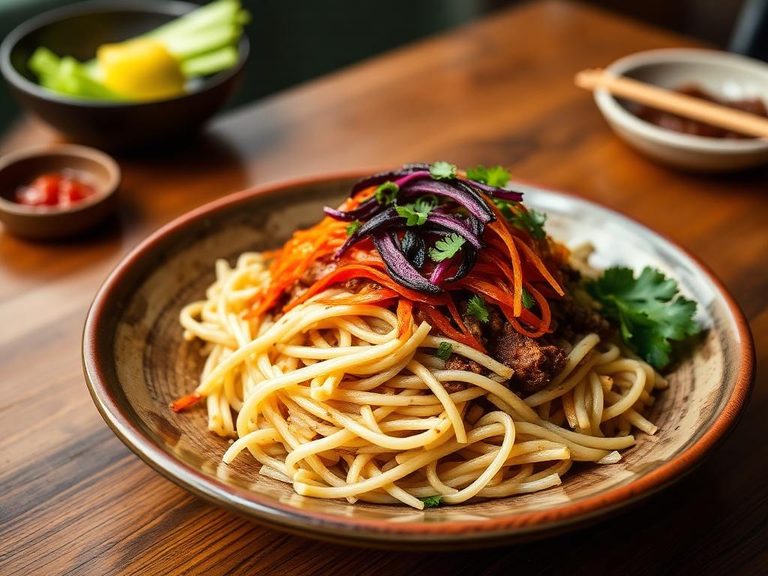
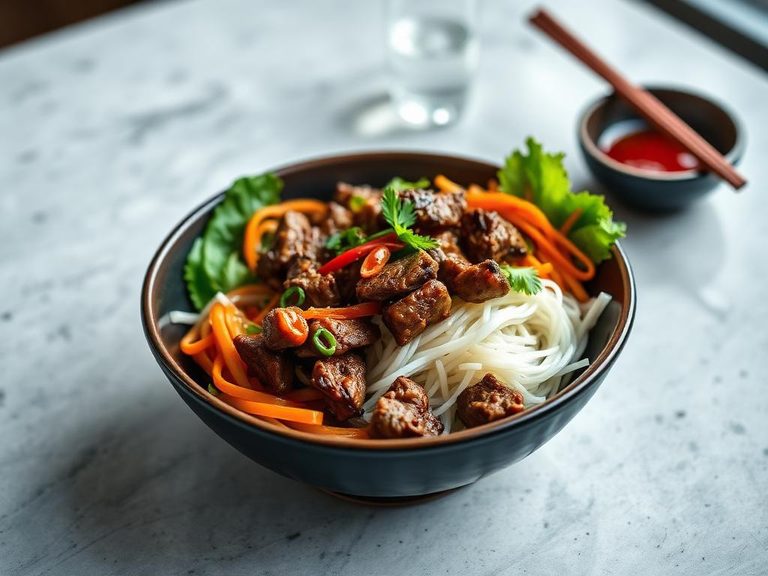
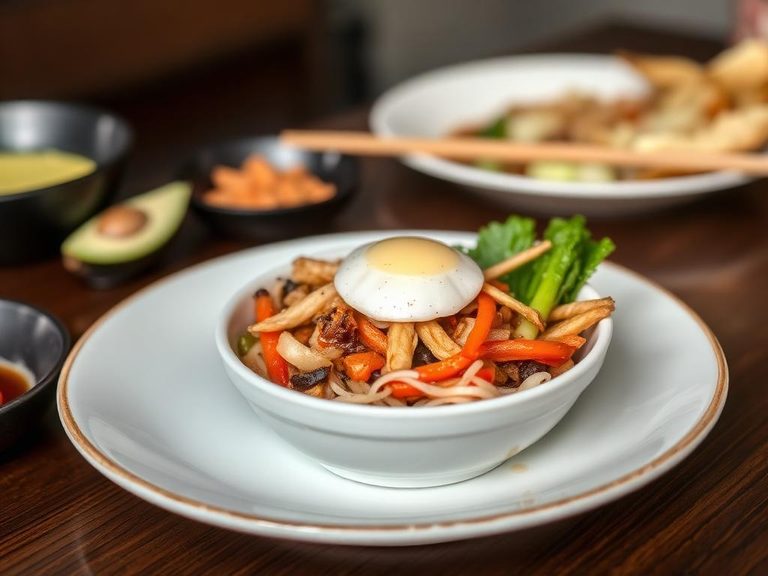
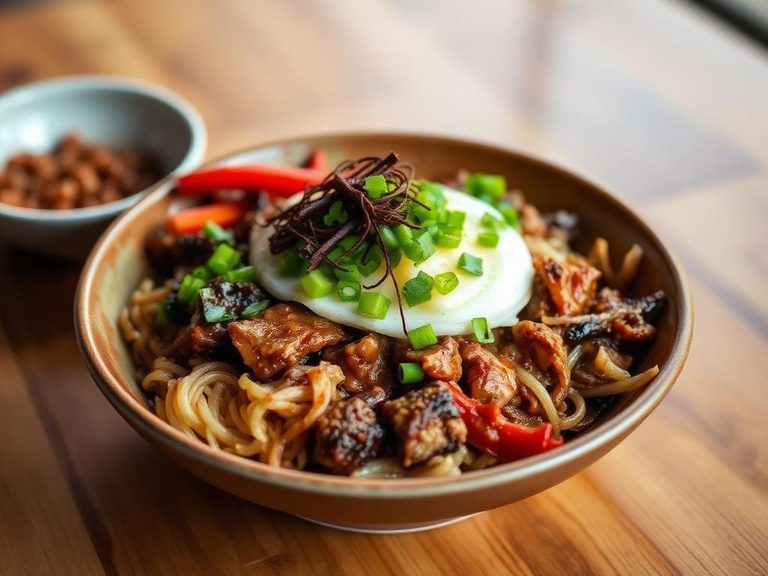
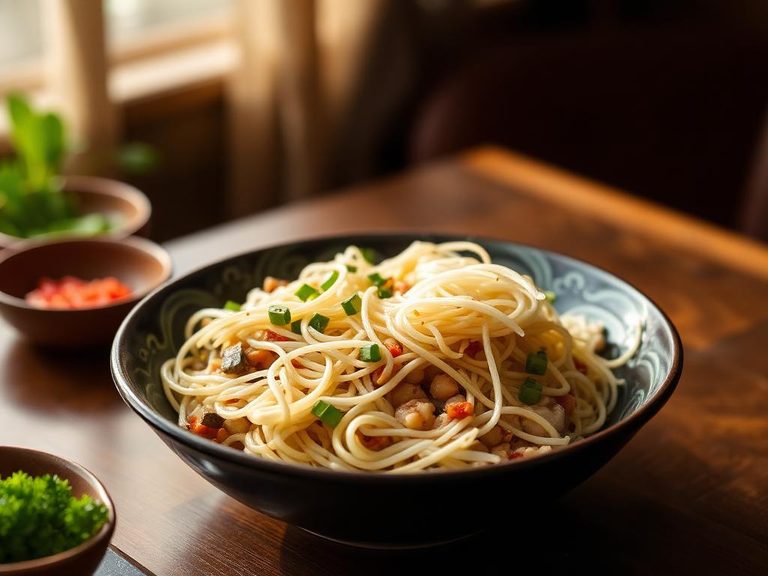
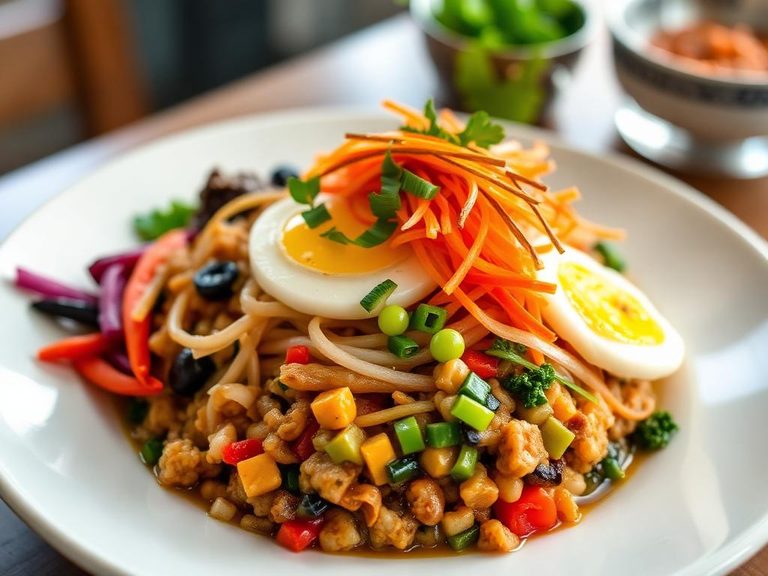
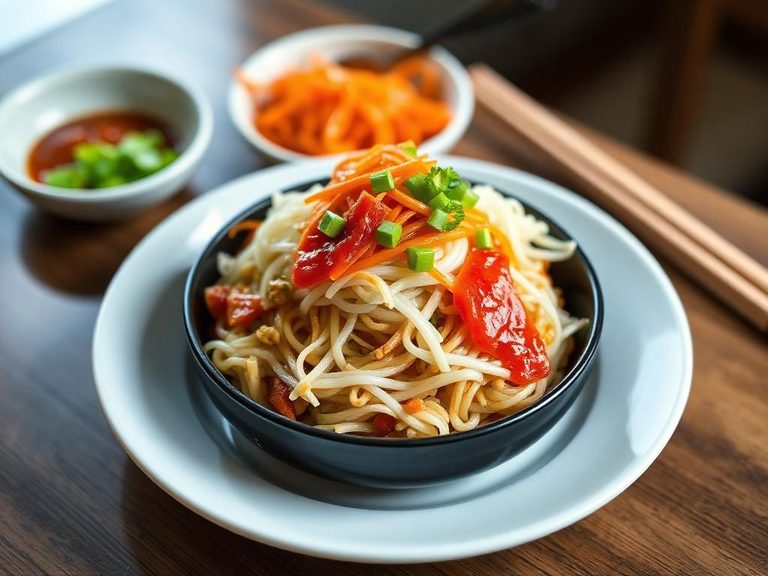
Bibimbap is a beloved Korean mixed rice dish featuring a colorful array of sautéed vegetables, meat, and a fried egg served over steamed white rice. The name literally translates to 'mixed rice,' and it is traditionally served with a dollop of spicy gochujang chili paste that ties all the flavors together. Originating from the Joseon Dynasty, it is a staple of Korean cuisine often enjoyed as a hearty and balanced meal.
🍽️ Nutrition at a glance
Bibimbap is a nutritionally balanced meal that provides a good mix of carbohydrates from the rice, protein from the meat and egg, and healthy fats from the vegetables and sesame oil. A typical serving ranges from 500 to 700 calories, depending on the portion size and the amount of meat and oil used. It is also rich in vitamins and minerals, particularly from the variety of vegetables like spinach, carrots, and bean sprouts.
Nutrition breakdown
| Calories | 490 kcal |
| Protein | 18 g |
| Carbs | 72 g |
| Fat | 14 g |
| Fiber | 8 g |
| Sugar | 10 g |
| Sodium | 1200 mg |
| Vitamin A | 300 mcg |
| Vitamin C | 25 mg |
| Vitamin K | 70 mcg |
| Iron | 4.5 mg |
| Calcium | 120 mg |
| Potassium | 650 mg |
| Magnesium | 80 mg |
| Zinc | 3.0 mg |
Per 1 bowl (450 g) · estimated, varies by recipe
💡 What's interesting
Bibimbap is culturally significant as a symbol of harmony and balance, with the various colors of the ingredients representing the five elements in Korean philosophy. Nutritionally, it is unique because the raw or lightly cooked vegetables retain their nutrients, and the dish is often served in a hot stone pot (dolsot) that creates a crispy rice crust, adding texture and flavor.