Yasai Bibimbap
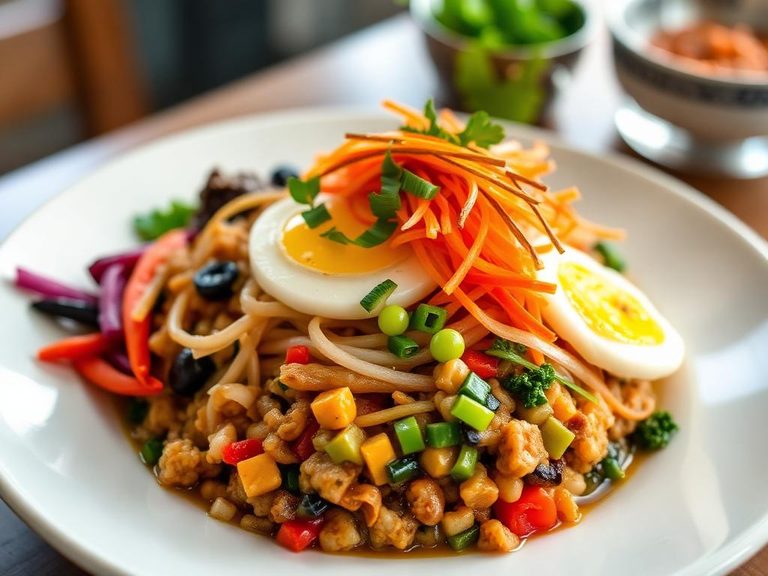
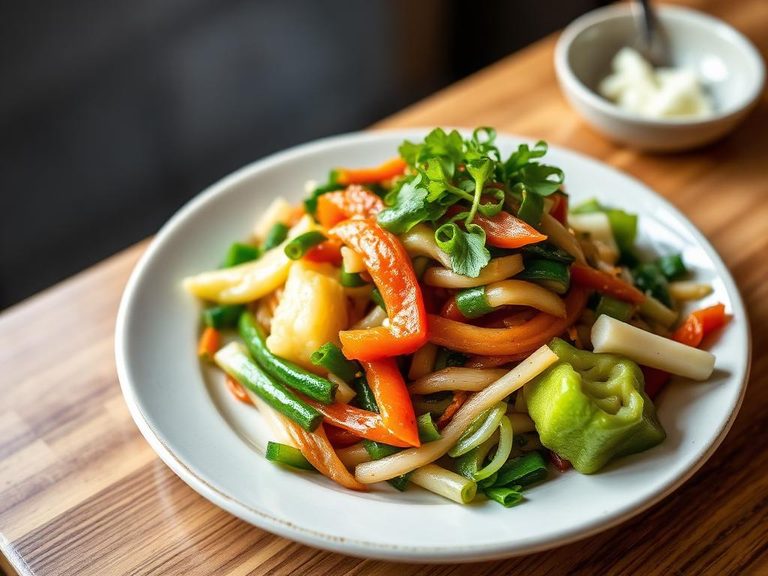
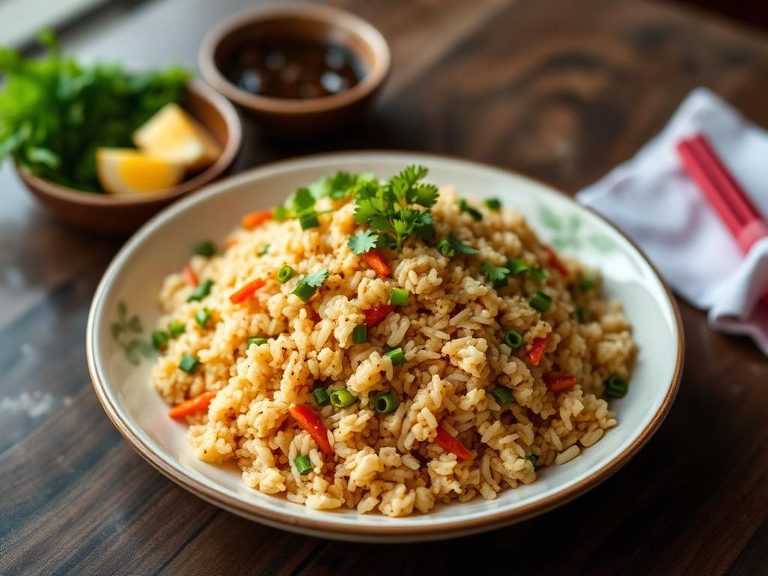
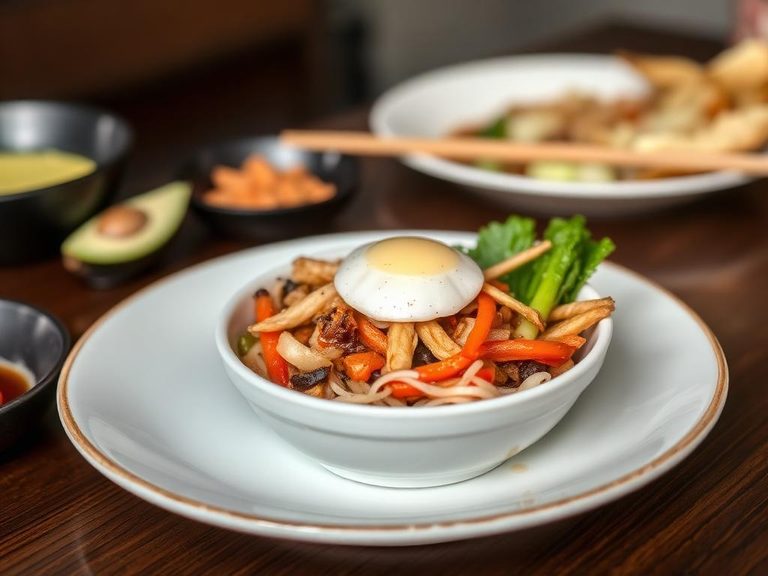
Yasai Bibimbap is a vibrant and colorful Korean rice bowl, traditionally made with a variety of sautéed vegetables, a fried egg, and a dollop of spicy gochujang sauce. The vegetarian version, 'yasai' being Japanese for vegetable, typically features ingredients like spinach, carrots, mushrooms, zucchini, and bean sprouts, all artfully arranged over steamed rice. It's a beloved dish from Korea, celebrated for its harmonious blend of flavors and textures.
🍽️ Nutrition at a glance
This dish is generally well-balanced, offering a good mix of complex carbohydrates from the rice, healthy fats from the egg and sesame oil, and plant-based protein from the vegetables and sometimes tofu. It's rich in fiber, vitamins A and C, and iron, with a typical serving containing around 500-700 calories depending on portion size and specific ingredients used.
Nutrition breakdown
| Calories | 450 kcal |
| Protein | 12 g |
| Carbs | 75 g |
| Fat | 12 g |
| Fiber | 8 g |
| Sugar | 10 g |
| Sodium | 850 mg |
| Potassium | 500 mg |
| Vitamin A | 300 µg RAE |
| Vitamin C | 25 mg |
| Vitamin K | 40 µg |
| Iron | 3 mg |
| Calcium | 120 mg |
| Magnesium | 60 mg |
| Folate | 100 µg DFE |
Per 1 bowl (350 g) · estimated, varies by recipe
💡 What's interesting
Culturally, bibimbap is often enjoyed as a communal dish, with the act of mixing all the ingredients together symbolizing harmony and balance. Nutritionally, the 'eat the rainbow' concept is perfectly embodied here, as the diverse array of colorful vegetables provides a wide spectrum of antioxidants and phytonutrients.