

Mushrooms, white button
Whole food · Vegetables and Vegetable Products
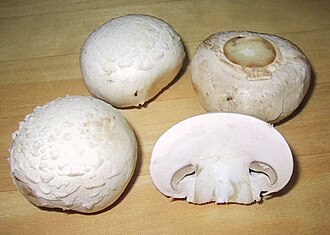
Photo: Wikipedia
The white button mushroom is the world's most cultivated edible fungus, prized for its mild, earthy flavor and firm, meaty texture that softens when cooked. Nutritionally, it's a low-calorie powerhouse, offering a surprising 2.89g of protein per 100g and a solid 1.7g of dietary fiber. Its versatility makes it a blank canvas, readily absorbing sauces and seasonings in the kitchen.
Calorie split: 37% protein · 52% carbs · 11% fat
↓ Full nutrition💚 Why it's loved
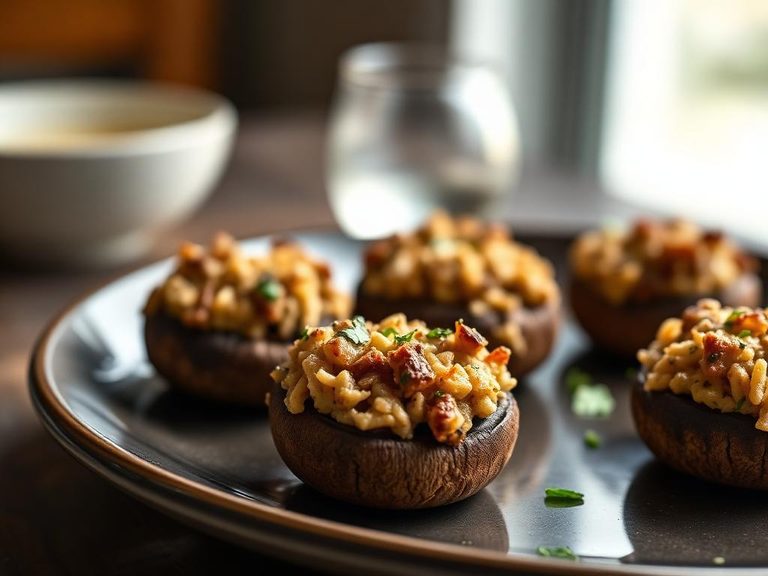
People love white buttons for their incredible culinary versatility—they can be sliced raw into salads, stuffed, grilled whole, or finely chopped into sauces and burgers to add a deep, savory umami backbone without overpowering other flavors. Their mildness makes them a gateway mushroom for picky eaters and a staple in family kitchens worldwide.
⚠️ Watch-outs & how to enjoy it better
Some individuals may experience digestive discomfort like bloating or gas due to the mushroom's chitin content in the cell walls. To counteract this, ensure they are thoroughly cooked, which breaks down chitin, and start with smaller portions if you're new to eating them. Those with specific mushroom allergies should avoid them entirely.
Key benefits
- Excellent low-calorie, high-volume food for weight management.
- Good source of dietary fiber to support digestive health.
- Provides B vitamins like riboflavin and niacin for energy metabolism.
- Contains essential minerals such as selenium and potassium.
- Offers plant-based protein with minimal fat content.
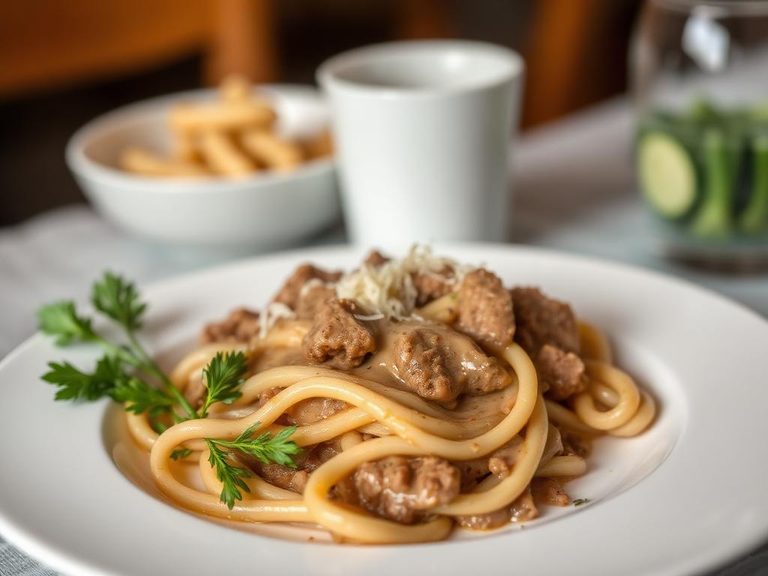
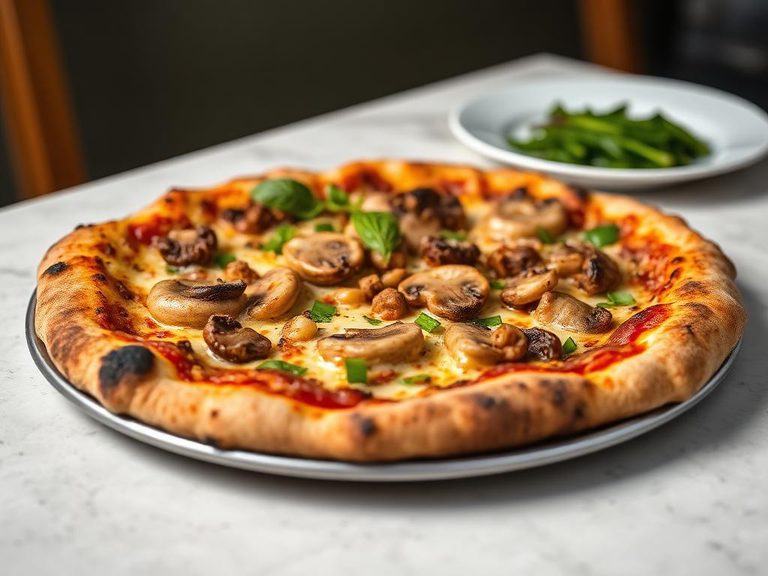
🍽️ Popular dishes
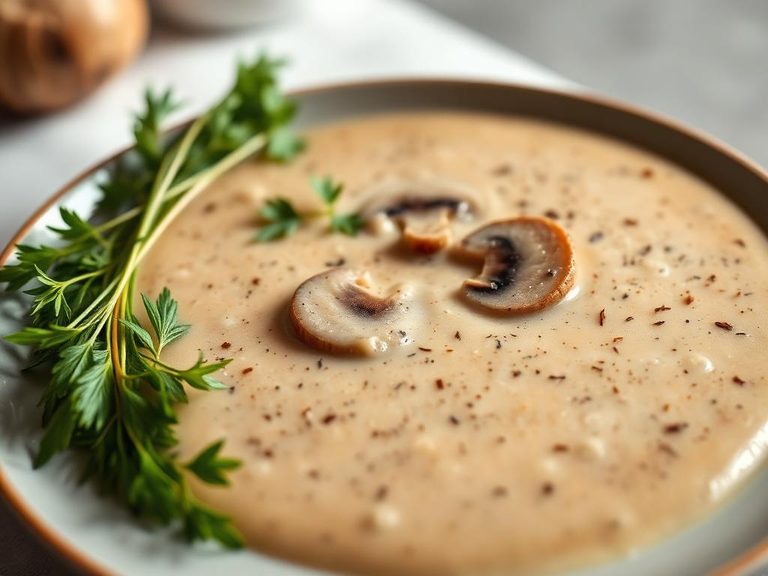
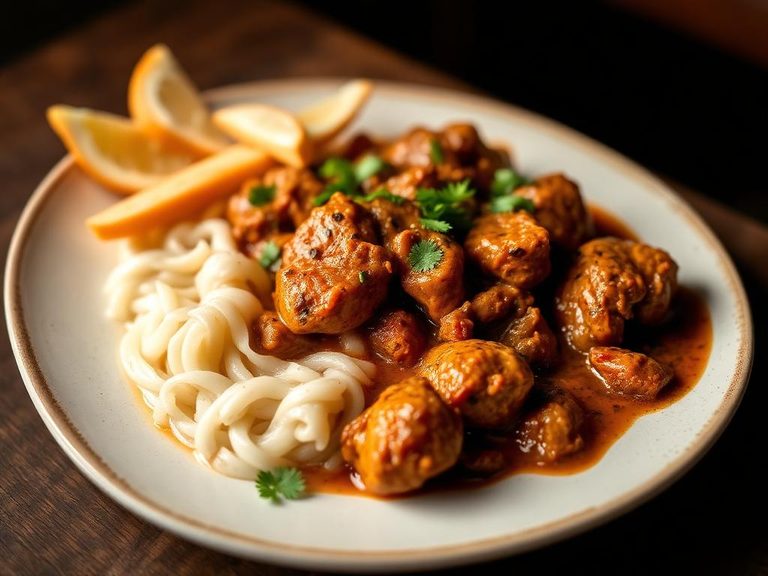
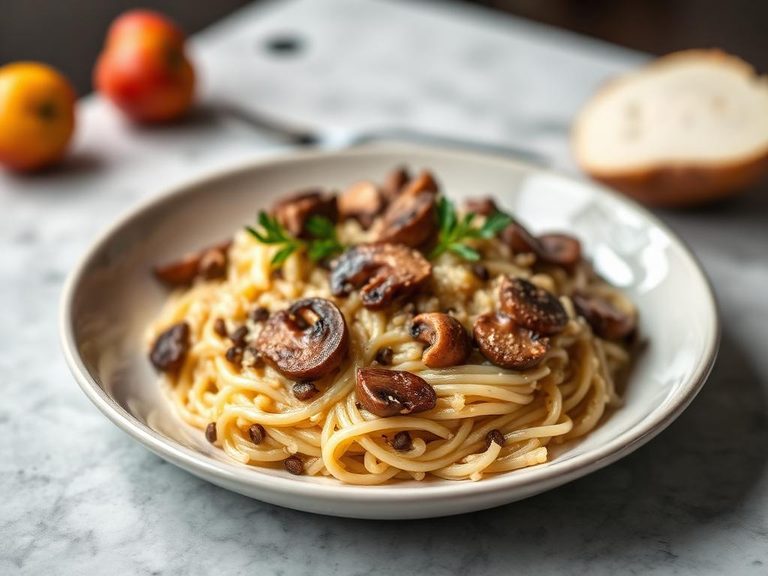
🌍 Where it's eaten
💡 Did you know?
The common white button, cremini, and portobello mushrooms are all the exact same species (Agaricus bisporus) at different stages of maturity—the white button is the youngest, cremini is slightly older, and portobello is fully mature.
Full nutrition (USDA data · scales with serving)
| Water | 91.8 g |
| Energy (Atwater General Factors) | 31.2 kcal |
| Energy (Atwater Specific Factors) | 24.9 kcal |
| Nitrogen | 0.46 g |
| Protein | 2.9 g |
| Total lipid (fat) | 0.37 g |
| Ash | 0.83 g |
| Carbohydrate, by difference | 4.1 g |
| Fiber, total dietary | 1.7 g |
| Beta-glucan | 0.75 g |
| Calcium, Ca | 5.5 mg |
| Iron, Fe | 0.23 mg |
| Magnesium, Mg | 10.2 mg |
| Phosphorus, P | 93.0 mg |
| Potassium, K | 373 mg |
| Sodium, Na | 6.4 mg |
| Zinc, Zn | 0.51 mg |
| Copper, Cu | 0.39 mg |
| Manganese, Mn | 0.05 mg |
| Selenium, Se | 20.1 ug |
| Thiamin | 0.07 mg |
| Riboflavin | 0.44 mg |
| Niacin | 3.9 mg |
| Vitamin B-6 | 0.08 mg |
| Biotin | 9.1 ug |
| Folate, total | 34.8 ug |
| Vitamin D (D2 + D3), International Units | 0.87 iu |
| Vitamin D (D2 + D3) | 0.02 ug |
| Vitamin D2 (ergocalciferol) | 0.02 ug |
| Vitamin D4 | 0.00 ug |
| Glutathione | 4.3 mg |
| Ergosta-7-enol | 1.6 mg |
| Ergosta-5,7-dienol | 5.8 mg |
| Ergosta-7,22-dienol | 1.5 mg |
| Delta-7-Stigmastenol | 0.00 mg |
| Ergothioneine | 4.3 mg |
Fat & fatty acid profile (per 100g)
| Stigmasterol | 0.00 mg |
| Campesterol | 0.00 mg |
| Beta-sitosterol | 0.00 mg |
| Ergosterol | 55.6 mg |
| Beta-sitostanol | 0.00 mg |
| Delta-5-avenasterol | 0.00 mg |
Amino acid profile (per 100g)
| Tryptophan | 0.48 g |
| Threonine | 1.4 g |
| Isoleucine | 1.2 g |
| Leucine | 1.9 g |
| Lysine | 1.7 g |
| Methionine | 0.37 g |
| Phenylalanine | 1.1 g |
| Valine | 2.5 g |
| Histidine | 0.66 g |
FAQ
Are white button mushrooms nutritious?
Yes, they are very nutritious for their calorie count. They are a good source of protein, B vitamins (especially riboflavin), selenium, and potassium, while being low in calories and fat.
How should I store them?
Store them in a paper bag in the refrigerator's main compartment, not the crisper drawer. The paper absorbs excess moisture, preventing sliminess, and they should last for about a week.
Do I need to wash or peel them?
It's best to avoid soaking mushrooms as they are like sponges and will absorb water. Instead, wipe them clean with a damp paper towel or cloth, or give them a very quick rinse under running water and pat dry immediately. Peeling is unnecessary for white buttons.
Nutrient density (calculated · NRF9.3)
Nutrient Rich Foods index: beneficial nutrients (protein, fiber, vitamins, minerals) minus saturated fat, added sugar & sodium, per 100 kcal.
NRF9.3 index — Fulgoni, Keast & Drewnowski, 2009. Computed from USDA nutrients.
Weight-loss friendliness (composite index)
Energy density 0.31 kcal/g · 37% calories from protein · 1.7 g fiber · 0.0 g sugar per 100 g.
Composite of energy density (Rolls et al., 1999), protein & fiber satiety, minus sugar. A calculated heuristic — ranks satiety-per-calorie, not a clinical measure.
Dietary load (calculated from USDA values)
Potential renal acid load. Positive = acid-forming, negative = alkaline-forming.
Sodium-to-potassium ratio: 0.02 (lower is better — aim for ≤ 1)
Sodium:potassium per WHO potassium guidance. Computed from USDA nutrients.