

Spinach, raw
Whole food · Vegetables and Vegetable Products
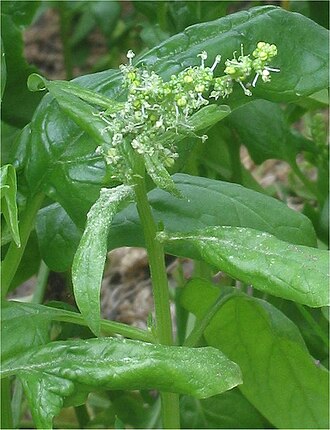
Photo: Wikipedia
Raw spinach is a tender, dark leafy green with a mild, slightly earthy flavor and a delicate, crisp texture. It's a nutritional powerhouse, delivering an impressive amount of vitamin K and vitamin A for very few calories. Its high water content and subtle taste make it a versatile base for a multitude of dishes.
Calorie split: 39% protein · 49% carbs · 12% fat
↓ Full nutrition💚 Why it's loved
People love raw spinach for its mild, non-bitter taste that acts as a perfect canvas for other flavors in salads and smoothies. Its incredible versatility allows it to be eaten by the handful or blended seamlessly into drinks without overpowering them.
⚠️ Watch-outs & how to enjoy it better
Raw spinach contains oxalates, which can bind to minerals like calcium and iron, reducing their absorption and potentially contributing to kidney stones in susceptible individuals. To counteract this, pair spinach with a vitamin C source (like lemon juice) to enhance iron absorption, and consider cooking it occasionally to reduce oxalate content.
Key benefits
- Excellent source of vitamin K for bone health.
- Rich in vitamin A and antioxidants like lutein.
- Very low calorie, high in volume for weight management.
- Good source of dietary fiber for digestive health.
- Contains nitrates which may support heart health.
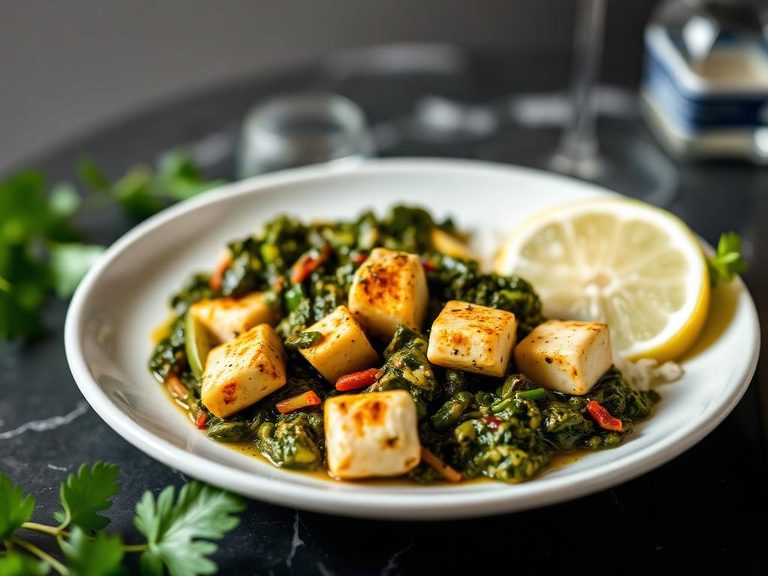
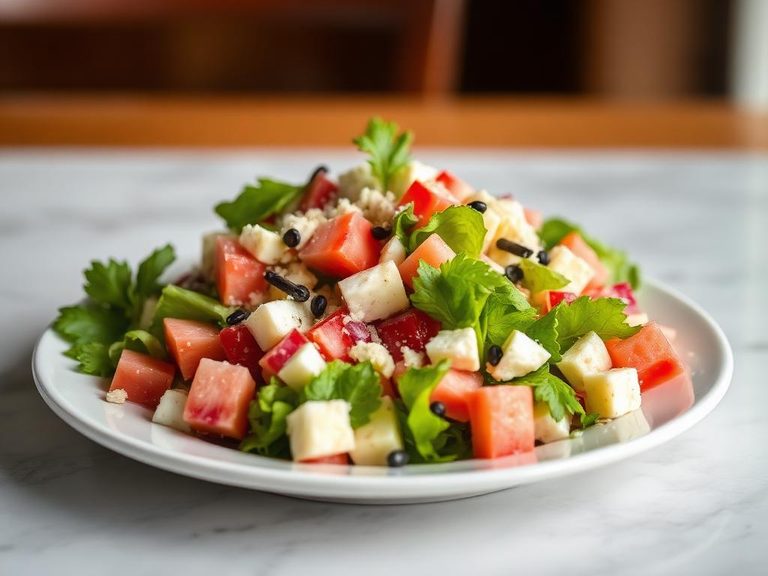
🍽️ Popular dishes
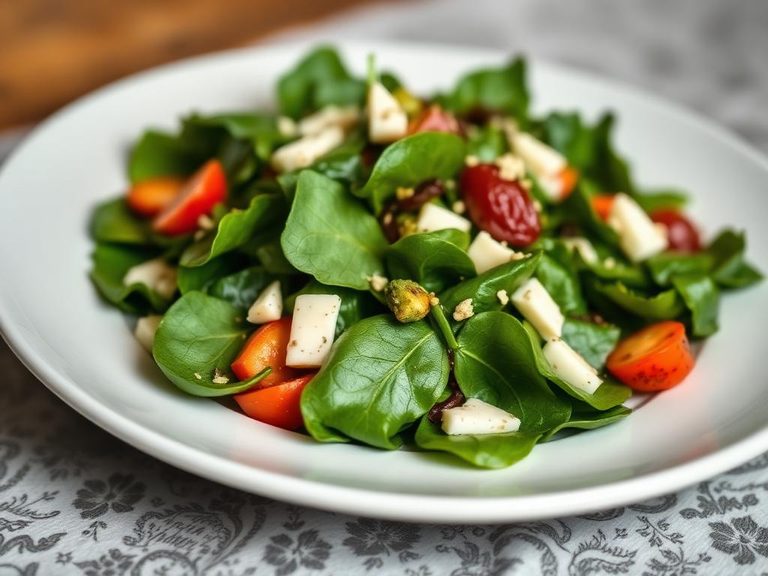
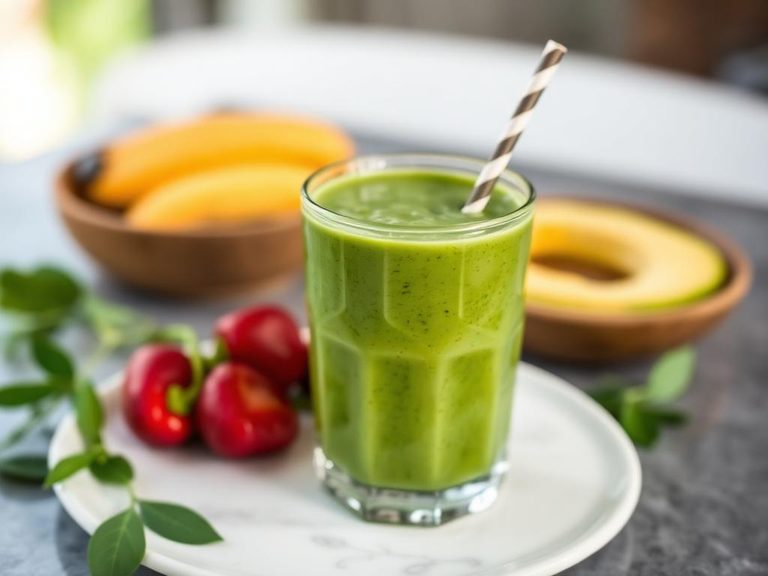
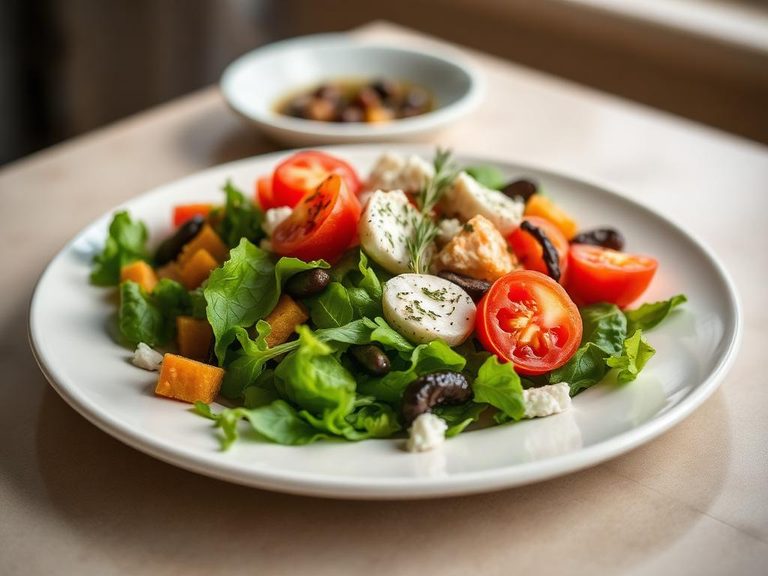

🌍 Where it's eaten
💡 Did you know?
Spinach is a member of the amaranth family, making it more closely related to beets and quinoa than to other common greens like lettuce or cabbage.
Full nutrition (USDA data · scales with serving)
| Water | 91.4 g |
| Energy | 23.0 kcal |
| Energy | 97.0 kj |
| Protein | 2.9 g |
| Total lipid (fat) | 0.39 g |
| Ash | 1.7 g |
| Carbohydrate, by difference | 3.6 g |
| Fiber, total dietary | 2.2 g |
| Total Sugars | 0.42 g |
| Sucrose | 0.07 g |
| Glucose | 0.11 g |
| Fructose | 0.15 g |
| Lactose | 0.00 g |
| Maltose | 0.00 g |
| Galactose | 0.10 g |
| Calcium, Ca | 99.0 mg |
| Iron, Fe | 2.7 mg |
| Magnesium, Mg | 79.0 mg |
| Phosphorus, P | 49.0 mg |
| Potassium, K | 558 mg |
| Sodium, Na | 79.0 mg |
| Zinc, Zn | 0.53 mg |
| Copper, Cu | 0.13 mg |
| Manganese, Mn | 0.90 mg |
| Selenium, Se | 1.0 ug |
| Vitamin C, total ascorbic acid | 28.1 mg |
| Thiamin | 0.08 mg |
| Riboflavin | 0.19 mg |
| Niacin | 0.72 mg |
| Pantothenic acid | 0.07 mg |
| Vitamin B-6 | 0.20 mg |
| Folate, total | 194 ug |
| Folic acid | 0.00 ug |
| Folate, food | 194 ug |
| Folate, DFE | 194 ug |
| Choline, total | 19.3 mg |
| Betaine | 103 mg |
| Vitamin B-12 | 0.00 ug |
| Vitamin B-12, added | 0.00 ug |
| Vitamin A, RAE | 469 ug |
| Retinol | 0.00 ug |
| Carotene, beta | 5626 ug |
| Carotene, alpha | 0.00 ug |
| Cryptoxanthin, beta | 0.00 ug |
| Vitamin A, IU | 9377 iu |
| Lycopene | 0.00 ug |
| Lutein + zeaxanthin | 12198 ug |
| Vitamin E (alpha-tocopherol) | 2.0 mg |
| Vitamin E, added | 0.00 mg |
| Tocopherol, beta | 0.00 mg |
| Tocopherol, gamma | 0.18 mg |
| Tocopherol, delta | 0.00 mg |
| Tocotrienol, alpha | 0.00 mg |
| Tocotrienol, beta | 0.00 mg |
| Tocotrienol, gamma | 0.00 mg |
| Tocotrienol, delta | 0.00 mg |
| Vitamin D (D2 + D3), International Units | 0.00 iu |
| Vitamin D (D2 + D3) | 0.00 ug |
| Vitamin K (phylloquinone) | 483 ug |
| Alcohol, ethyl | 0.00 g |
| Caffeine | 0.00 mg |
| Theobromine | 0.00 mg |
Fat & fatty acid profile (per 100g)
| Fatty acids, total saturated | 0.06 g |
| SFA 4:0 | 0.00 g |
| SFA 6:0 | 0.00 g |
| SFA 8:0 | 0.00 g |
| SFA 10:0 | 0.00 g |
| SFA 12:0 | 0.00 g |
| SFA 14:0 | 0.01 g |
| SFA 16:0 | 0.05 g |
| SFA 18:0 | 0.00 g |
| Fatty acids, total monounsaturated | 0.01 g |
| MUFA 16:1 | 0.01 g |
| MUFA 18:1 | 0.01 g |
| MUFA 20:1 | 0.00 g |
| MUFA 22:1 | 0.00 g |
| Fatty acids, total polyunsaturated | 0.17 g |
| PUFA 18:2 | 0.03 g |
| PUFA 18:3 | 0.14 g |
| PUFA 18:4 | 0.00 g |
| PUFA 20:4 | 0.00 g |
| PUFA 20:5 n-3 (EPA) | 0.00 g |
| PUFA 22:5 n-3 (DPA) | 0.00 g |
| PUFA 22:6 n-3 (DHA) | 0.00 g |
| Fatty acids, total trans | 0.00 g |
| Cholesterol | 0.00 mg |
| Phytosterols | 9.0 mg |
Amino acid profile (per 100g)
| Tryptophan | 0.04 g |
| Threonine | 0.12 g |
| Isoleucine | 0.15 g |
| Leucine | 0.22 g |
| Lysine | 0.17 g |
| Methionine | 0.05 g |
| Cystine | 0.04 g |
| Phenylalanine | 0.13 g |
| Tyrosine | 0.11 g |
| Valine | 0.16 g |
| Arginine | 0.16 g |
| Histidine | 0.06 g |
| Alanine | 0.14 g |
| Aspartic acid | 0.24 g |
| Glutamic acid | 0.34 g |
| Glycine | 0.13 g |
| Proline | 0.11 g |
| Serine | 0.10 g |
FAQ
Is raw spinach safe to eat every day?
Yes, for most people. Its oxalate content is a concern primarily for those with a history of certain kidney stones or specific mineral absorption issues. For healthy individuals, the nutritional benefits of regular consumption generally outweigh the risks.
Why does raw spinach sometimes taste bitter or chalky?
This can be due to high oxalic acid content, which is a natural compound in the plant. Younger, smaller leaves tend to be milder. Washing it thoroughly can also help remove surface compounds.
How do I keep raw spinach from wilting so fast?
Store it unwashed in a container lined with a dry paper towel to absorb excess moisture, and keep it in the crisper drawer of your fridge. Adding a pinch of salt to the washing water can also help preserve crispness.
Nutrient density (calculated · NRF9.3)
Nutrient Rich Foods index: beneficial nutrients (protein, fiber, vitamins, minerals) minus saturated fat, added sugar & sodium, per 100 kcal.
NRF9.3 index — Fulgoni, Keast & Drewnowski, 2009. Computed from USDA nutrients.
Weight-loss friendliness (composite index)
Energy density 0.23 kcal/g · 50% calories from protein · 2.2 g fiber · 0.4 g sugar per 100 g.
Composite of energy density (Rolls et al., 1999), protein & fiber satiety, minus sugar. A calculated heuristic — ranks satiety-per-calorie, not a clinical measure.
Dietary load (calculated from USDA values)
Potential renal acid load. Positive = acid-forming, negative = alkaline-forming.
Sodium-to-potassium ratio: 0.14 (lower is better — aim for ≤ 1)
Sodium:potassium per WHO potassium guidance. Computed from USDA nutrients.