

Whale, beluga, meat, raw (Alaska Native)
Whole food · American Indian/Alaska Native Foods

Photo: Wikipedia
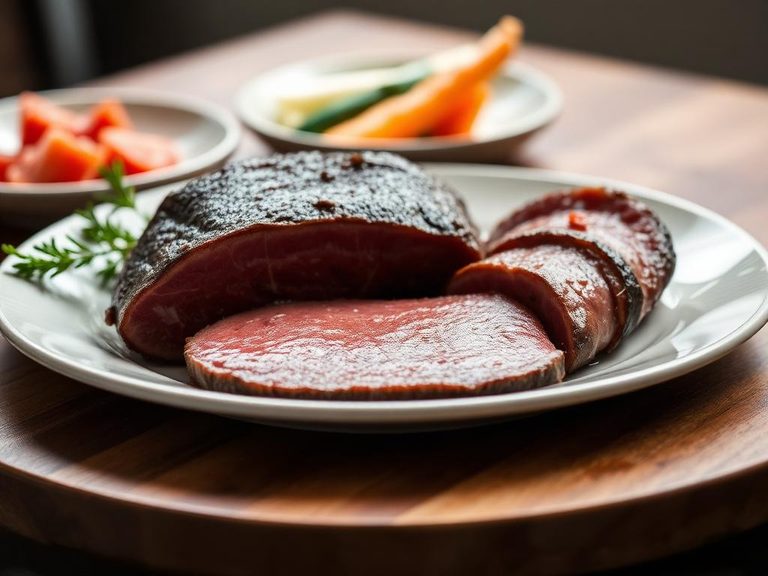
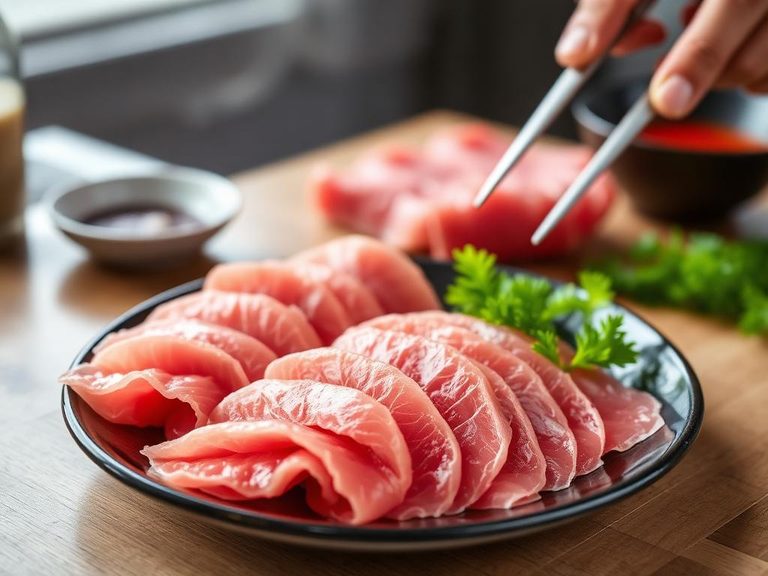
Beluga whale meat is a dense, deep-red, iron-rich muscle meat with a texture often compared to high-grade beef or venison, offering a clean, slightly sweet, and savory marine flavor. Nutritionally, it is an exceptional source of lean protein with virtually no fat or carbohydrates, making it a powerhouse for sustained energy. Its raw form is prized in traditional preparations for its pure, unadulterated taste and firm, yet tender, bite.
Calorie split: 96% protein · 0% carbs · 4% fat
↓ Full nutrition💚 Why it's loved
It is deeply loved for its clean, potent umami flavor that connects people to their ancestral lands and waters. The meat's versatility allows it to be enjoyed raw, dried, or cooked, serving as both a staple food and a centerpiece for cultural ceremonies.
⚠️ Watch-outs & how to enjoy it better
Due to its position as an apex predator, it can contain environmental contaminants like mercury, so consumption should be mindful and occasional. Those unaccustomed to its strong, iron-rich taste or dense texture may find it challenging. To counteract this, it is traditionally served with high-fat accompaniments like seal oil or blubber, which help balance the flavor and aid in the absorption of fat-soluble nutrients.
Key benefits
- Extremely high in complete protein for muscle maintenance.
- Very low in fat and contains zero carbohydrates or sugar.
- Rich in iron and B vitamins, particularly B12, for energy metabolism.
- Provides essential minerals like selenium and phosphorus.
- A traditional, culturally significant food source for Arctic communities.
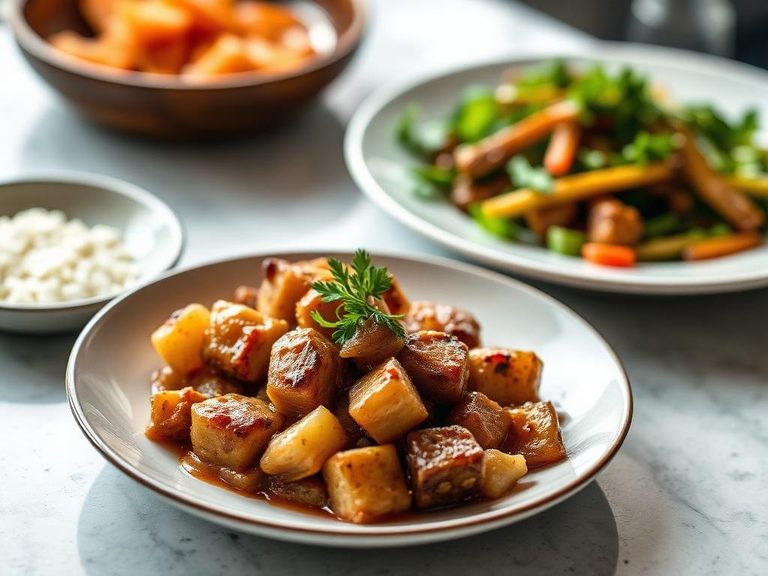
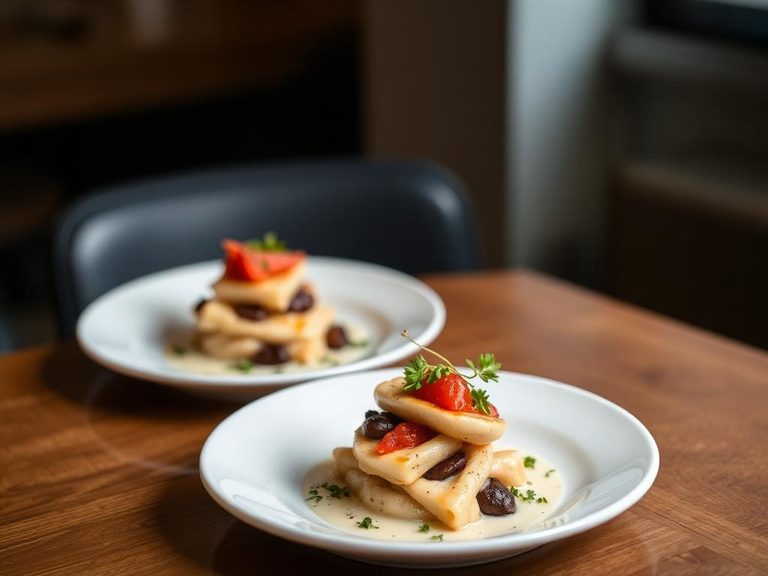
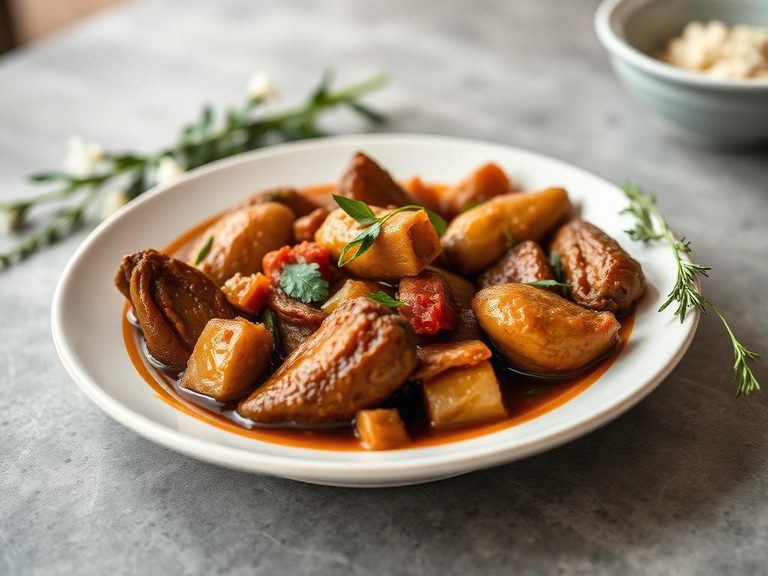
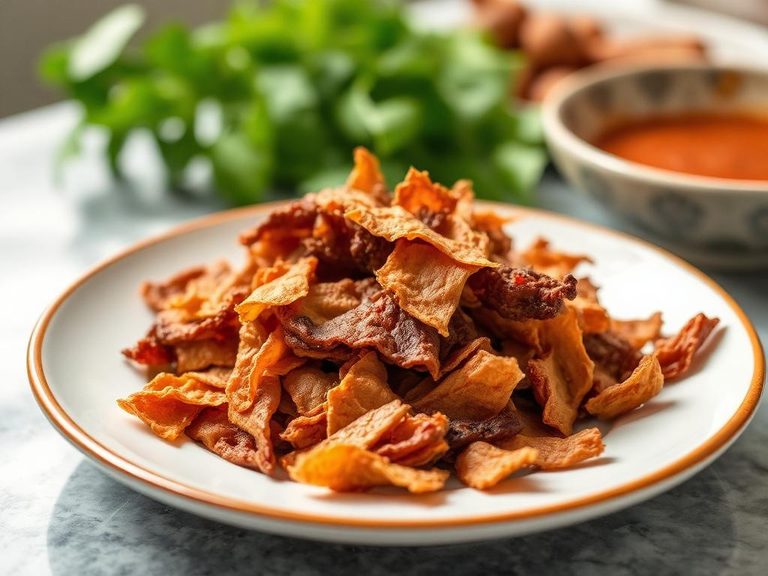
🍽️ Popular dishes
🌍 Where it's eaten
💡 Did you know?
The heart of a beluga whale is so large it can weigh over 200 pounds, and the meat itself was historically used not just for food but also as a key source of fuel for lamps and a material for tools and clothing.
Full nutrition (USDA data · scales with serving)
| Water | 72.5 g |
| Energy | 111 kcal |
| Energy | 462 kj |
| Protein | 26.5 g |
| Total lipid (fat) | 0.50 g |
| Ash | 0.60 g |
| Carbohydrate, by difference | 0.00 g |
| Fiber, total dietary | 0.00 g |
| Total Sugars | 0.00 g |
| Sucrose | 0.00 g |
| Glucose | 0.00 g |
| Fructose | 0.00 g |
| Lactose | 0.00 g |
| Maltose | 0.00 g |
| Galactose | 0.00 g |
| Starch | 0.00 g |
| Calcium, Ca | 7.0 mg |
| Iron, Fe | 25.9 mg |
| Magnesium, Mg | 22.0 mg |
| Phosphorus, P | 239 mg |
| Potassium, K | 283 mg |
| Sodium, Na | 78.0 mg |
| Zinc, Zn | 2.8 mg |
| Copper, Cu | 0.11 mg |
| Manganese, Mn | 0.05 mg |
| Selenium, Se | 36.5 ug |
| Vitamin C, total ascorbic acid | 0.00 mg |
| Thiamin | 0.01 mg |
| Riboflavin | 0.18 mg |
| Niacin | 5.4 mg |
| Pantothenic acid | 0.59 mg |
| Vitamin B-6 | 0.05 mg |
| Folate, total | 4.0 ug |
| Folic acid | 0.00 ug |
| Folate, food | 4.0 ug |
| Folate, DFE | 4.0 ug |
| Choline, total | 35.1 mg |
| Betaine | 13.8 mg |
| Vitamin B-12 | 2.6 ug |
| Vitamin B-12, added | 0.00 ug |
| Vitamin A, RAE | 102 ug |
| Retinol | 102 ug |
| Carotene, beta | 0.00 ug |
| Carotene, alpha | 0.00 ug |
| Cryptoxanthin, beta | 0.00 ug |
| Vitamin A, IU | 340 iu |
| Lycopene | 0.00 ug |
| Lutein + zeaxanthin | 0.00 ug |
| Tocopherol, beta | 0.00 mg |
| Tocopherol, gamma | 0.00 mg |
| Tocopherol, delta | 0.00 mg |
| Vitamin K (phylloquinone) | 0.00 ug |
| Alcohol, ethyl | 0.00 g |
| Caffeine | 0.00 mg |
| Theobromine | 0.00 mg |
Fat & fatty acid profile (per 100g)
| Fatty acids, total saturated | 0.09 g |
| SFA 8:0 | 0.00 g |
| SFA 10:0 | 0.00 g |
| SFA 12:0 | 0.00 g |
| SFA 14:0 | 0.02 g |
| SFA 15:0 | 0.00 g |
| SFA 16:0 | 0.05 g |
| SFA 17:0 | 0.00 g |
| SFA 18:0 | 0.01 g |
| SFA 20:0 | 0.00 g |
| SFA 22:0 | 0.00 g |
| SFA 24:0 | 0.00 g |
| Fatty acids, total monounsaturated | 0.34 g |
| MUFA 14:1 | 0.00 g |
| MUFA 15:1 | 0.00 g |
| MUFA 16:1 | 0.12 g |
| MUFA 17:1 | 0.00 g |
| MUFA 18:1 | 0.15 g |
| MUFA 20:1 | 0.05 g |
| MUFA 22:1 | 0.02 g |
| MUFA 24:1 c | 0.00 g |
| Fatty acids, total polyunsaturated | 0.03 g |
| PUFA 18:2 | 0.00 g |
| PUFA 18:3 | 0.00 g |
| PUFA 18:4 | 0.00 g |
| PUFA 20:2 n-6 c,c | 0.00 g |
| PUFA 20:3 | 0.00 g |
| PUFA 20:4 | 0.00 g |
| PUFA 20:5 n-3 (EPA) | 0.00 g |
| PUFA 21:5 | 0.00 g |
| PUFA 22:4 | 0.00 g |
| PUFA 22:5 n-3 (DPA) | 0.00 g |
| PUFA 22:6 n-3 (DHA) | 0.01 g |
| Cholesterol | 80.0 mg |
Amino acid profile (per 100g)
Estimated from Whale, beluga, meat, dried (Alaska Native) — USDA does not publish this profile for Whale.
| Tryptophan | 0.80 g |
| Threonine | 2.7 g |
| Isoleucine | 2.7 g |
| Leucine | 5.8 g |
| Lysine | 6.3 g |
| Methionine | 1.4 g |
| Cystine | 0.42 g |
| Phenylalanine | 2.9 g |
| Tyrosine | 1.9 g |
| Valine | 2.8 g |
| Arginine | 3.8 g |
| Histidine | 3.0 g |
| Alanine | 4.3 g |
| Aspartic acid | 5.8 g |
| Glutamic acid | 9.6 g |
| Glycine | 4.1 g |
| Proline | 3.5 g |
| Serine | 2.4 g |
FAQ
What does raw beluga meat taste like?
It has a clean, savory, and slightly sweet flavor reminiscent of high-quality raw beef or tuna, but with a distinct, mild marine note. The texture is firm and dense.
Is it safe to eat raw?
In traditional contexts, it is prepared and consumed raw by communities with generations of knowledge in handling and aging the meat. For others, the primary concern is not parasites but potential bacterial contamination and the high concentration of environmental toxins, so it is not generally recommended.
How is it different from other whale meats?
Beluga meat is typically darker, denser, and leaner than many other whale species. Its specific flavor and texture are tied to its diet and the cold Arctic waters it inhabits.
Nutrient density (calculated · NRF9.3)
Nutrient Rich Foods index: beneficial nutrients (protein, fiber, vitamins, minerals) minus saturated fat, added sugar & sodium, per 100 kcal.
NRF9.3 index — Fulgoni, Keast & Drewnowski, 2009. Computed from USDA nutrients.
Weight-loss friendliness (composite index)
Energy density 1.11 kcal/g · 95% calories from protein · 0.0 g fiber · 0.0 g sugar per 100 g.
Composite of energy density (Rolls et al., 1999), protein & fiber satiety, minus sugar. A calculated heuristic — ranks satiety-per-calorie, not a clinical measure.
Dietary load (calculated from USDA values)
Potential renal acid load. Positive = acid-forming, negative = alkaline-forming.
Sodium-to-potassium ratio: 0.28 (lower is better — aim for ≤ 1)
Sodium:potassium per WHO potassium guidance. Computed from USDA nutrients.