Aged or fermented beluga meat
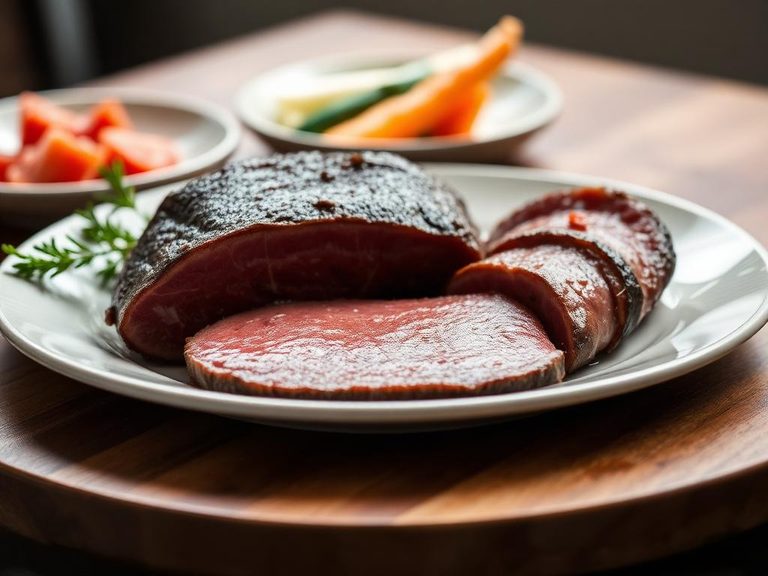
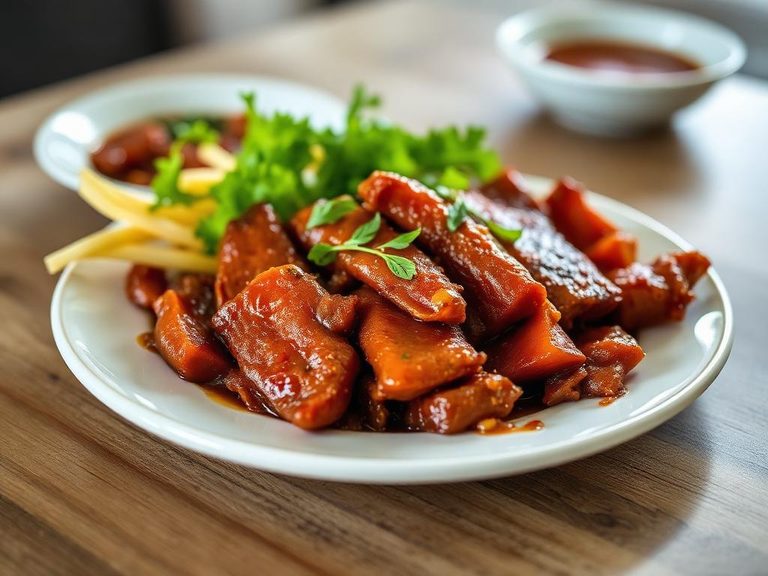
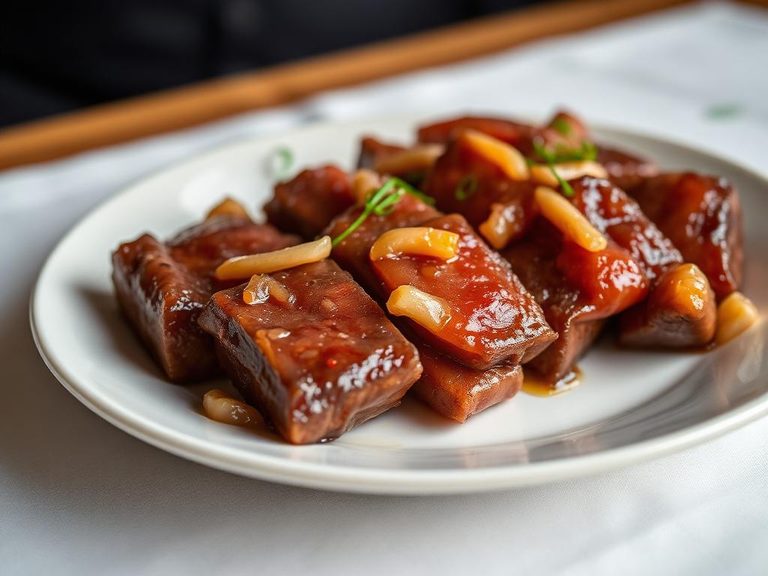
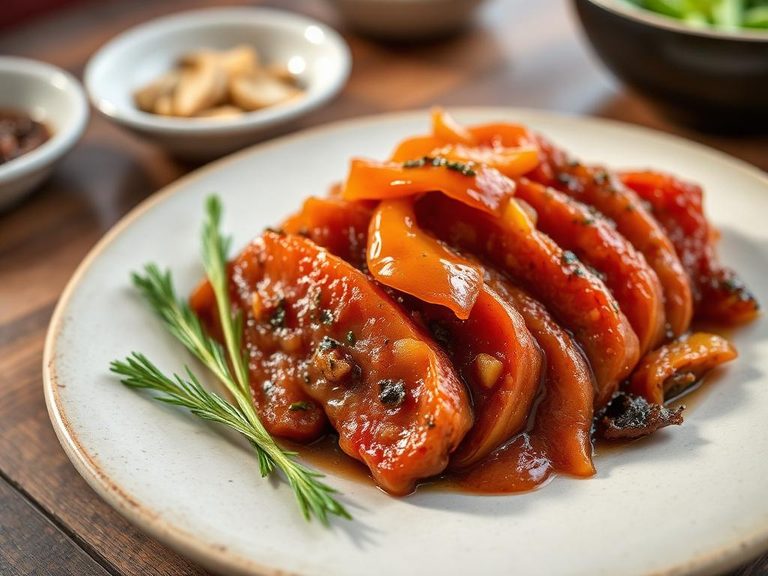
Aged or fermented beluga meat is a traditional preservation method originating from Arctic and sub-Arctic coastal communities, particularly among Inuit and Yup'ik peoples. It typically involves fermenting the meat of the Beluga whale (a type of toothed whale) in underground pits or controlled environments for months or even years, resulting in a pungent, tender delicacy.
🍽️ Nutrition at a glance
This dish is extremely high in protein and fat, providing a dense source of energy essential in cold climates. It is very low in carbohydrates and offers significant amounts of omega-3 fatty acids, vitamin D, and minerals like iron and selenium.
Nutrition breakdown
| Calories | 400 kcal |
| Protein | 25 g |
| Carbs | 0 g |
| Fat | 35 g |
| Fiber | 0 g |
| Sugar | 0 g |
| Sodium | 800 mg |
| Vitamin D | 10-15 µg (50-75% DV) |
| Omega-3 (EPA+DHA) | 2-3 g |
| Iron | 4-6 mg (25-30% DV) |
| Selenium | 30-40 µg (55-70% DV) |
| Vitamin B12 | 10-15 µg (400-600% DV) |
| Zinc | 3-5 mg (25-45% DV) |
| Potassium | 350 mg |
| Phosphorus | 250 mg |
Per 100 grams (about 3.5 ounces) · estimated, varies by recipe
💡 What's interesting
Culturally, fermented beluga meat (often called 'maktaaq' or 'muktuk' when including the skin and blubber) is a prized ceremonial food and a vital source of nutrition in regions with limited plant-based options. The fermentation process enhances its nutritional profile by increasing bioavailability of certain nutrients and producing beneficial probiotics.