Fermented walrus meat
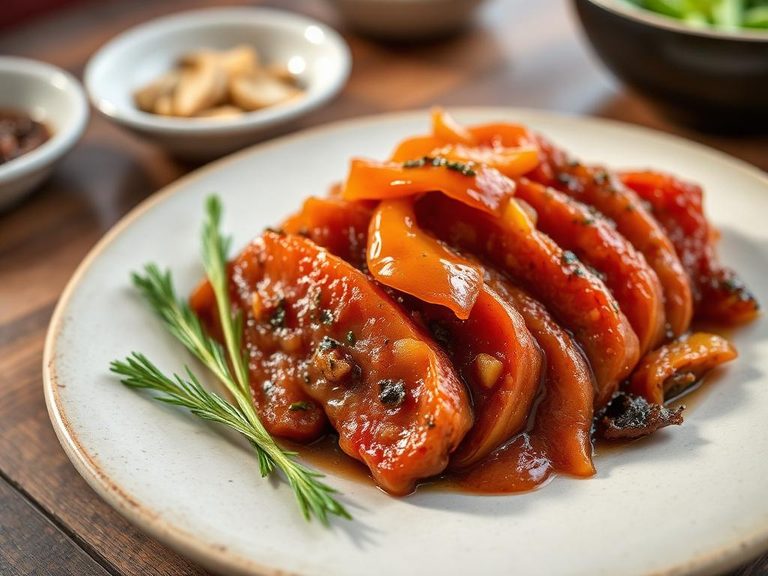
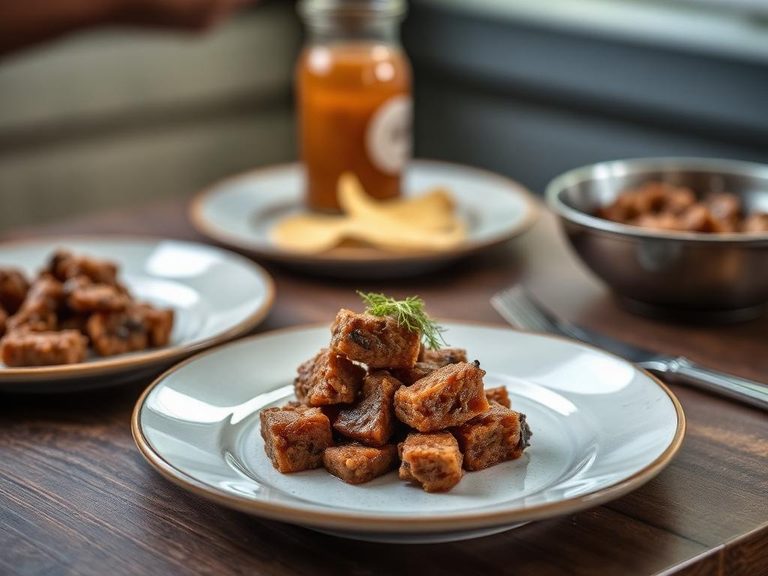
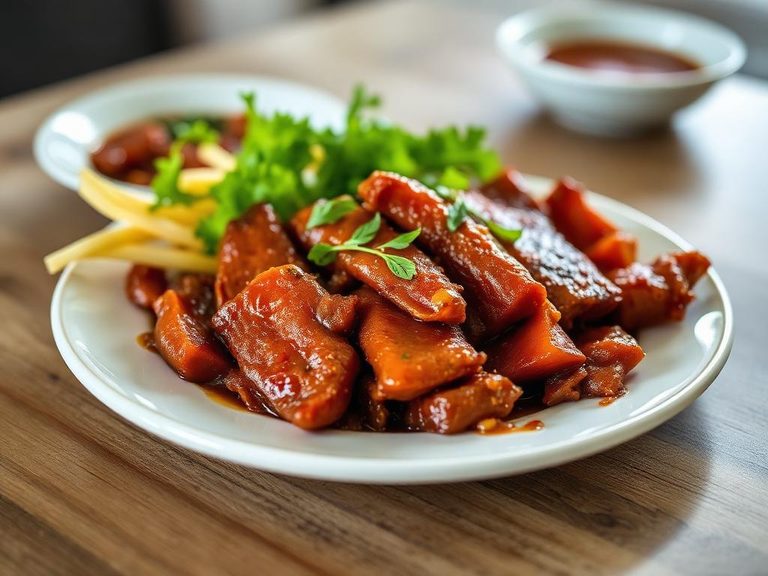
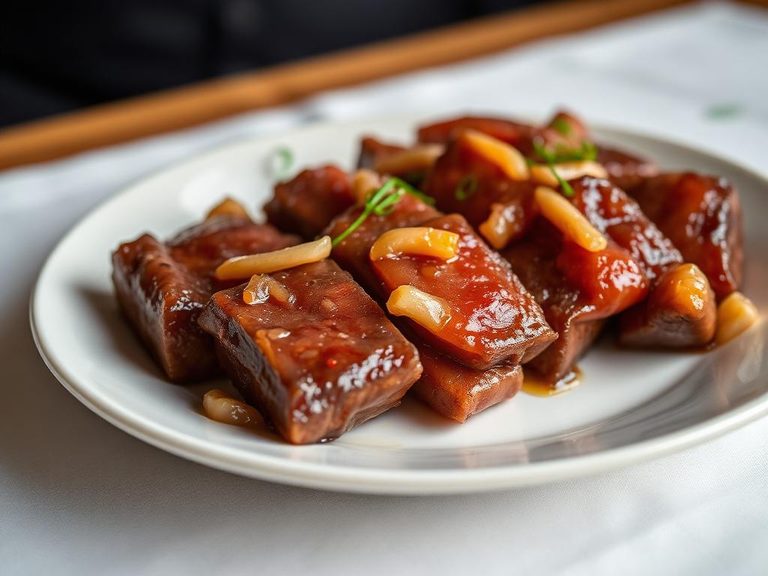
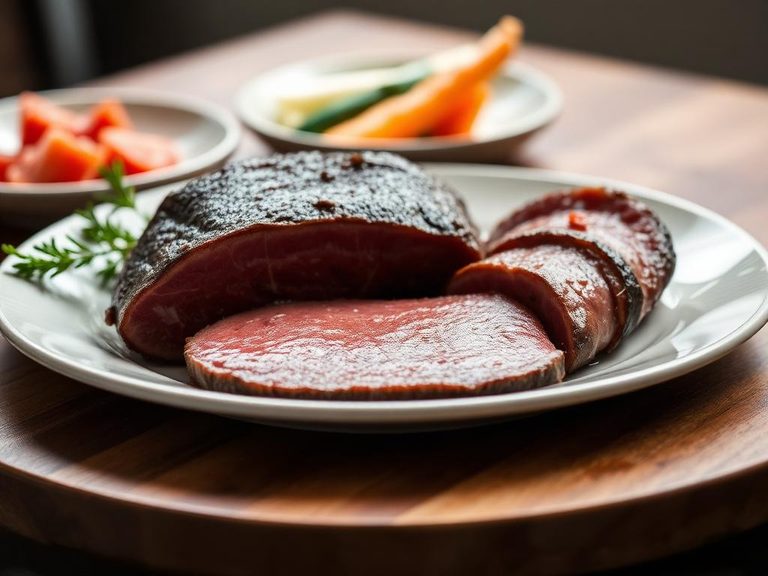
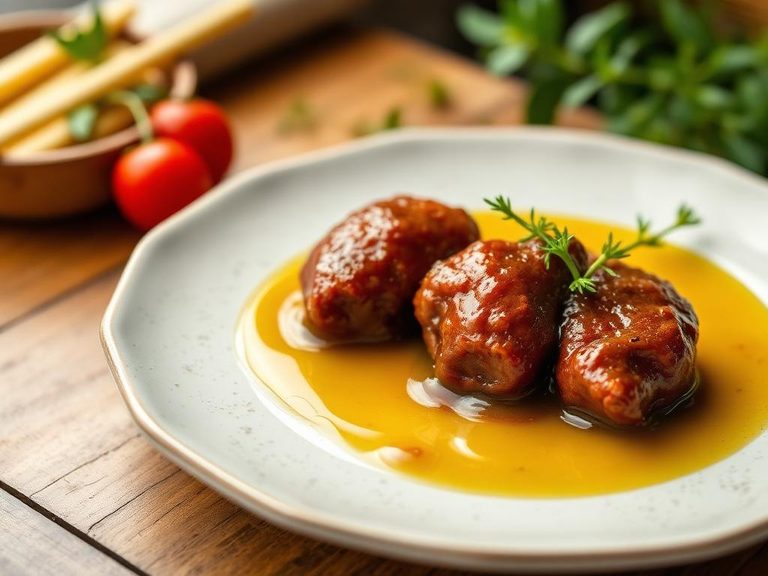
Fermented walrus meat, known as 'muktuk' or 'igunaq' in some Arctic cultures, is a traditional Inuit and Yup'ik dish made from the skin and underlying fat of the walrus, which is fermented in a controlled environment. The primary ingredient is raw walrus skin and fat, often seasoned with salt and sometimes sealskin or other marine mammal fats to aid fermentation. It is a staple food in coastal Arctic regions of Alaska, Canada, and Greenland.
🍽️ Nutrition at a glance
This dish is extremely high in fat and protein, with virtually no carbohydrates, providing a dense source of calories and essential fatty acids. Key nutrients include omega-3 fatty acids, vitamin D, and vitamin C (from fermentation), with a single serving offering roughly 400-600 kcal.
Nutrition breakdown
| Calories | 450 kcal |
| Protein | 15 g |
| Carbs | 0 g |
| Fat | 42 g |
| Fiber | 0 g |
| Sugar | 0 g |
| Sodium | 300 mg |
| Vitamin D | 10 µg |
| Vitamin C | 15 mg |
| Omega-3 Fatty Acids | 3 g |
| Vitamin B12 | 8 µg |
| Selenium | 25 µg |
| Phosphorus | 200 mg |
| Iron | 2 mg |
| Zinc | 3 mg |
Per 100 grams (about 3.5 oz) · estimated, varies by recipe
💡 What's interesting
Fermented walrus meat is culturally significant as a preserved food that provides vital nutrients like vitamin C in the harsh Arctic winter, preventing scurvy. Its unique fermentation process develops a strong, pungent flavor and soft texture, making it a prized delicacy often shared during community gatherings.