Smoked walrus meat
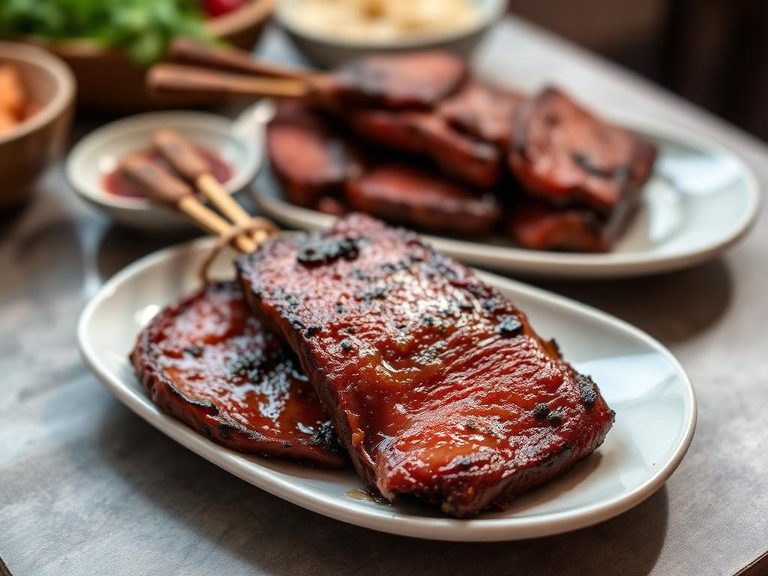
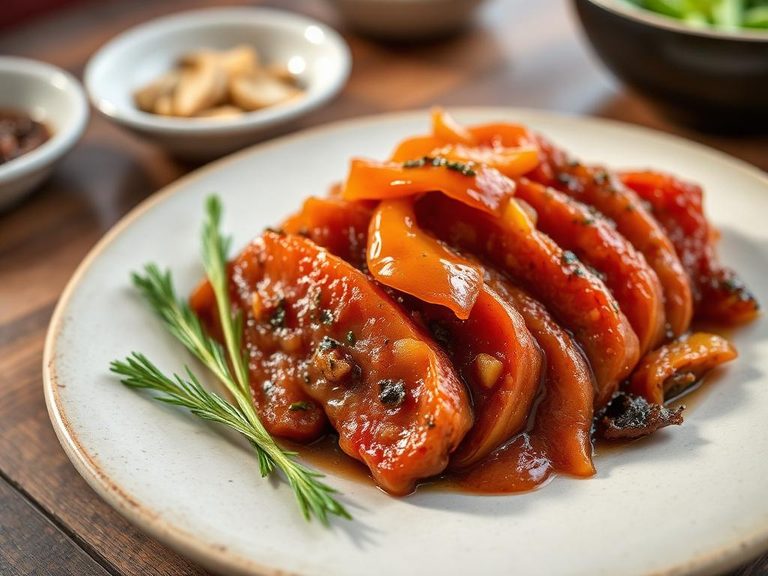
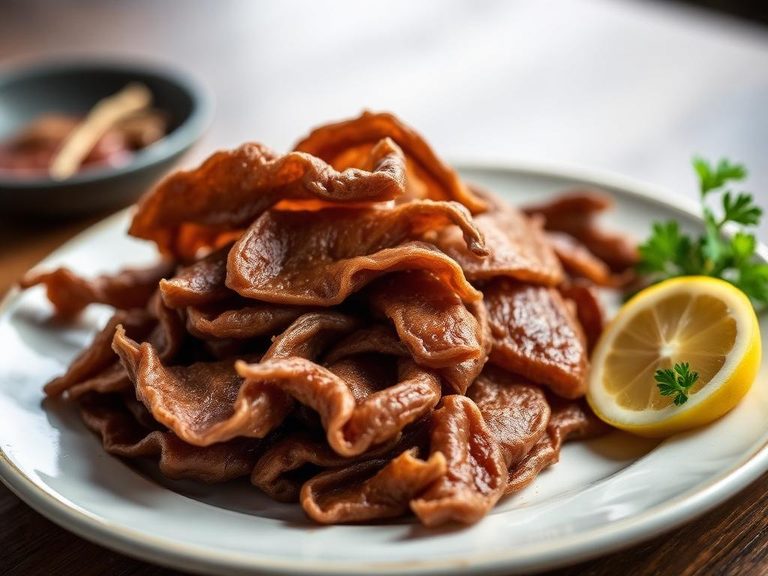
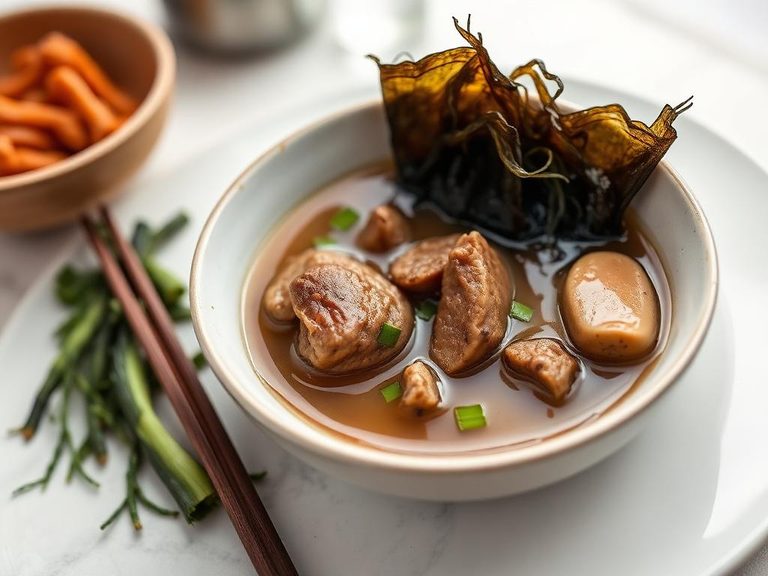
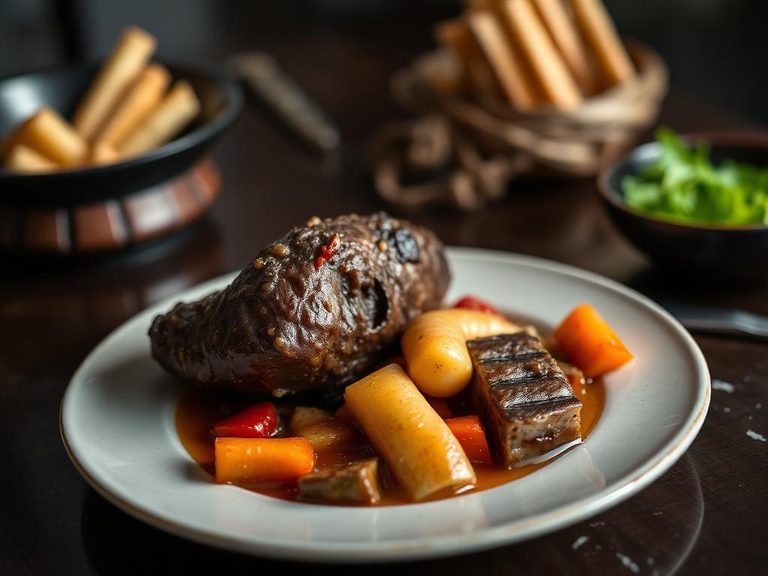
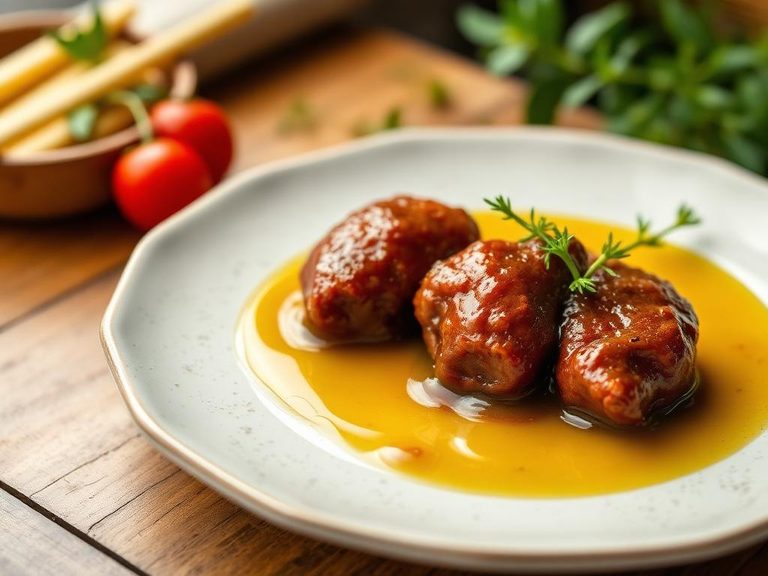
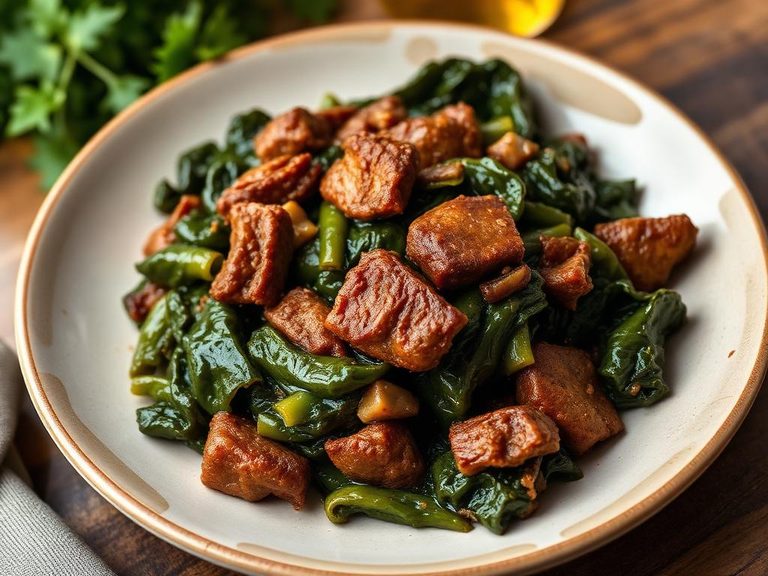
Smoked walrus meat is a traditional Arctic delicacy, primarily prepared by indigenous communities like the Inuit, Yup'ik, and Chukchi peoples. The meat is typically cut into strips, hung to air-dry, and then smoked over a slow fire, often using driftwood or whale oil for fuel. It is sometimes fermented before or after smoking, resulting in a pungent, deeply savory product that can be eaten directly or used in stews.
🍽️ Nutrition at a glance
This dish is extremely high in protein and fat, with virtually no carbohydrates, providing a dense source of energy. Key nutrients include omega-3 fatty acids, iron, zinc, and vitamin B12, essential for survival in cold climates. A typical 100g serving can contain upwards of 400-500 calories.
Nutrition breakdown
| Calories | 450 kcal |
| Protein | 30 g |
| Carbs | 0 g |
| Fat | 35 g |
| Fiber | 0 g |
| Sugar | 0 g |
| Sodium | 800 mg |
| Vitamin B12 | 8 µg |
| Iron | 5 mg |
| Zinc | 12 mg |
| Selenium | 45 µg |
| Phosphorus | 300 mg |
| Omega-3 (EPA+DHA) | 1.5 g |
| Niacin (B3) | 8 mg |
| Potassium | 350 mg |
Per 1 piece (100 g) · estimated, varies by recipe
💡 What's interesting
The smoking and fermentation process not only preserves the meat for months but also creates a unique umami-rich flavor profile prized in Arctic cuisine. Nutritionally, it's a powerhouse of long-chain omega-3s (EPA and DHA) from the walrus's marine diet, which are crucial for brain and heart health.