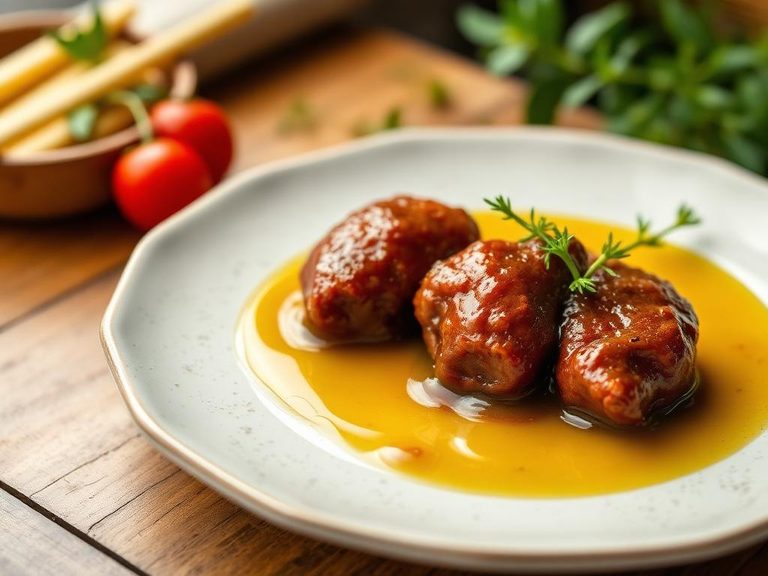
Walrus stew
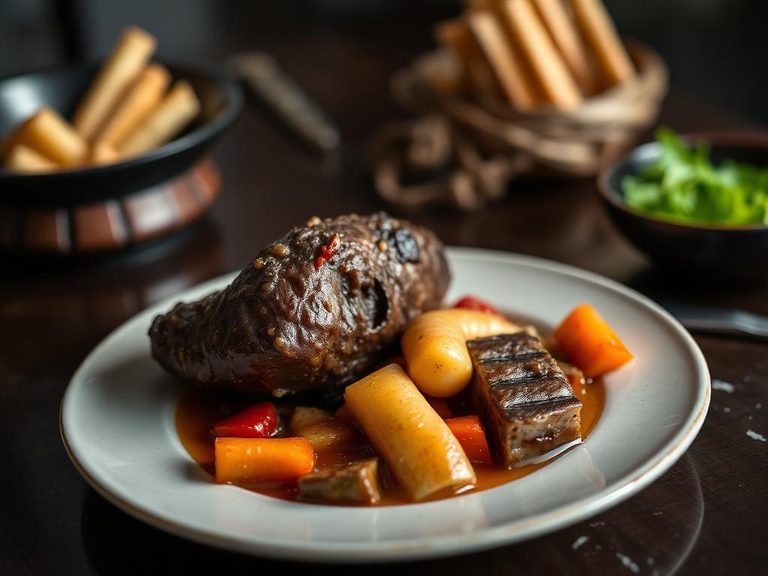
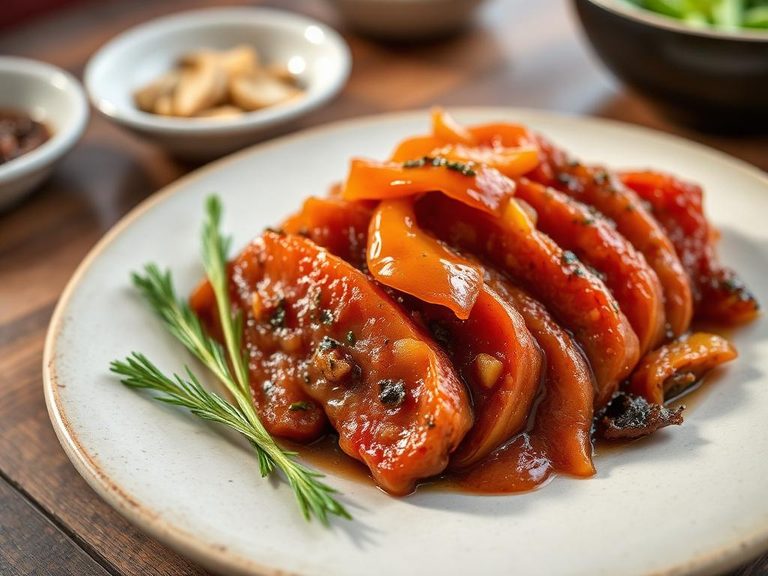
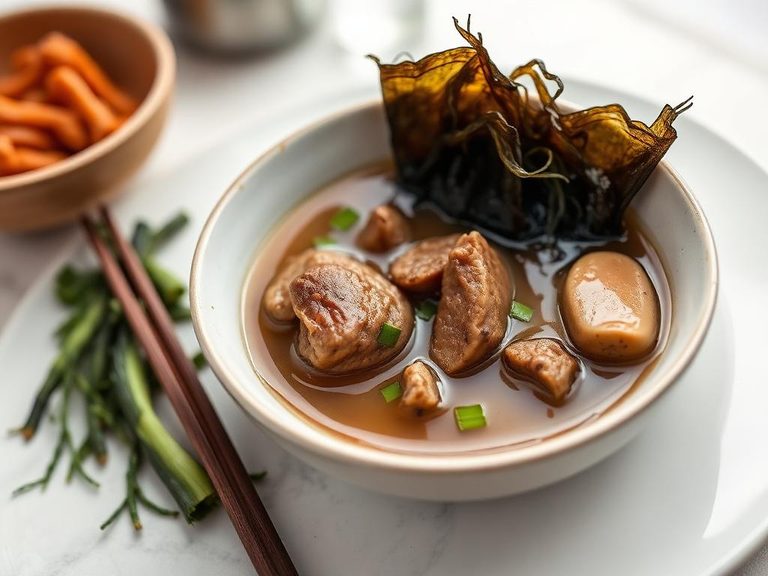
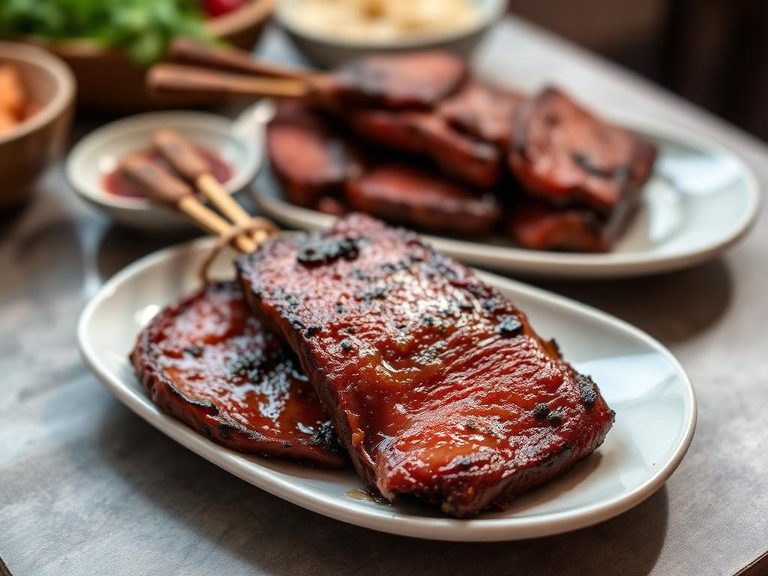
Walrus stew is a traditional, hearty dish from Arctic and subarctic regions, particularly associated with Inuit and Yup'ik cultures. It is a slow-cooked stew primarily featuring walrus meat, often prepared with local root vegetables, seaweed, or preserved fats for flavor and sustenance. This dish is a testament to resourcefulness, utilizing a key marine mammal that has been a vital food source for coastal communities for centuries.
🍽️ Nutrition at a glance
Walrus stew is extremely high in protein and fat, providing a dense source of energy crucial for cold climates. It is a significant source of iron, vitamin B12, and omega-3 fatty acids, with a single serving containing a substantial calorie count, likely ranging from 400 to 600 kcal.
Nutrition breakdown
| Calories | 520 kcal |
| Protein | 35 g |
| Carbs | 15 g |
| Fat | 36 g |
| Fiber | 2 g |
| Sugar | 4 g |
| Sodium | 680 mg |
| Vitamin B12 | 8.2 mcg |
| Iron | 4.8 mg |
| Zinc | 6.1 mg |
| Selenium | 42 mcg |
| Potassium | 580 mg |
| Phosphorus | 310 mg |
| Omega-3 (EPA+DHA) | 1.2 g |
| Vitamin C | 5 mg |
Per 1 cup (250 g) · estimated, varies by recipe
💡 What's interesting
Culturally, walrus stew represents a deep connection to the land and sea, with traditional preparation methods passed down through generations. Nutritionally, walrus meat is unique for its high content of vitamin C, which is rare in animal flesh and historically helped prevent scurvy in Arctic communities.