Walrus oil
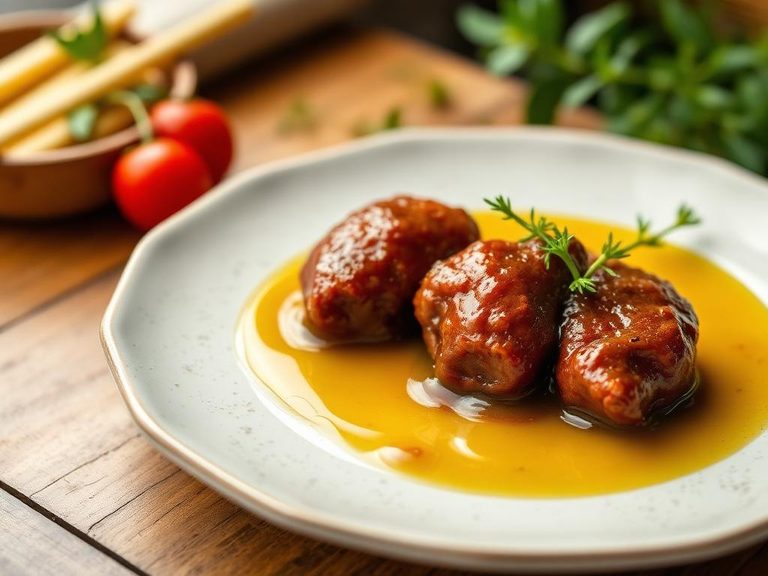
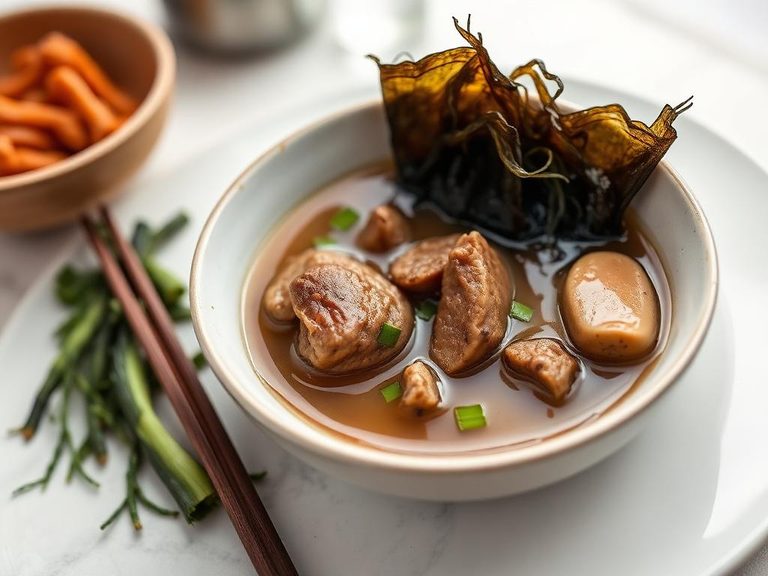
Walrus oil, also known as 'Oosik' or 'Muktuk' oil, is a traditional, nutrient-dense food preparation from Arctic Indigenous cultures, particularly among Inuit, Yup'ik, and Chukchi peoples. It is not a standalone dish but a rendered fat or oil derived from the blubber of walrus, often consumed alongside other parts like skin and meat. The oil is typically extracted by rendering the thick layer of fat found beneath the skin, sometimes mixed with other animal fats or preserved with traditional methods.
🍽️ Nutrition at a glance
Walrus oil is extremely high in fat, providing a dense source of calories and essential fatty acids, with virtually no carbohydrates. It is a rich source of fat-soluble vitamins like Vitamin D and Vitamin A, which are crucial in low-sunlight Arctic environments, and contains a good amount of protein if consumed with attached tissue.
Nutrition breakdown
| Calories | 120 kcal |
| Protein | 0 g |
| Carbs | 0 g |
| Fat | 14 g |
| Fiber | 0 g |
| Sugar | 0 g |
| Sodium | 0 mg |
| Vitamin D | 2.5 mcg |
| Vitamin A | 120 mcg RAE |
| Vitamin E | 1.2 mg |
| Omega-3 (EPA+DHA) | 1.8 g |
| Monounsaturated Fat | 6.5 g |
| Polyunsaturated Fat | 4.2 g |
| Saturated Fat | 3.3 g |
Per 1 tablespoon (14 g) · estimated, varies by recipe
💡 What's interesting
Culturally, walrus oil is a cornerstone of traditional Arctic subsistence diets, valued for its high caloric density to provide energy and warmth in extreme cold. Nutritionally, it's unique for its very high content of omega-3 fatty acids and fat-soluble vitamins, which historically protected against deficiencies like rickets and scurvy.