Pemmican with walrus meat
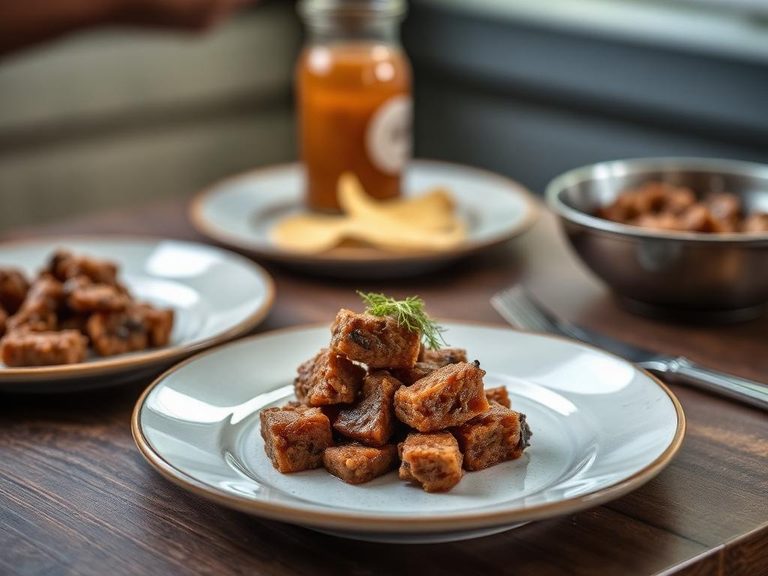
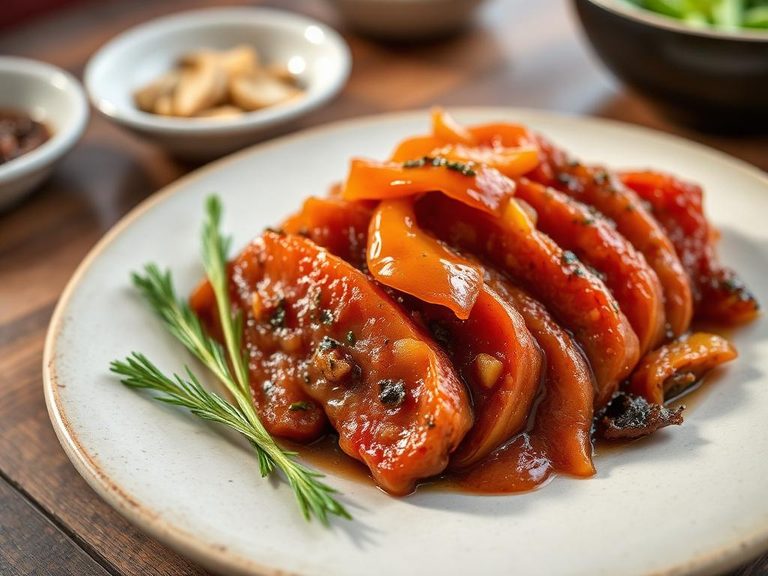
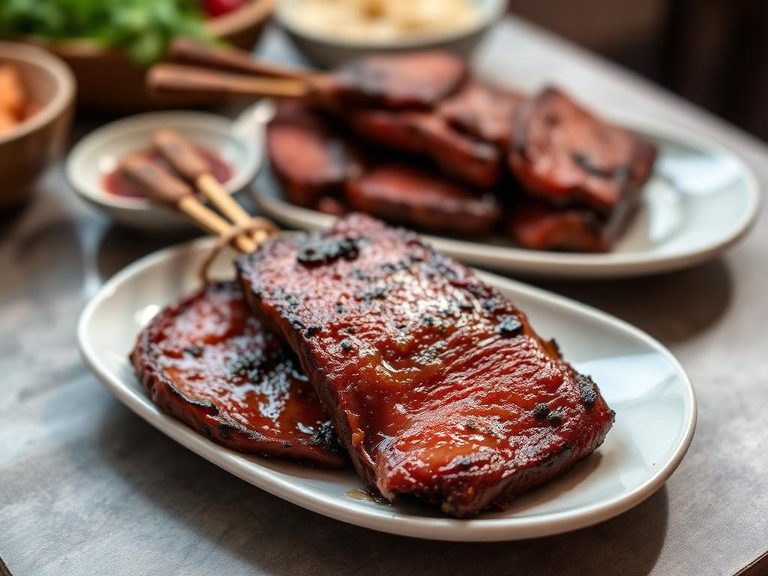
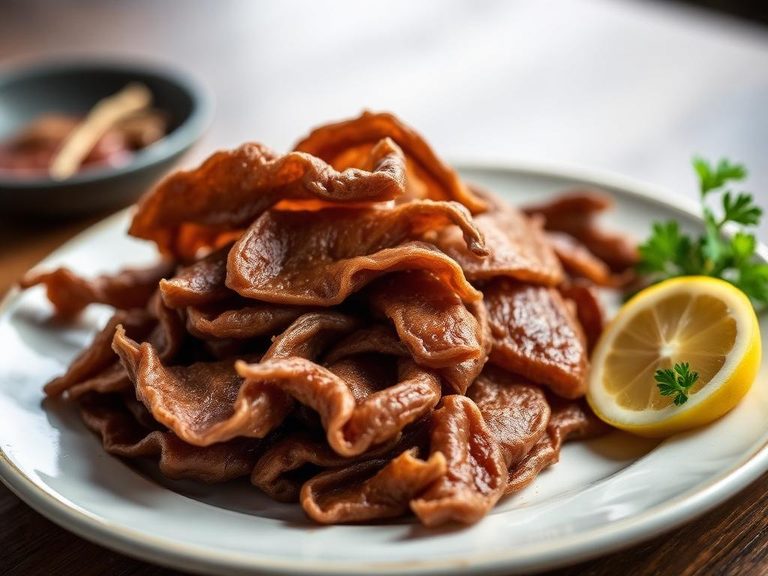
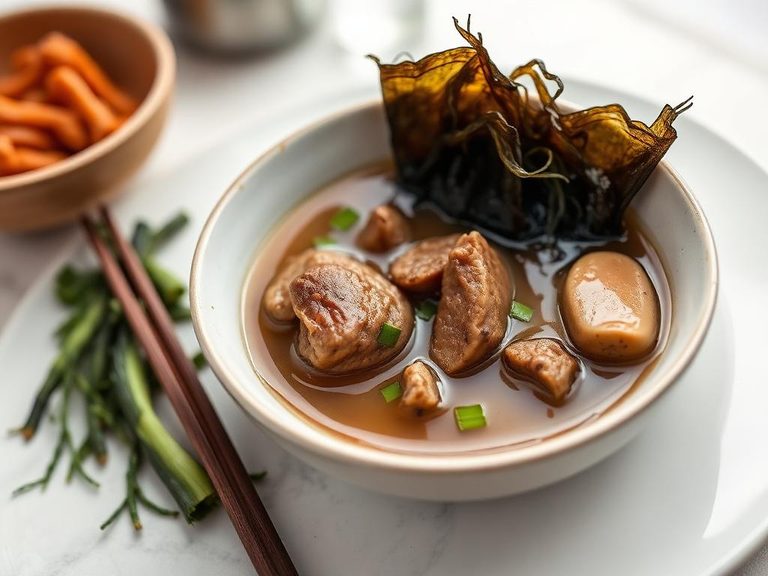
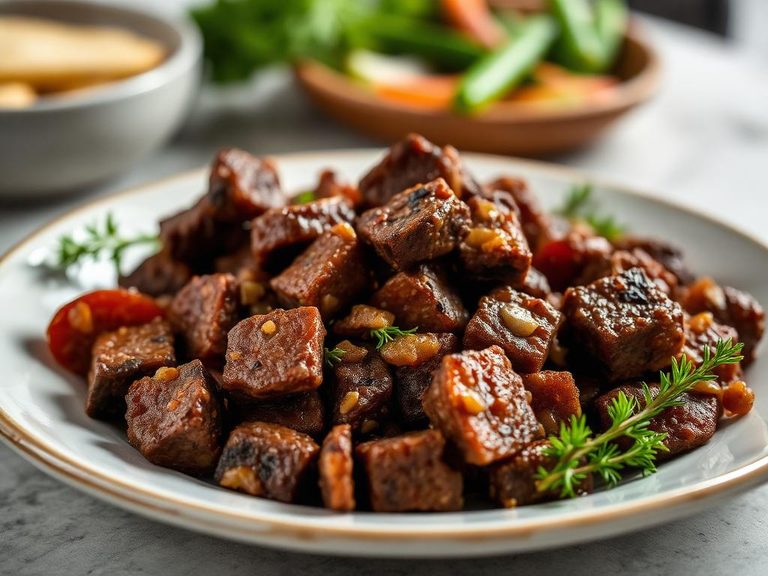
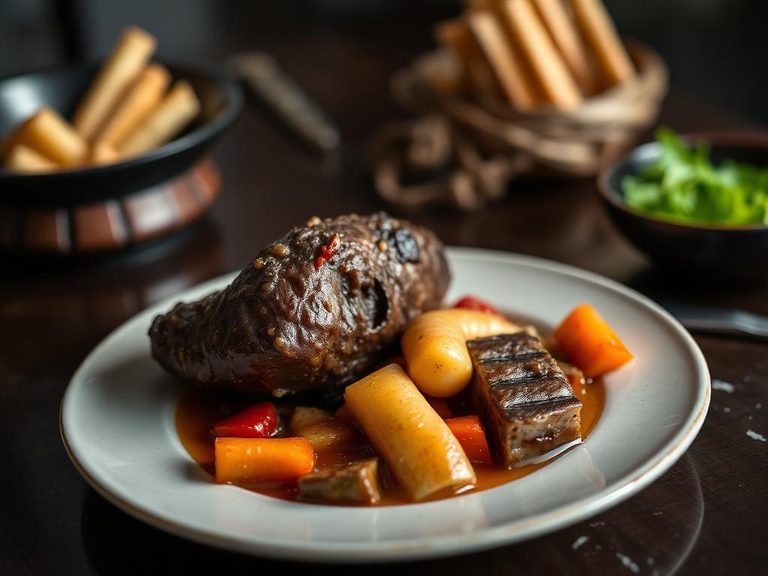
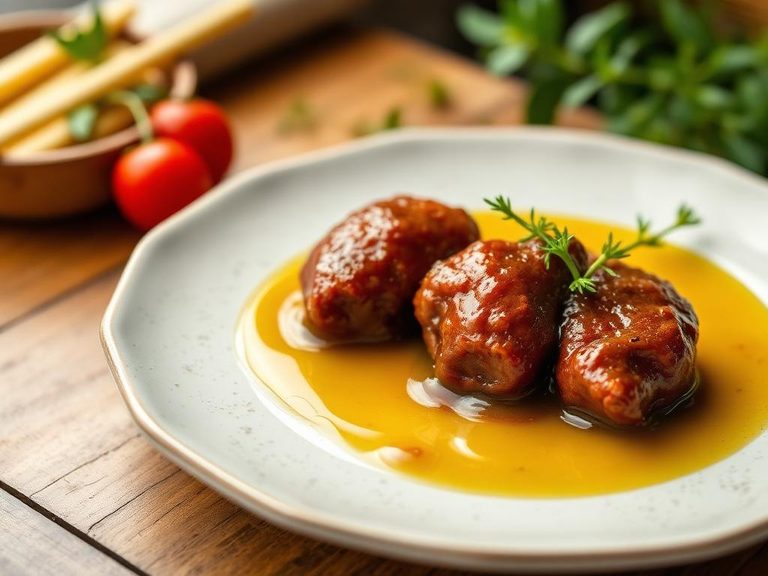
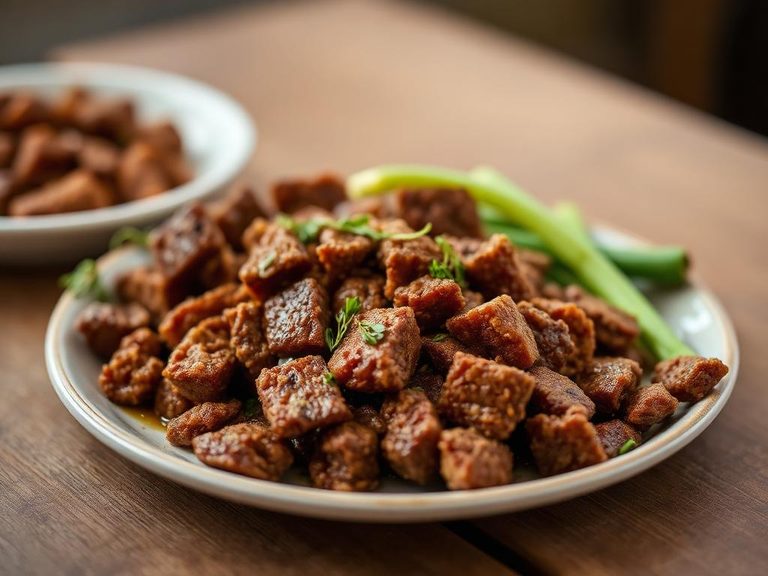
Pemmican with walrus meat is a traditional, highly concentrated survival food originating from Indigenous Arctic and subarctic cultures. It is made by mixing dried, shredded walrus meat with rendered fat (often from walrus or seal) and sometimes dried berries like crowberries or cloudberries. This combination creates a lightweight, non-perishable, and calorie-dense food essential for long journeys and harsh winters.
🍽️ Nutrition at a glance
This dish is exceptionally high in fat and protein, providing a massive amount of energy with virtually no carbohydrates. It is a powerhouse of calories, with a single, dense serving easily exceeding 800 kcal, and is rich in fat-soluble vitamins and minerals like iron and zinc from the meat.
Nutrition breakdown
| Calories | 820 kcal |
| Protein | 45 g |
| Carbs | 2 g |
| Fat | 70 g |
| Fiber | 0.5 g |
| Sugar | 0.5 g |
| Sodium | 400 mg |
| Iron | 8 mg |
| Zinc | 12 mg |
| Vitamin B12 | 15 µg |
| Niacin (B3) | 18 mg |
| Phosphorus | 450 mg |
| Selenium | 70 µg |
| Potassium | 600 mg |
| Vitamin D | 10 µg |
Per 1 bar (100 g) · estimated, varies by recipe
💡 What's interesting
Pemmican is often called the original 'energy bar' or 'superfood' due to its incredible nutrient density and shelf life, which could last for years. Its use of walrus meat, a less common protein source, highlights the resourcefulness of coastal Arctic peoples in utilizing all available marine mammals.