Fermented meat
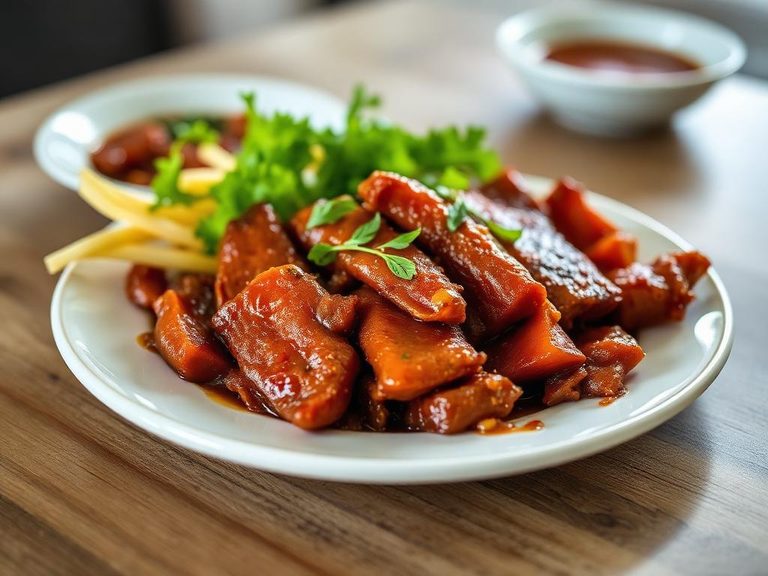
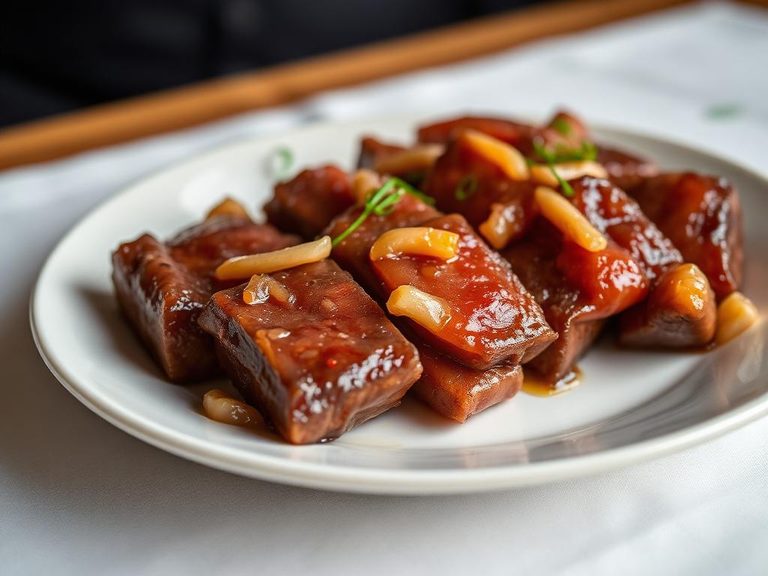
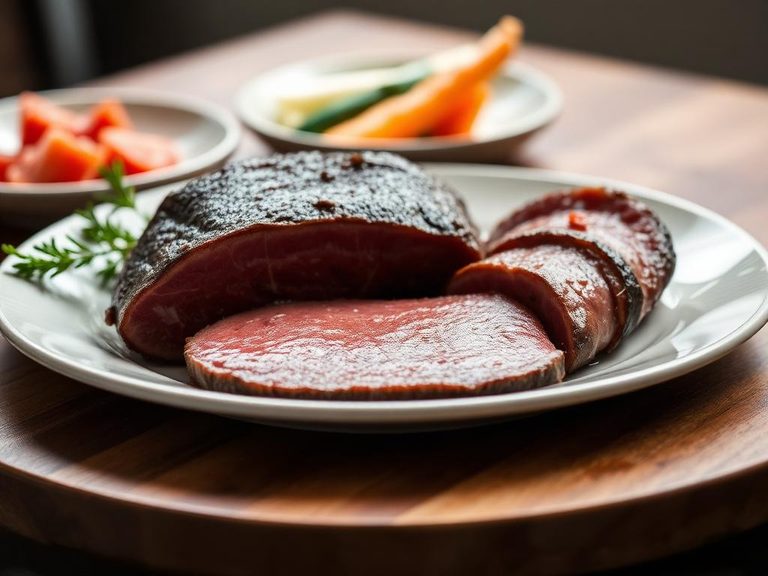
Fermented meat is a traditional food preservation method where meat is transformed by beneficial microorganisms, often resulting in a distinct tangy flavor and softer texture. Common ingredients include pork, beef, or fish, combined with salt and sometimes sugar or spices, and it's found in various forms across many cultures, from European sausages to Asian fish pastes.
🍽️ Nutrition at a glance
Fermented meat is typically high in protein and fat, with minimal to no carbohydrates, and provides key nutrients like B vitamins, zinc, and iron. A standard serving can range from 150 to 300 calories, depending on the specific type and fat content.
Nutrition breakdown
| Calories | 210 kcal |
| Protein | 22 g |
| Carbs | 1 g |
| Fat | 13 g |
| Fiber | 0 g |
| Sugar | 0 g |
| Sodium | 800 mg |
| Vitamin B12 | 2.5 µg |
| Niacin (B3) | 5 mg |
| Zinc | 4 mg |
| Iron | 2 mg |
| Selenium | 18 µg |
| Phosphorus | 180 mg |
| Potassium | 250 mg |
| Choline | 60 mg |
Per 1 piece (100 g) · estimated, varies by recipe
💡 What's interesting
The fermentation process not only preserves the meat but can also increase the bioavailability of certain nutrients and produce beneficial compounds like B vitamins. Culturally, it represents a ingenious historical solution for food storage before refrigeration, with unique regional varieties reflecting local tastes and traditions.