Fermented or aged in sealed containers
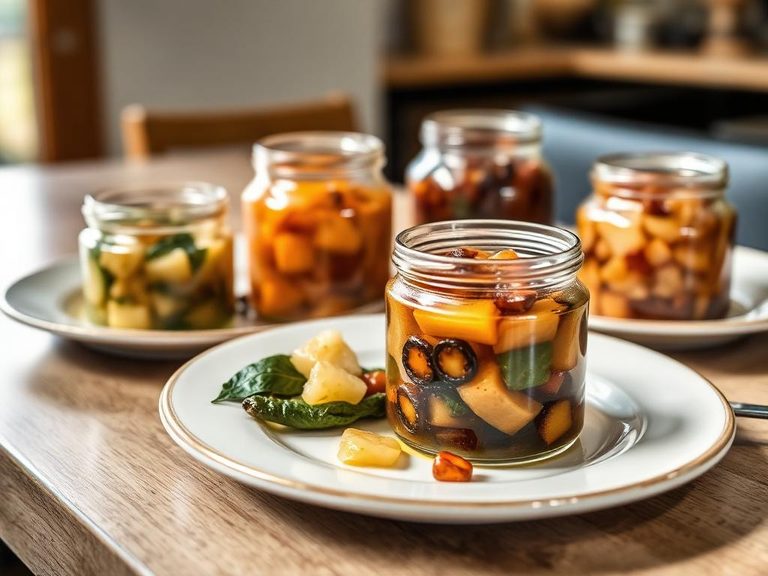
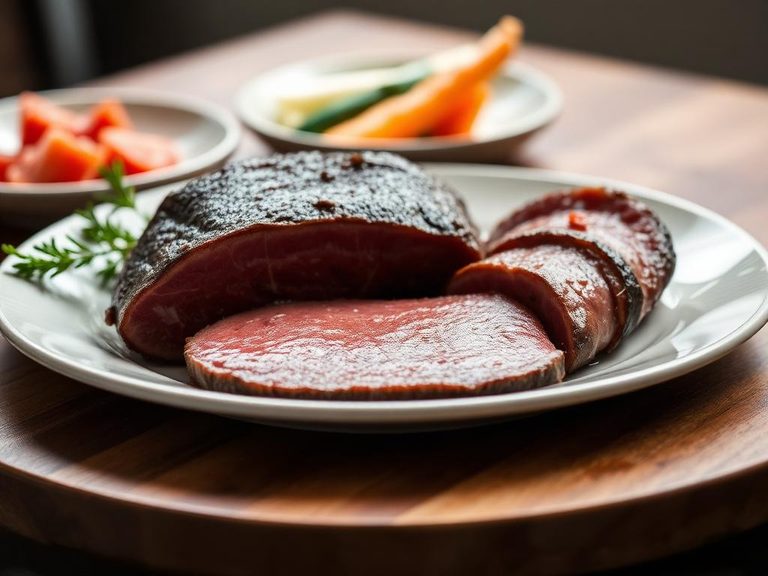
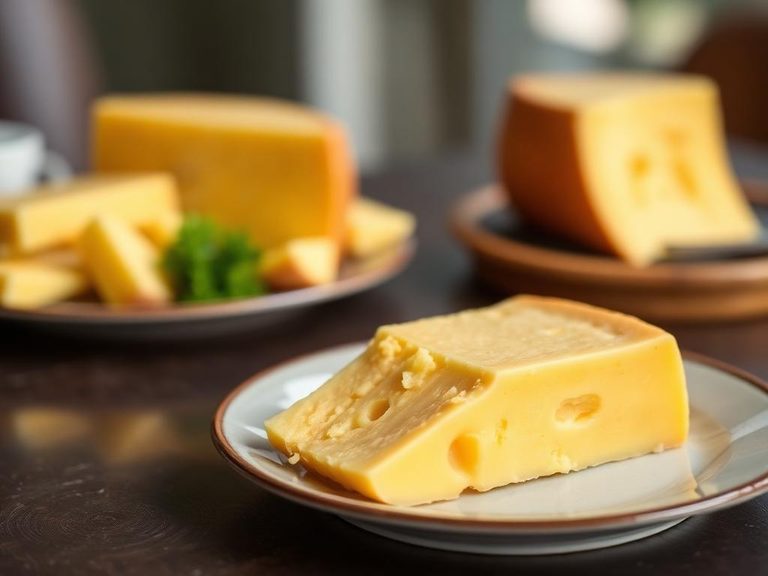
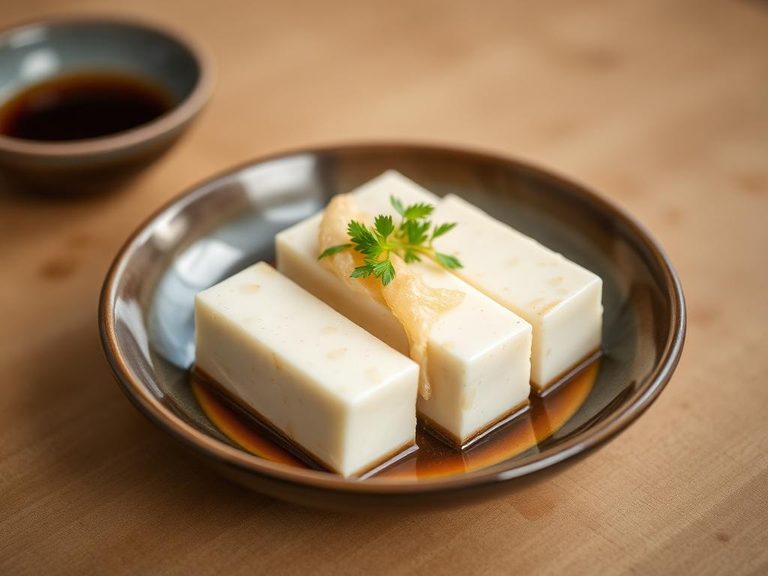
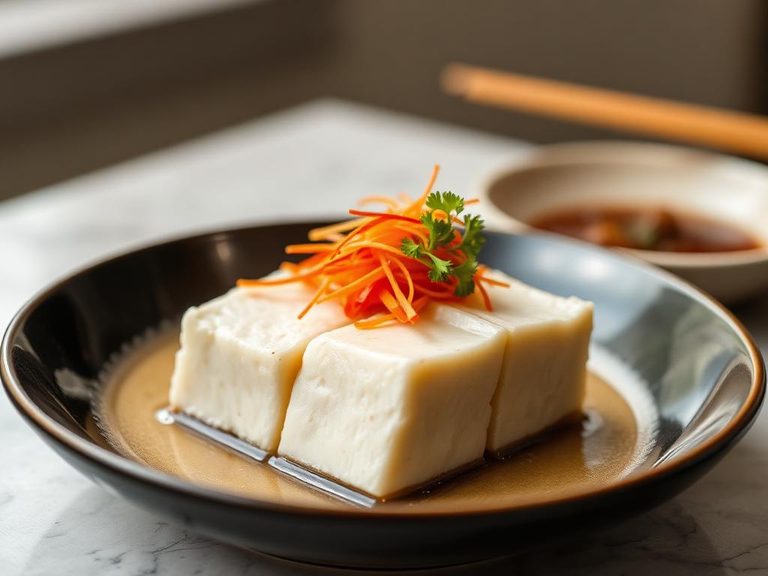
This dish refers to foods preserved through fermentation in a sealed, anaerobic environment, a technique used globally. Common examples include Korean kimchi (fermented nabbage and radish with chili), German sauerkraut (fermented cabbage), and Japanese miso (fermented soybean paste). The process relies on beneficial bacteria like Lactobacillus to transform the ingredients.
🍽️ Nutrition at a glance
Fermented foods are generally low in fat and calories but can be high in sodium. They are celebrated for being rich in probiotics, B vitamins, and bioavailable minerals like iron and magnesium, which are enhanced by the fermentation process.
Nutrition breakdown
| Calories | 27 kcal |
| Protein | 1.3 g |
| Carbs | 4.4 g |
| Fat | 0.1 g |
| Fiber | 2.9 g |
| Sugar | 1.8 g |
| Sodium | 939 mg |
| Vitamin C | 15 mg |
| Vitamin K1 | 13 mcg |
| Iron | 1.5 mg |
| Potassium | 241 mg |
| Sodium | 939 mg |
| Vitamin B6 | 0.13 mg |
| Folate | 24 mcg |
| Manganese | 0.2 mg |
Per 1 cup (150 g) of prepared sauerkraut · estimated, varies by recipe
💡 What's interesting
The sealed fermentation creates a unique environment where beneficial probiotics thrive, potentially supporting gut health. Culturally, it represents a historic method of preserving seasonal harvests for year-round nutrition and flavor.