Fermented sea lion heart
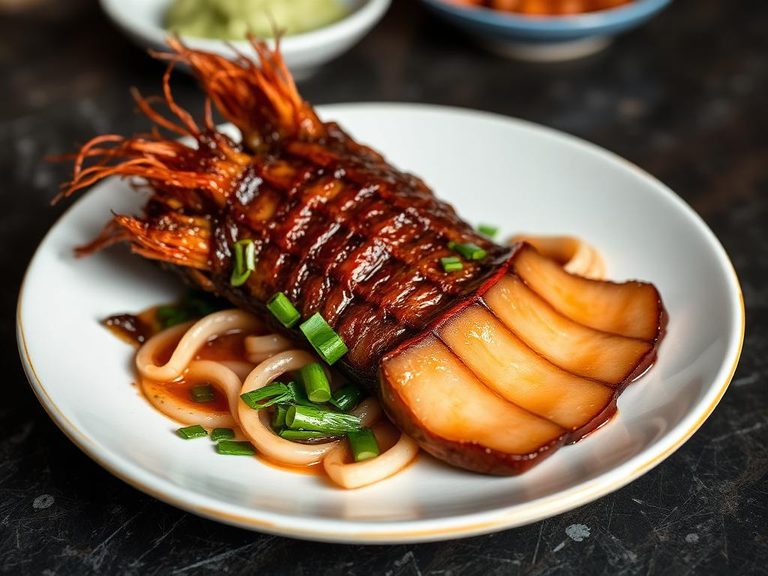
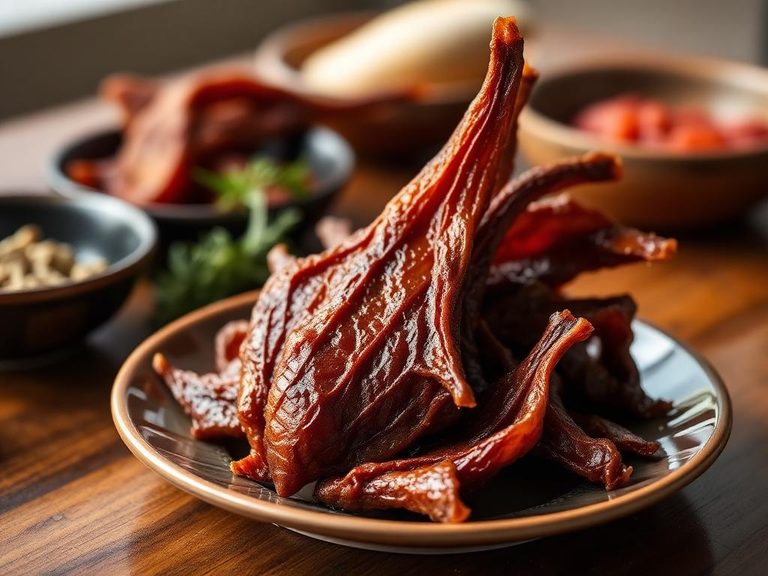
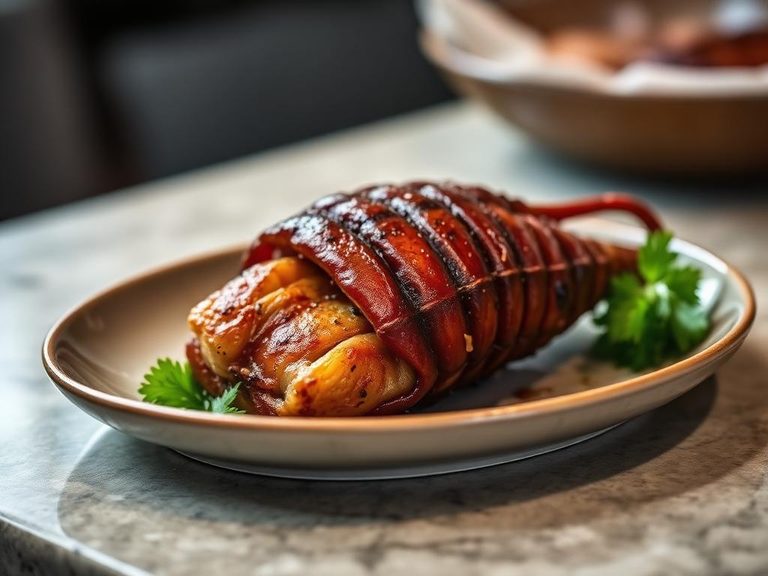
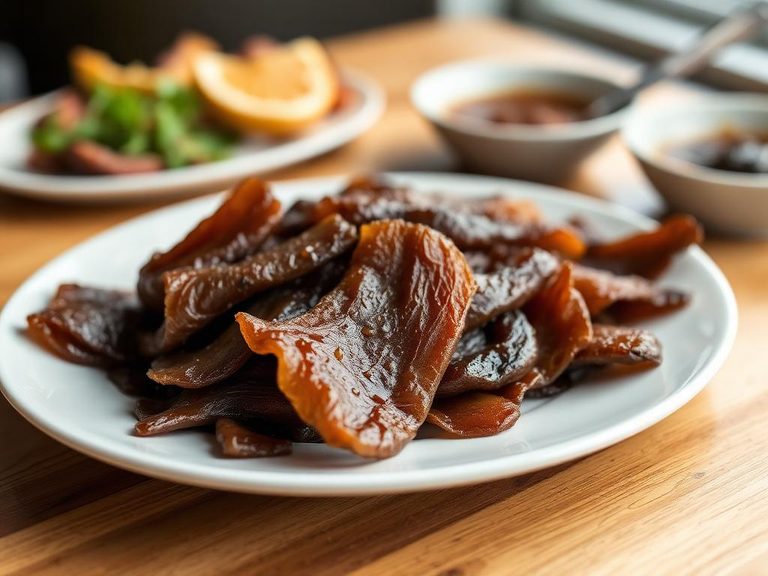
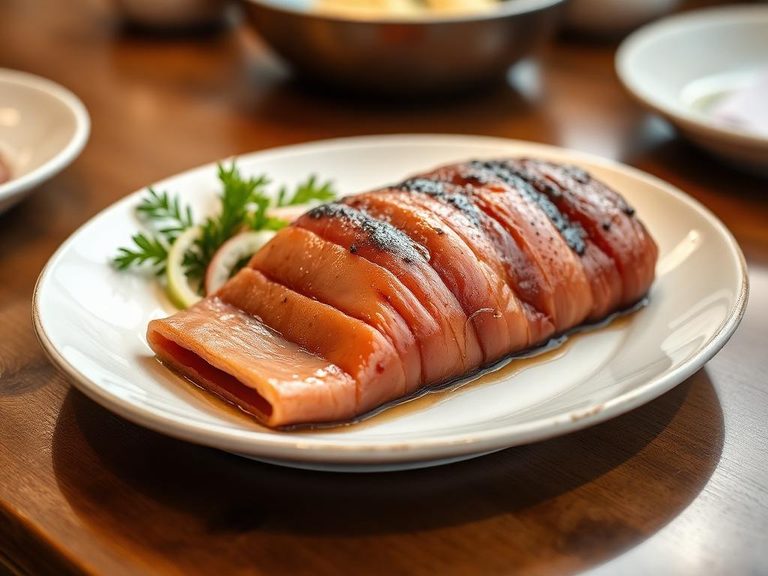
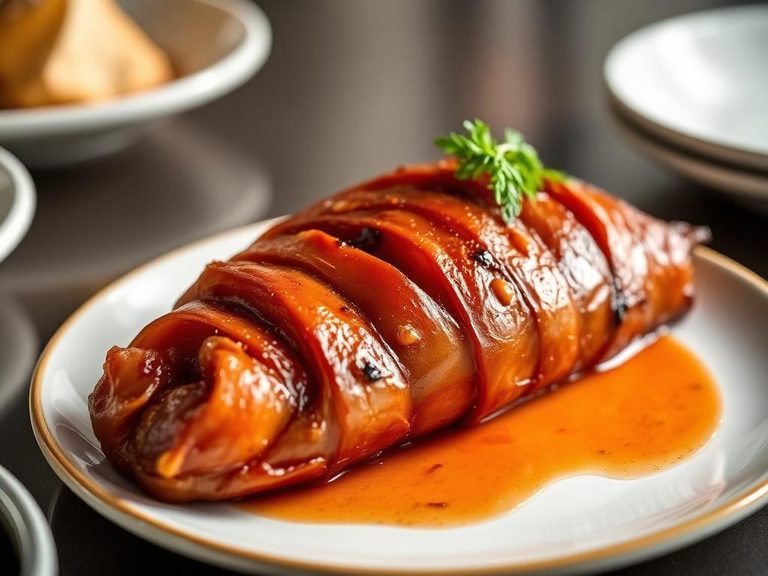
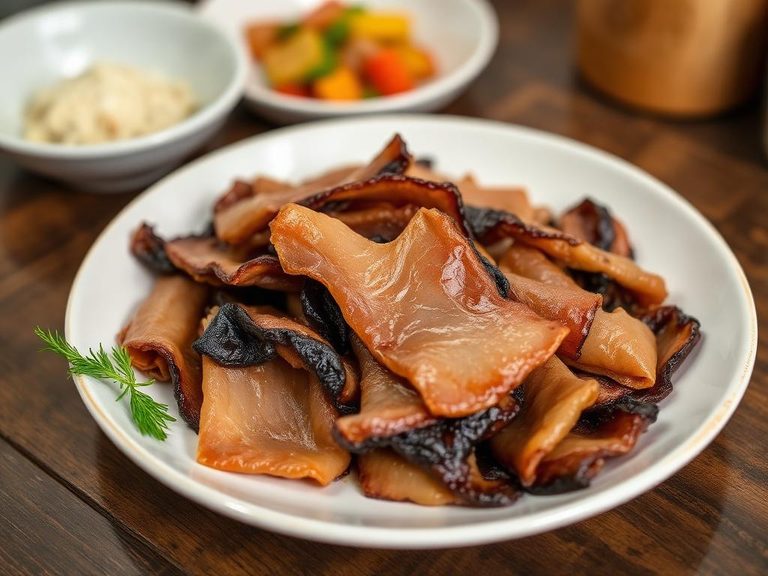
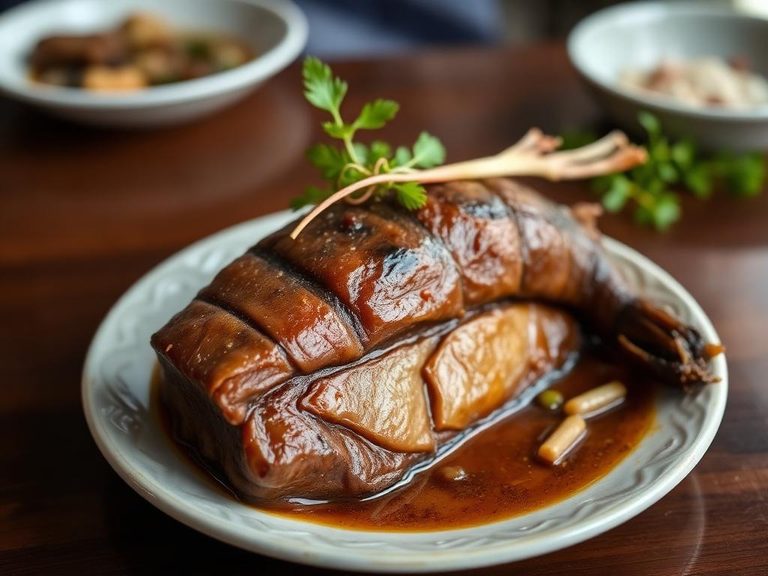
Fermented sea lion heart is a traditional preserved food made by fermenting the heart of a sea lion, often with salt, in cold coastal or Arctic regions. It is typically prepared by Inuit and other Indigenous communities in the Arctic, including parts of Alaska, Canada, and Greenland. The dish is valued for its long shelf life and nutritional density in harsh environments.
🍽️ Nutrition at a glance
This dish is extremely high in protein and fat, with virtually no carbohydrates. It is a concentrated source of essential nutrients like iron, vitamin B12, and omega-3 fatty acids, providing a substantial calorie boost—roughly 300-400 kcal per typical serving.
Nutrition breakdown
| Calories | 350 kcal |
| Protein | 25 g |
| Carbs | 0 g |
| Fat | 28 g |
| Fiber | 0 g |
| Sugar | 0 g |
| Sodium | 800 mg |
| Vitamin B12 | 15 mcg |
| Iron | 5 mg |
| Selenium | 40 mcg |
| Zinc | 4 mg |
| Omega-3 (EPA+DHA) | 1.5 g |
| Potassium | 300 mg |
| Phosphorus | 250 mg |
| Niacin (B3) | 6 mg |
Per 1 piece (100 g) · estimated, varies by recipe
💡 What's interesting
Culturally, it represents a sophisticated traditional preservation technique that allows communities to store vital nutrients for long, resource-scarce winters. Nutritionally, the fermentation process can enhance the bioavailability of certain nutrients and produce beneficial compounds.