Dried or jerky-style sea lion heart
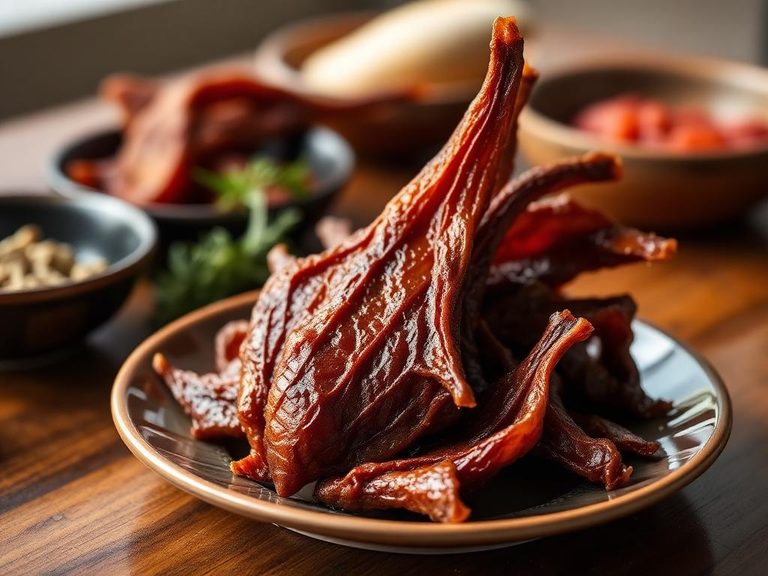
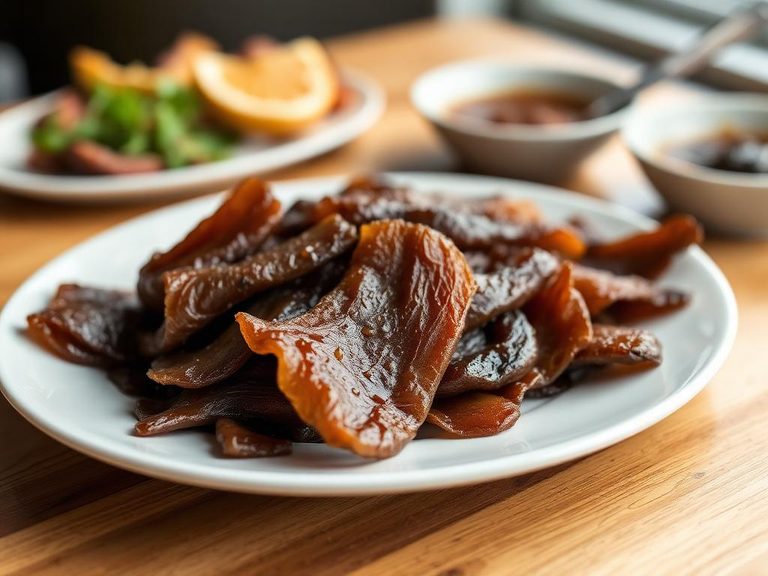
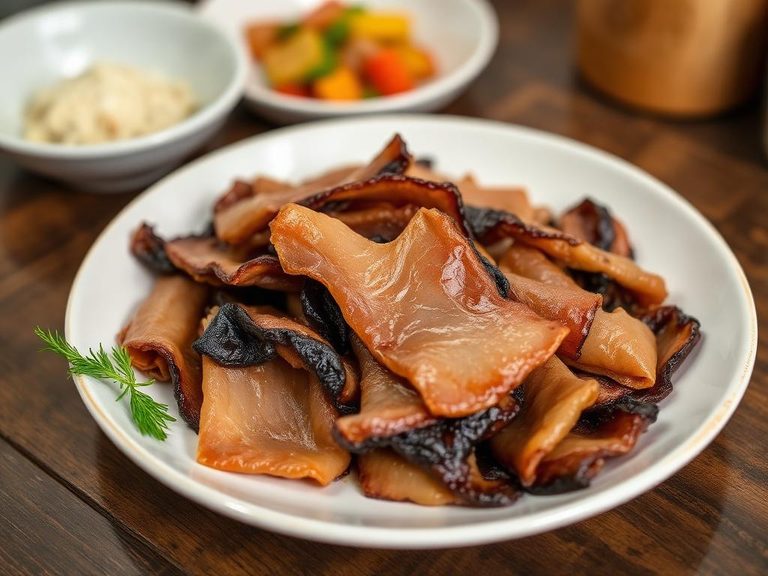
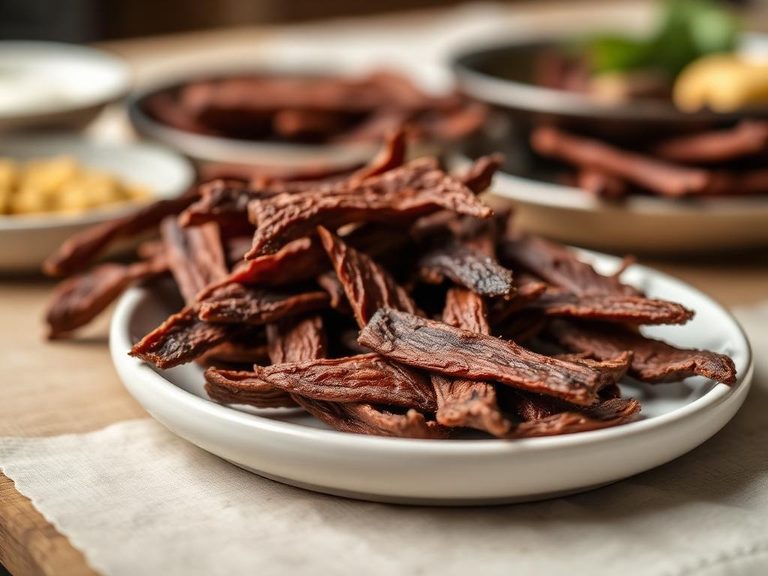
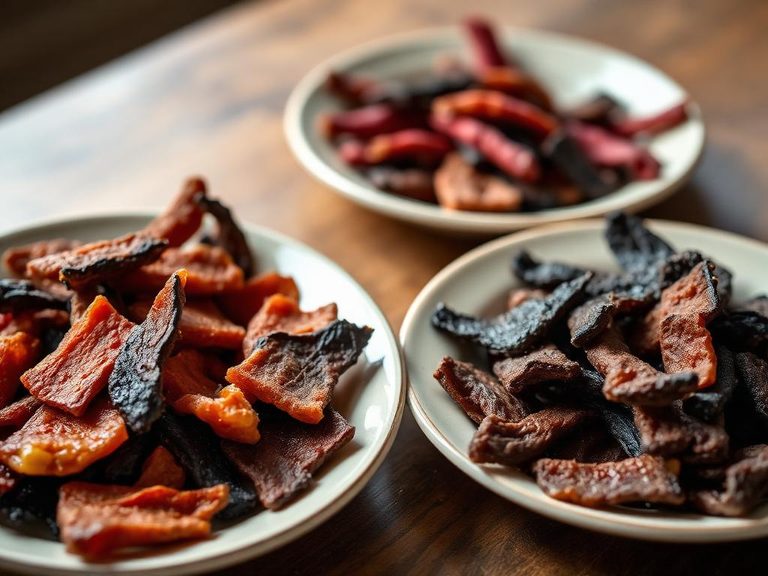
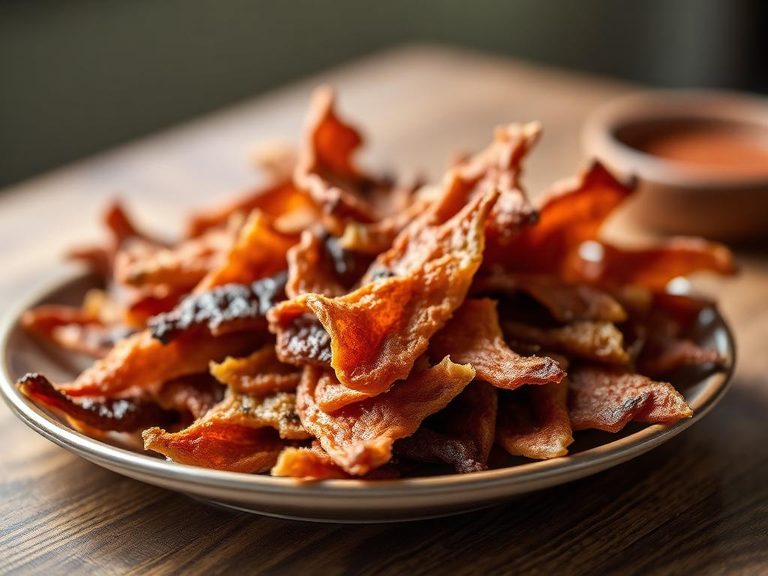
Dried or jerky-style sea lion heart is a traditional preserved food made from the heart of a sea lion, typically sliced and air-dried or smoked. It is a high-protein, shelf-stable snack or ingredient found in Arctic and sub-Arctic coastal communities, particularly among Indigenous peoples of the North Pacific and Bering Sea regions.
🍽️ Nutrition at a glance
This dish is extremely high in protein and contains virtually no carbohydrates, with a moderate amount of fat. It is a dense source of iron, B vitamins (especially B12), and minerals like zinc and selenium, with a rough ballpark of 150-200 calories per 30-gram serving.
Nutrition breakdown
| Calories | 170 kcal |
| Protein | 32 g |
| Carbs | 0 g |
| Fat | 4 g |
| Fiber | 0 g |
| Sugar | 0 g |
| Sodium | 450 mg |
| Iron | 6.5 mg |
| Vitamin B12 | 25 µg |
| Zinc | 4.2 mg |
| Selenium | 45 µg |
| Niacin (B3) | 8.5 mg |
| Phosphorus | 280 mg |
| Potassium | 310 mg |
| Riboflavin (B2) | 0.4 mg |
Per 1 piece (30 g) · estimated, varies by recipe
💡 What's interesting
Culturally, it represents an important traditional food source and method of preservation in harsh Arctic environments where fresh meat was seasonally scarce. Nutritionally, it is unique as an extremely concentrated source of heme iron and vitamin B12, far exceeding most land-based meats.