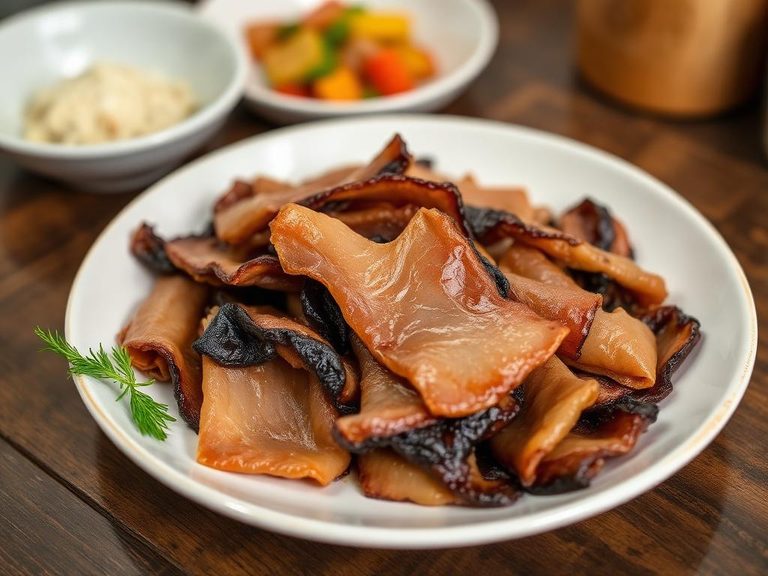
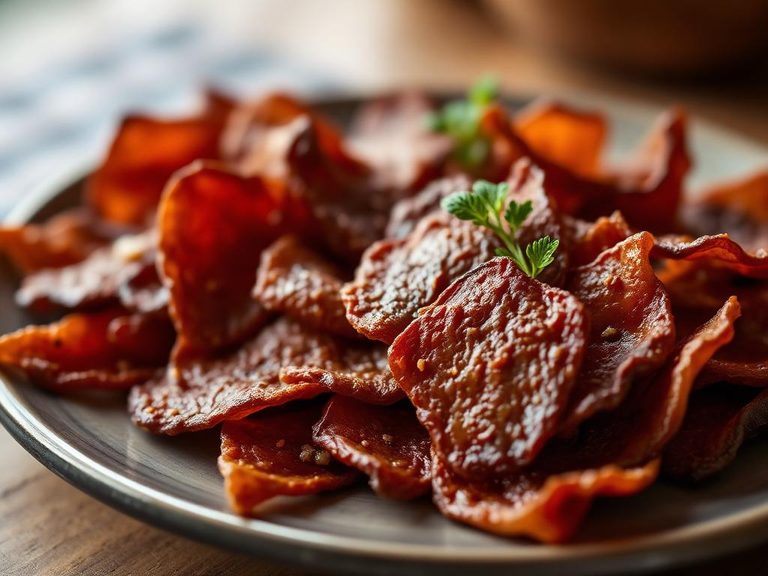
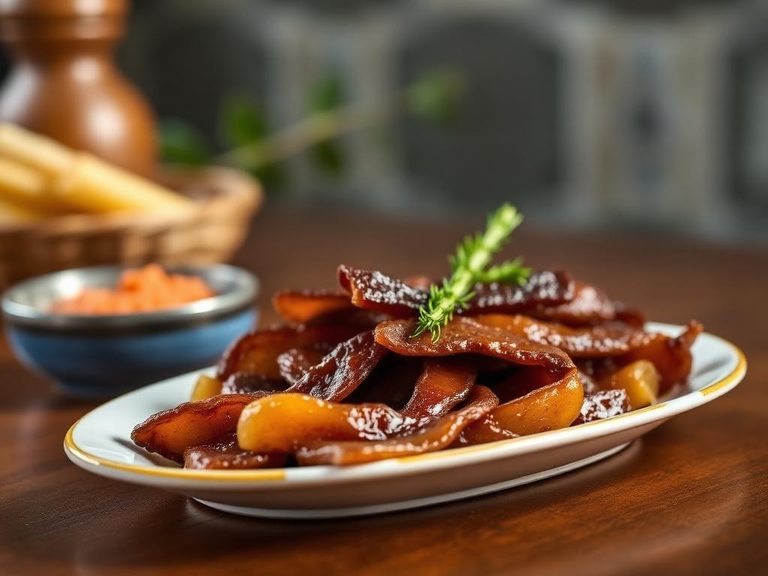
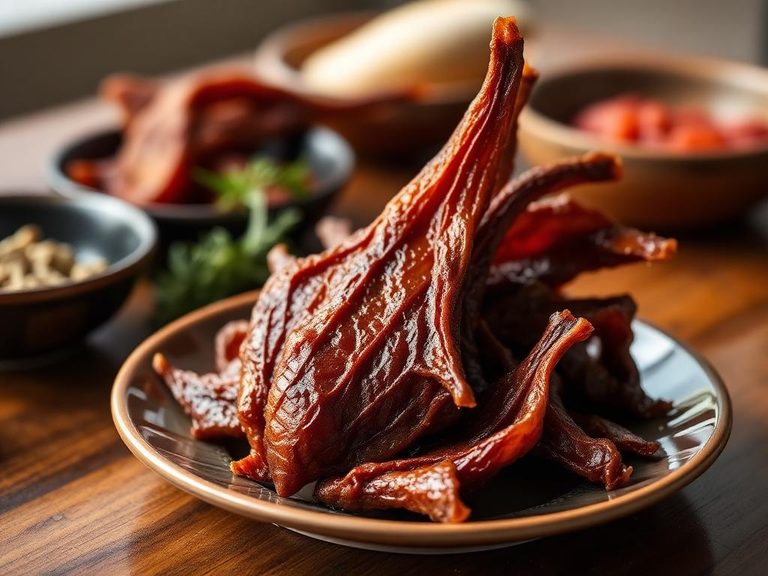
Dried and smoked sea lion liver strips
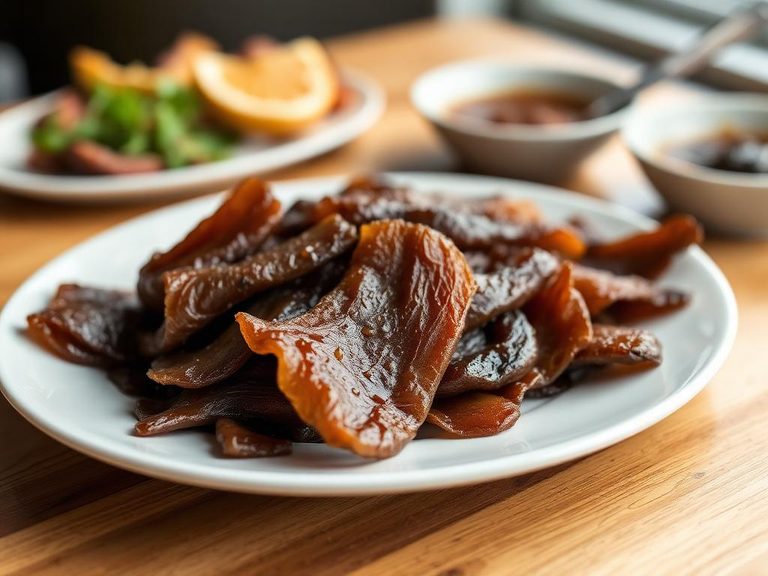
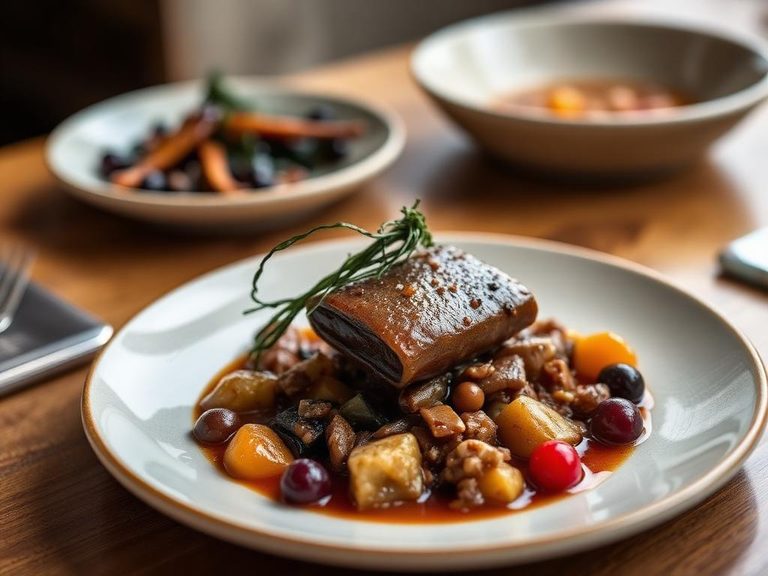
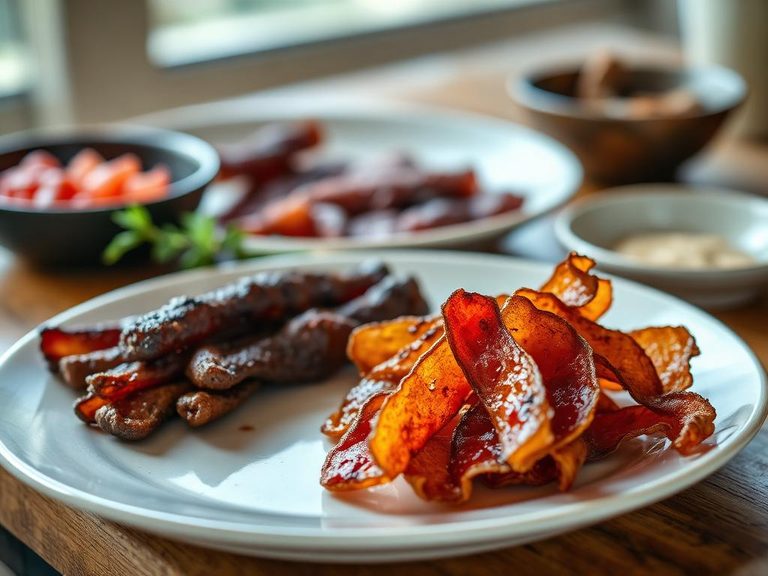
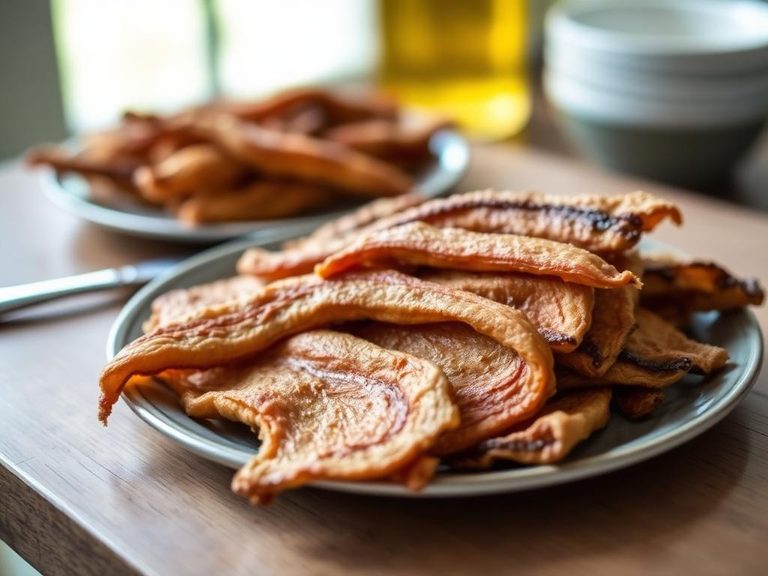
Dried and smoked sea lion liver strips are a traditional preserved food, typically made by slicing the liver of a sea lion, then curing, air-drying, and smoking it. This preparation method is characteristic of certain Arctic and sub-Arctic indigenous cultures, such as the Inuit and Yup'ik peoples, where it served as a vital source of nutrition during long winters.
🍽️ Nutrition at a glance
This dish is extremely high in protein and fat, with virtually no carbohydrates. It is a dense source of energy and provides exceptionally high levels of fat-soluble vitamins, particularly vitamin A and vitamin D, as well as minerals like iron and zinc.
Nutrition breakdown
| Calories | 120 kcal |
| Protein | 14 g |
| Carbs | 0 g |
| Fat | 7 g |
| Fiber | 0 g |
| Sugar | 0 g |
| Sodium | 280 mg |
| Vitamin A | 2500 IU (50% DV) |
| Vitamin D | 10 mcg (50% DV) |
| Iron | 3 mg (17% DV) |
| Zinc | 4 mg (36% DV) |
| Vitamin B12 | 8 mcg (333% DV) |
| Selenium | 15 mcg (27% DV) |
| Niacin (B3) | 5 mg (31% DV) |
| Phosphorus | 180 mg (14% DV) |
Per 1 ounce (28 g), about 2-3 strips · estimated, varies by recipe
💡 What's interesting
What makes this dish culturally and nutritionally unique is its role as a concentrated survival food. The smoking and drying process preserves the meat for months, and its extremely high vitamin A content (which can be toxic in very large quantities) made it a critical, though carefully rationed, source of essential nutrients in environments with limited plant-based foods.