Traditional Alaska Native dried liver strips
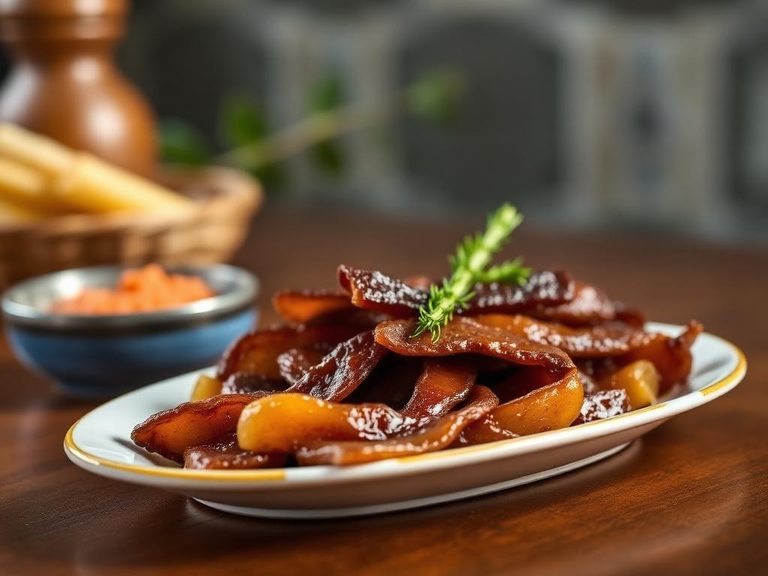
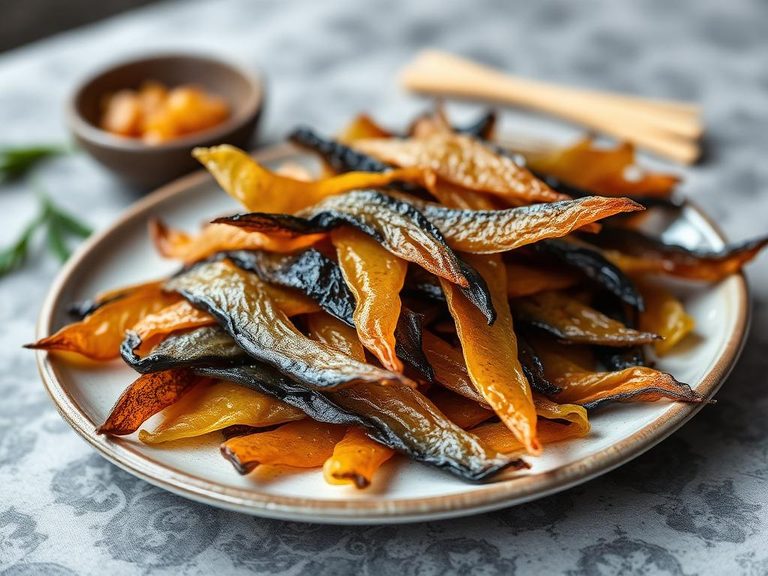
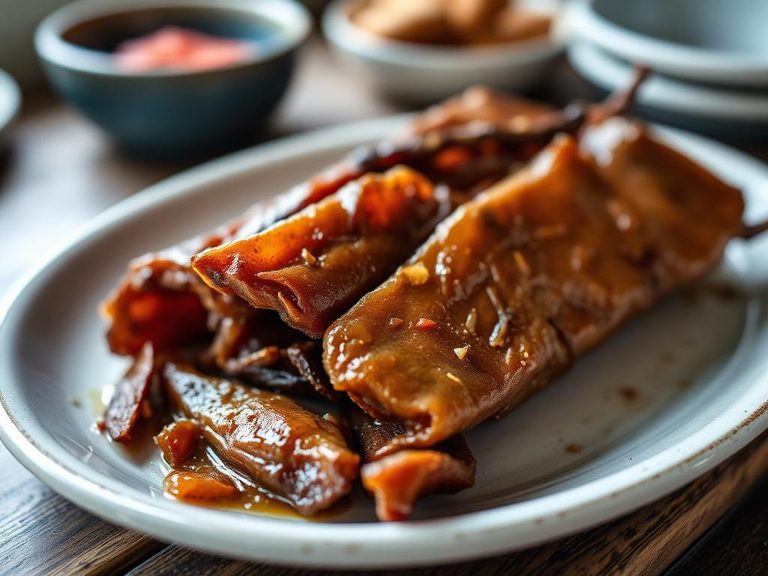
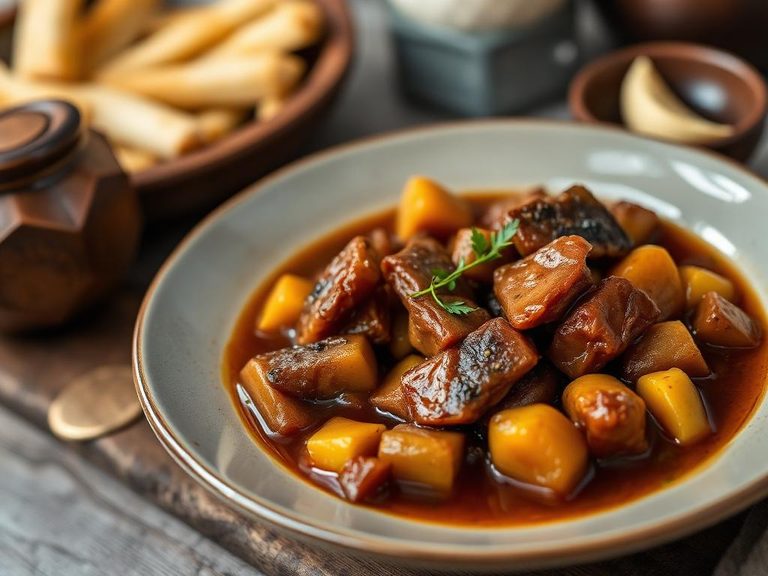
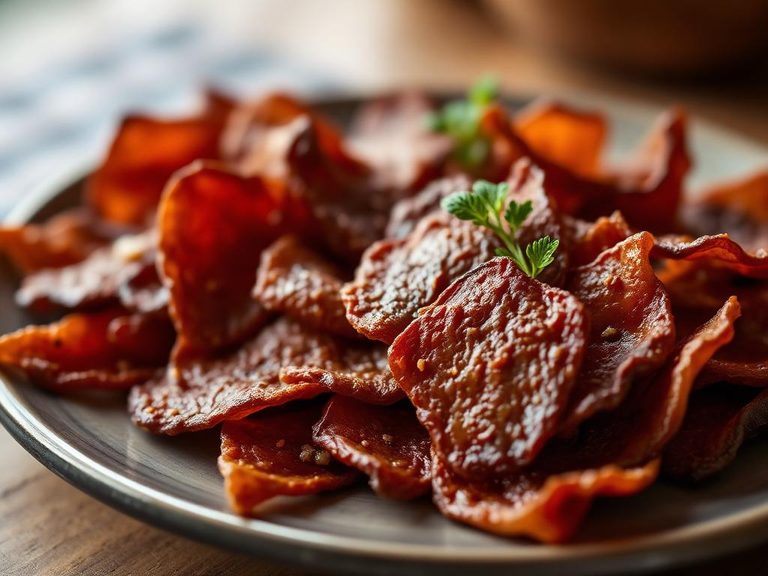
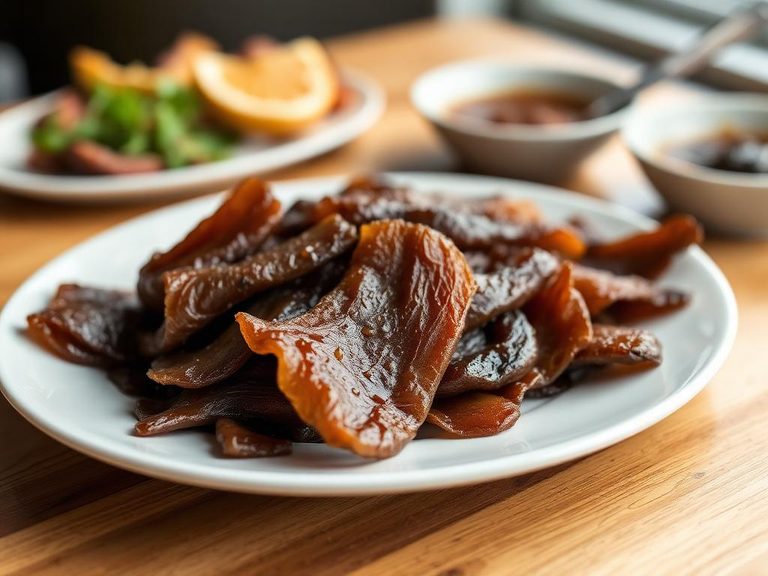
Traditional Alaska Native dried liver strips are a preserved food made from the liver of marine mammals like seal, walrus, or whale, which is sliced into thin strips and air-dried. This method of preparation is a vital subsistence practice among Yup'ik, Iñupiat, and other Indigenous groups in coastal Alaska, providing a portable and nutrient-dense food source for harsh winters and long journeys.
🍽️ Nutrition at a glance
This dish is extremely high in protein and fat, with virtually no carbohydrates, making it a powerful source of energy and essential nutrients. A single serving provides a massive dose of vitamins A and D, iron, and B12, with a calorie count that can range widely from 200 to over 500 kcal depending on the specific animal and fat content.
Nutrition breakdown
| Calories | 150 kcal |
| Protein | 18 g |
| Carbs | 0 g |
| Fat | 8 g |
| Fiber | 0 g |
| Sugar | 0 g |
| Sodium | 350 mg |
| Vitamin A | 1200 µg RAE |
| Vitamin D | 15 µg |
| Vitamin B12 | 45 µg |
| Iron | 5 mg |
| Riboflavin (B2) | 1.5 mg |
| Niacin (B3) | 8 mg |
| Selenium | 40 µg |
| Zinc | 3 mg |
Per 1 oz (28 g) of dried strips · estimated, varies by recipe
💡 What's interesting
What makes this food culturally unique is its deep connection to the subsistence lifestyle and traditional ecological knowledge of Alaska Native peoples, representing a sustainable use of harvested resources. Nutritionally, it is a rare and potent whole-food source of preformed vitamin A (retinol) and vitamin D, which are critical for health in low-sunlight Arctic environments.