Alaska Native-style stewed greens
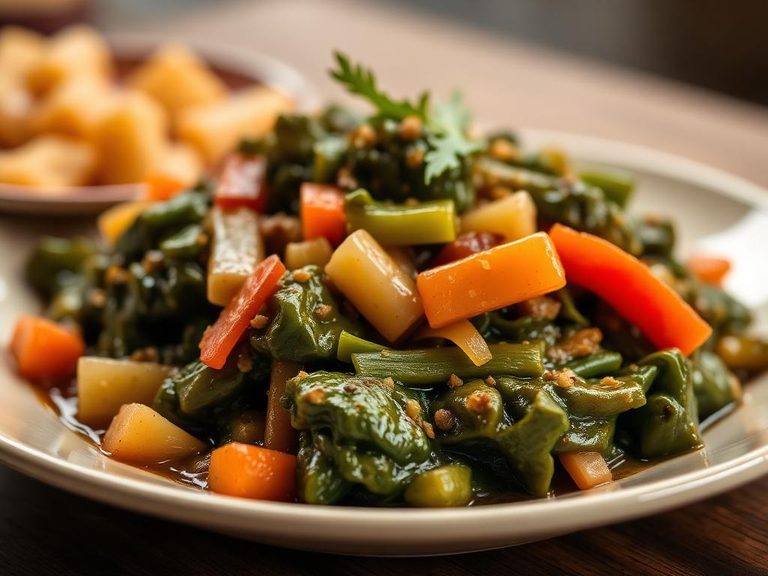
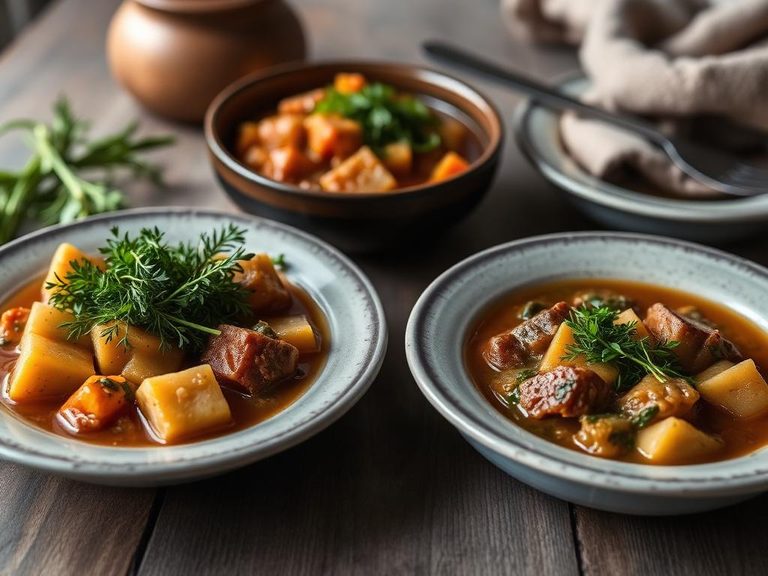
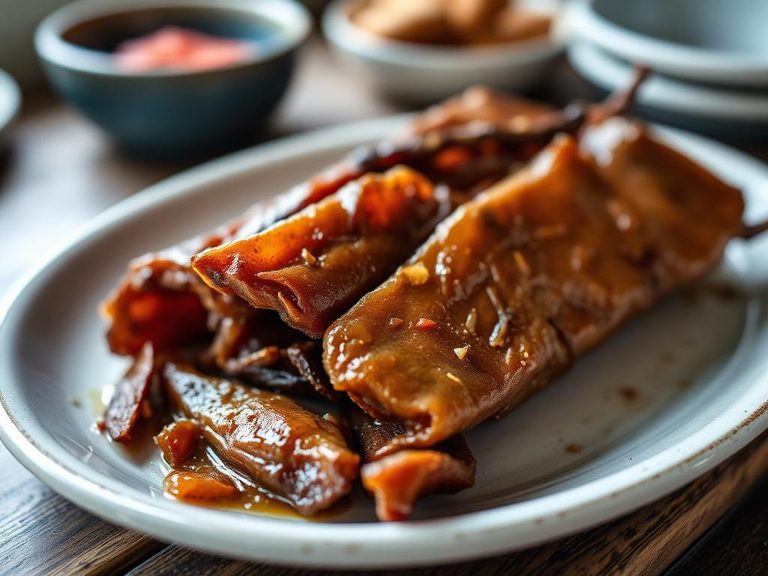
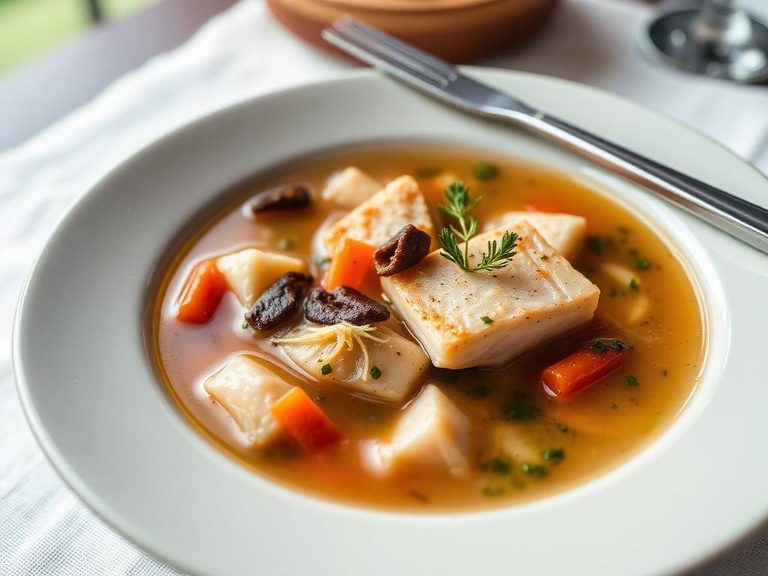
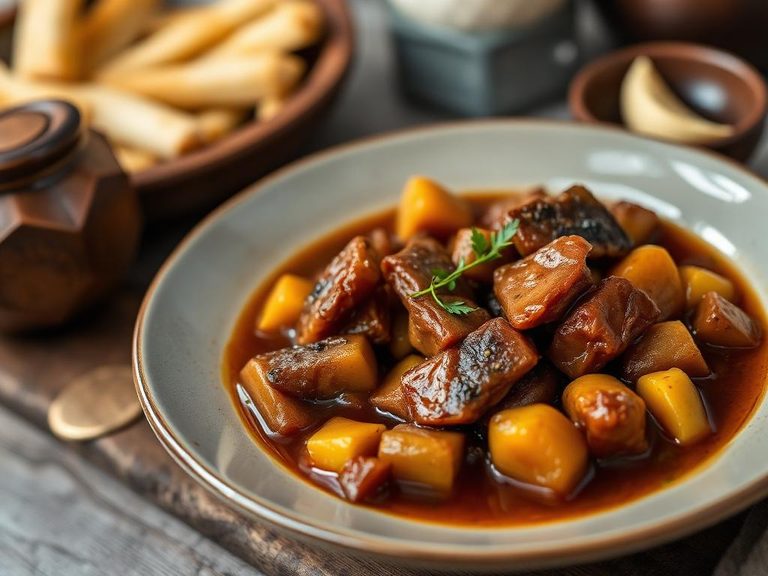
Alaska Native-style stewed greens is a hearty, traditional dish made from foraged or locally grown leafy greens like fireweed, wild spinach, or collards, often slow-simmered with fish, seal oil, or other local fats. It is a staple in many Indigenous communities across Alaska, reflecting a deep connection to the land and seasonal harvesting practices.
🍽️ Nutrition at a glance
This dish is generally low in carbohydrates and moderate in protein if prepared with fish or meat, while being rich in fiber, iron, and vitamins A and C. A typical serving contains roughly 150–250 calories, depending on the added fats and proteins.
Nutrition breakdown
| Calories | 180 kcal |
| Protein | 8 g |
| Carbs | 12 g |
| Fat | 11 g |
| Fiber | 5 g |
| Sugar | 2 g |
| Sodium | 320 mg |
| Iron | 4.5 mg |
| Vitamin A | 8500 IU |
| Vitamin C | 45 mg |
| Calcium | 150 mg |
| Potassium | 480 mg |
| Magnesium | 65 mg |
| Vitamin K | 350 µg |
| Omega-3 Fatty Acids | 1.2 g |
Per 1 cup (240 g) · estimated, varies by recipe
💡 What's interesting
What makes this dish unique is its use of wild-foraged greens that are nutrient-dense and adapted to Arctic climates, often prepared with traditional preservation methods like drying or fermenting. It also highlights the sustainable, zero-waste philosophy central to many Alaska Native food traditions.