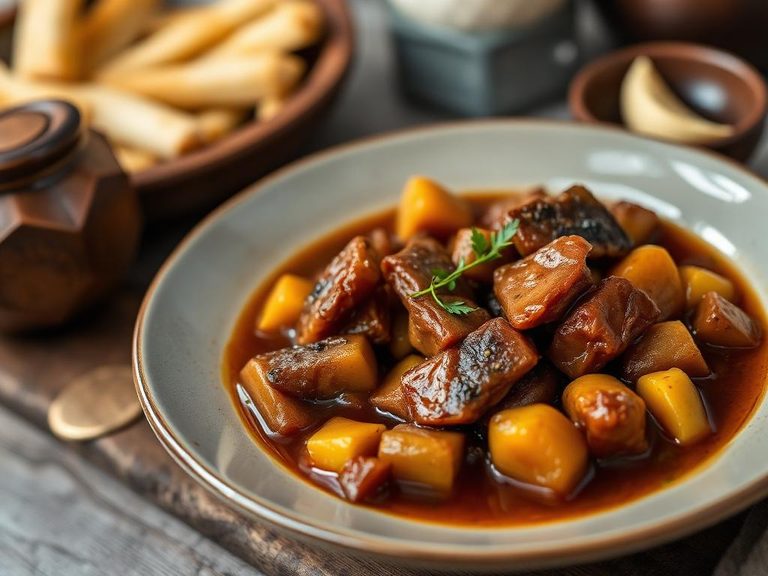
Traditional Alaska Native dried or smoked liver
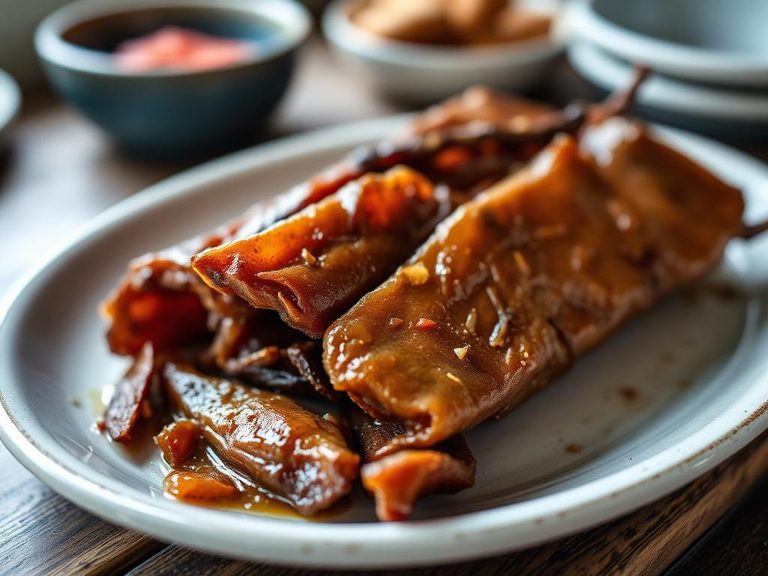
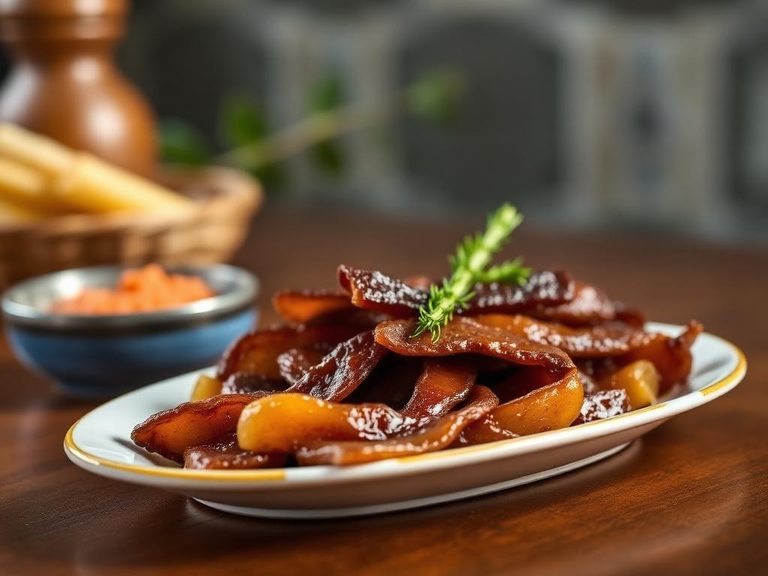
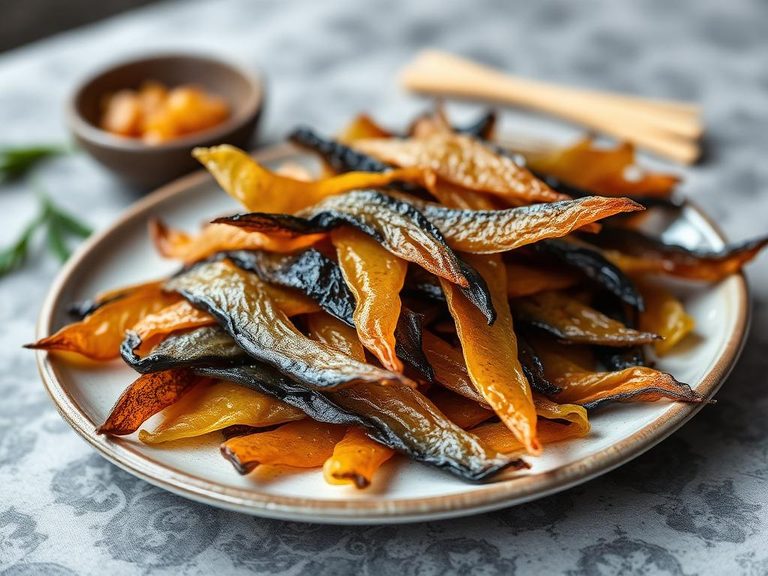
Traditional Alaska Native dried or smoked liver is a preserved food made from the liver of marine mammals like seal, walrus, or whale, or from caribou. The liver is typically cut into strips, then either air-dried in the cold, windy climate or smoked over a slow fire, a method essential for survival and food storage in the Arctic.
🍽️ Nutrition at a glance
This is an extremely nutrient-dense food, exceptionally high in protein and fat while being virtually carbohydrate-free. A small serving provides a massive concentration of essential nutrients like iron, vitamin A, and vitamin B12, with a calorie count driven primarily by its fat content.
Nutrition breakdown
| Calories | 115 kcal |
| Protein | 8 g |
| Carbs | 0 g |
| Fat | 9 g |
| Fiber | 0 g |
| Sugar | 0 g |
| Sodium | 150 mg |
| Vitamin A | 5000 IU (100% DV) |
| Vitamin B12 | 20 mcg (833% DV) |
| Iron | 5 mg (28% DV) |
| Riboflavin (B2) | 1.5 mg (115% DV) |
| Copper | 1.2 mg (133% DV) |
| Selenium | 18 mcg (33% DV) |
| Phosphorus | 200 mg (16% DV) |
| Zinc | 3 mg (27% DV) |
Per 1 ounce (28 g) · estimated, varies by recipe
💡 What's interesting
Culturally, this preparation is a prime example of indigenous food preservation techniques that maximize nutrition and shelf life in a challenging environment. Nutritionally, it's a powerhouse, often providing more iron and vitamin A per gram than almost any other food.