Alaska Native baked or dried fish
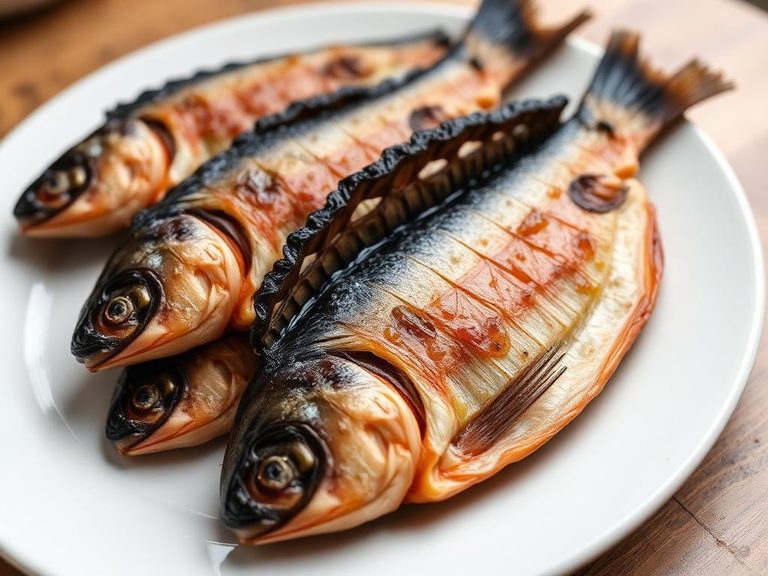
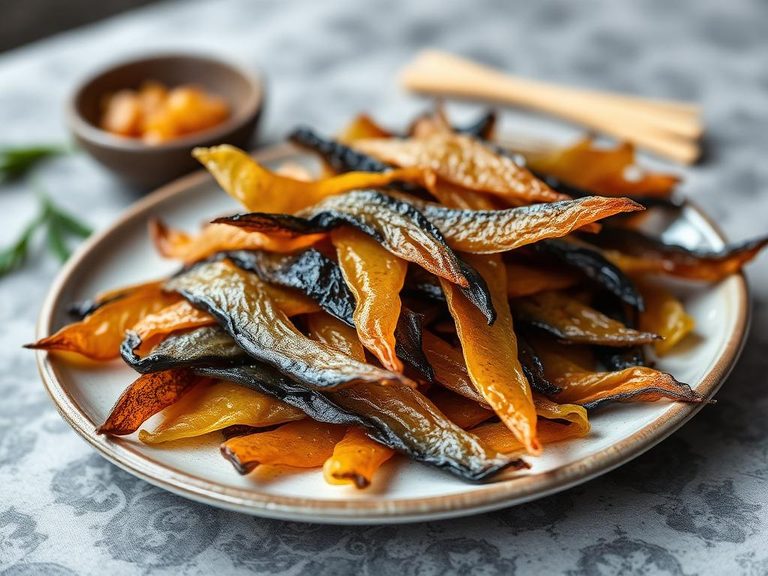
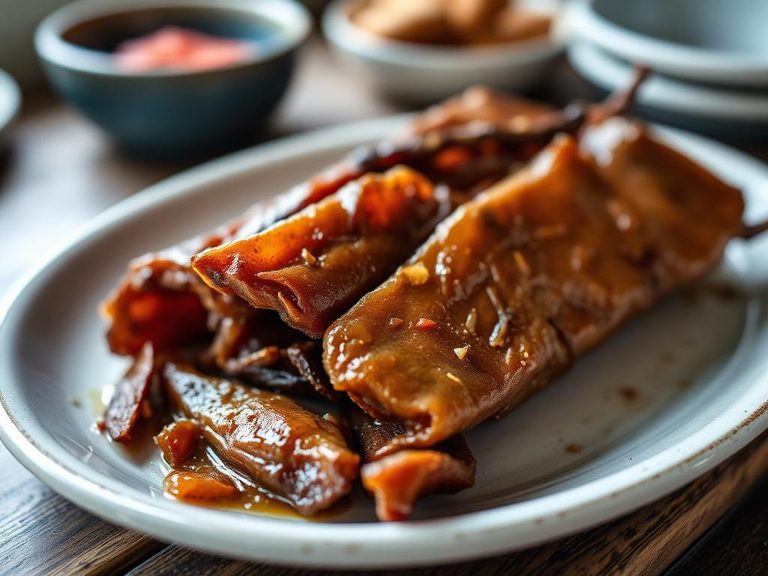
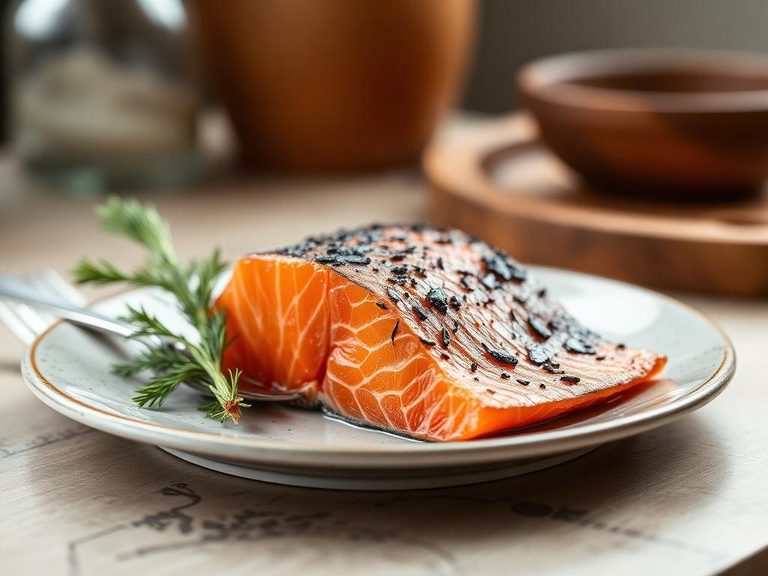
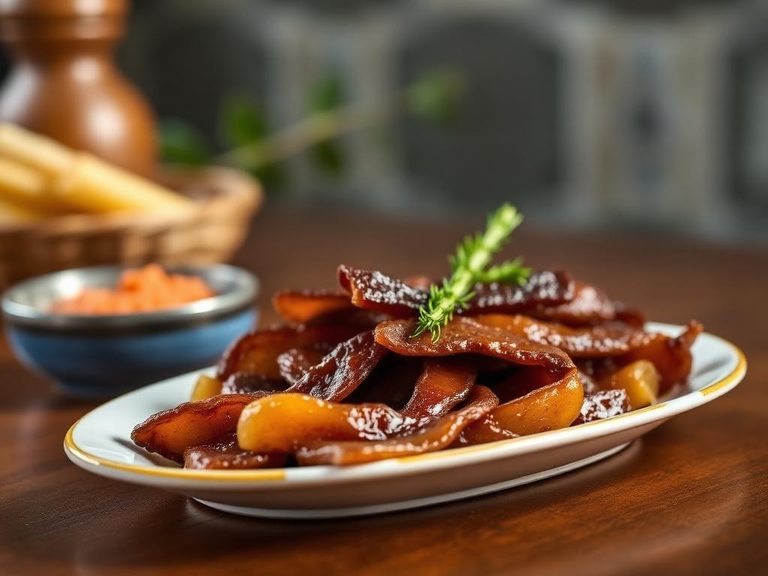
Alaska Native baked or dried fish is a traditional preservation method where salmon or other local fish is prepared by drying in the sun or slow-baking over an open fire. This technique, essential for survival in the Arctic climate, results in a nutrient-dense, shelf-stable food. It is a cornerstone of the subsistence diet for many Indigenous communities across Alaska.
🍽️ Nutrition at a glance
This dish is an exceptionally high-protein, low-carbohydrate food with a moderate amount of healthy fats, depending on the fish species. It is a rich source of omega-3 fatty acids, vitamin D, and essential minerals, providing a substantial caloric boost from approximately 200 to 300 calories per typical serving.
Nutrition breakdown
| Calories | 250 kcal |
| Protein | 38 g |
| Carbs | 0 g |
| Fat | 10 g |
| Fiber | 0 g |
| Sugar | 0 g |
| Sodium | 450 mg |
| Omega-3 (EPA + DHA) | 1500 mg |
| Vitamin D | 15 mcg |
| Vitamin B12 | 8 mcg |
| Niacin (B3) | 12 mg |
| Selenium | 50 mcg |
| Phosphorus | 350 mg |
| Potassium | 450 mg |
| Magnesium | 45 mg |
Per 1 piece (approx. 85 g) · estimated, varies by recipe
💡 What's interesting
The drying process concentrates nutrients and creates a unique, chewy texture with a deep, savory flavor. Culturally, the preparation and sharing of dried fish is a vital practice that connects generations and reinforces community bonds.