Alaska Native fish stews and soups
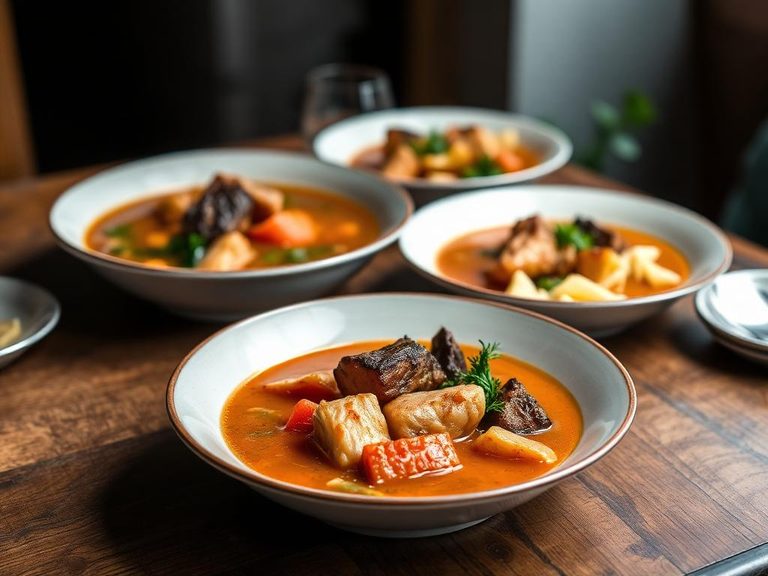
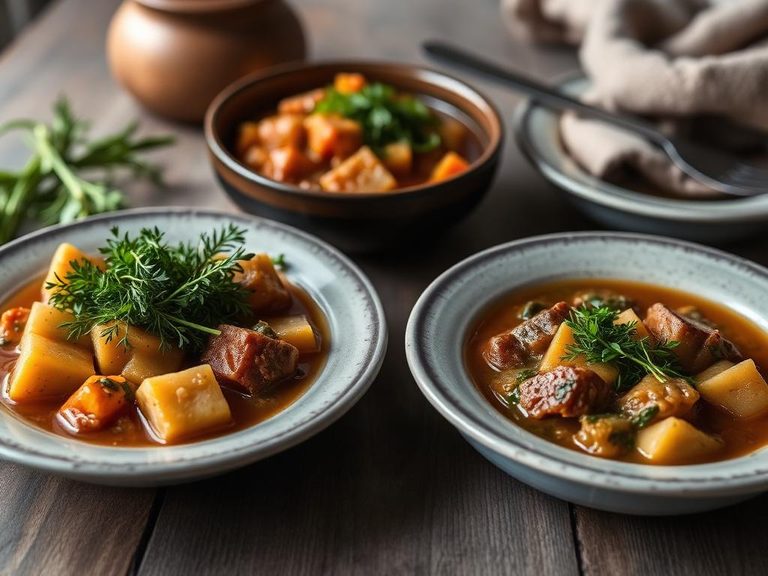
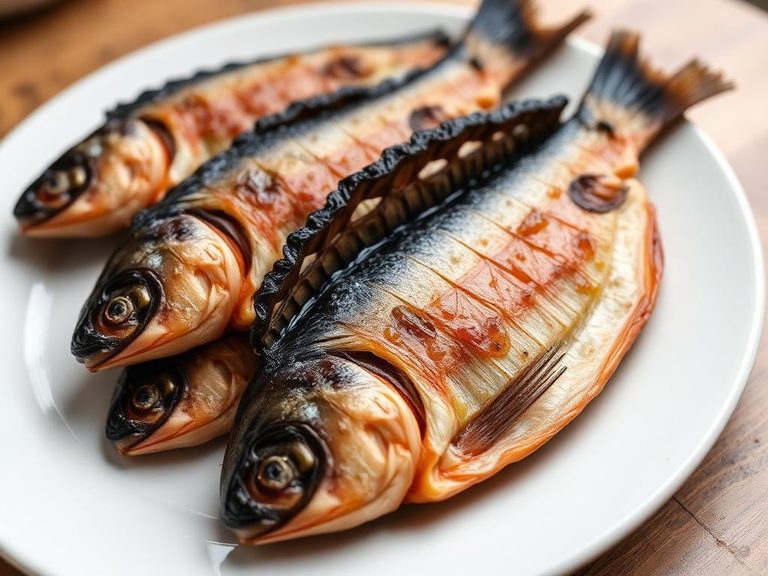
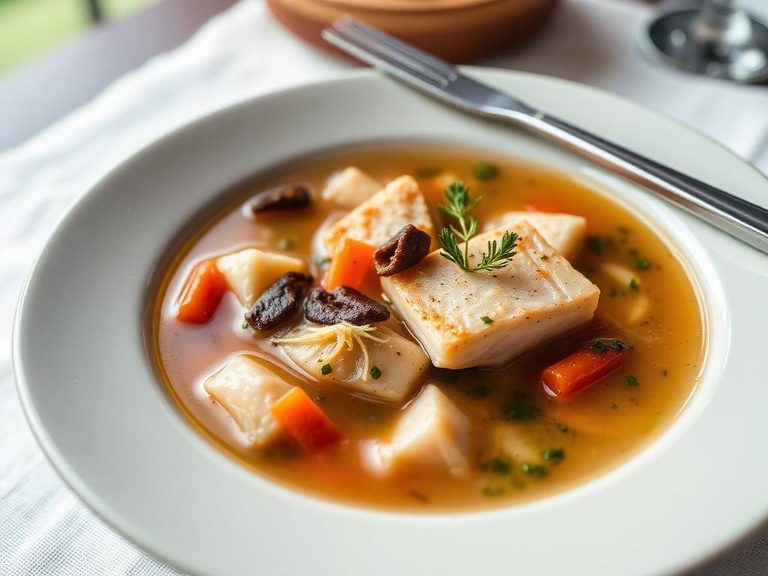
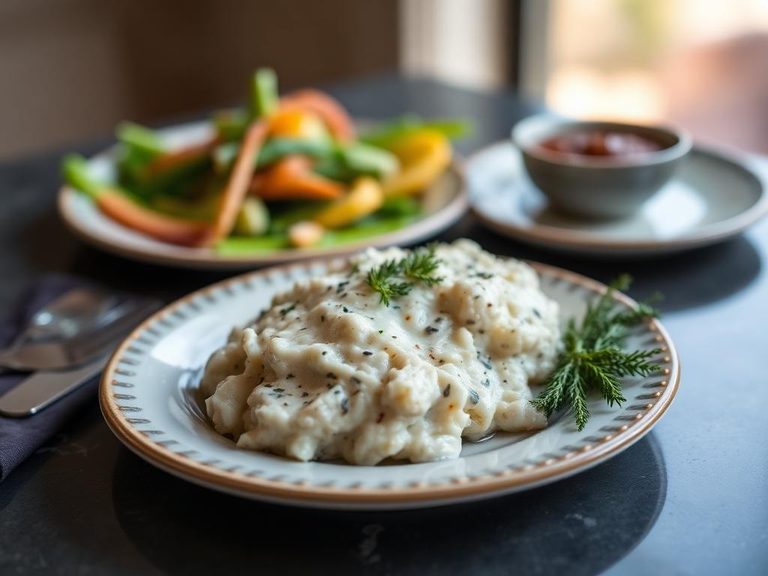
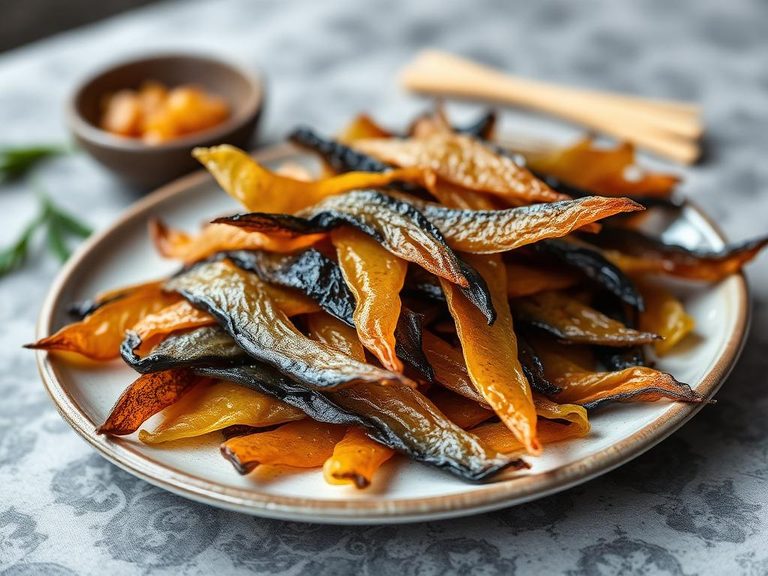
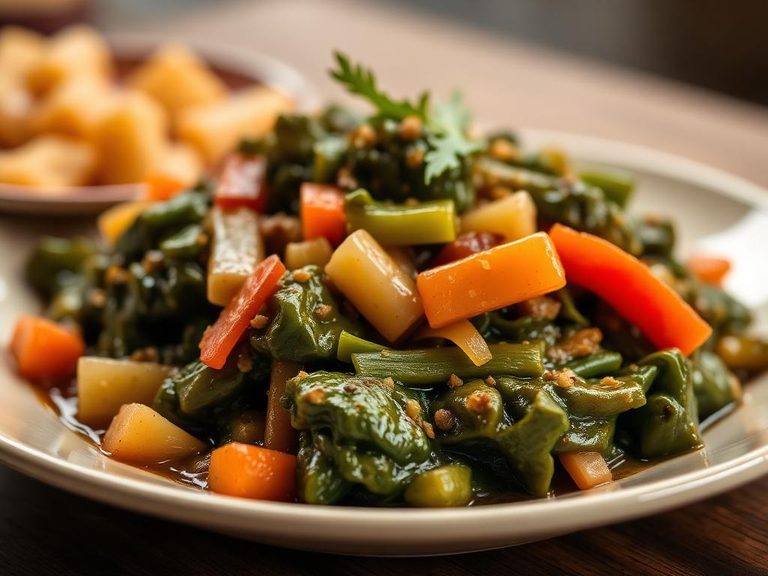
Alaska Native fish stews and soups are traditional, nourishing one-pot meals central to the subsistence cultures of Indigenous peoples like the Yup'ik, Inupiat, and Tlingit. They typically feature locally caught salmon, halibut, or other whitefish simmered with wild greens, berries, and sometimes seal oil or other marine fats. These dishes are a cornerstone of food sovereignty and connection to the land and sea.
🍽️ Nutrition at a glance
These stews are a high-protein, nutrient-dense meal, providing essential omega-3 fatty acids from the fish and a variety of vitamins and minerals from the wild-harvested plants. A typical serving is moderately caloric, roughly 300-400 kcal, with the exact count depending on the specific fish, added fats, and other ingredients.
Nutrition breakdown
| Calories | 350 kcal |
| Protein | 28 g |
| Carbs | 12 g |
| Fat | 20 g |
| Fiber | 3 g |
| Sugar | 4 g |
| Sodium | 480 mg |
| Omega-3 (EPA+DHA) | 1500 mg |
| Vitamin D | 15 mcg |
| Vitamin B12 | 8 mcg |
| Selenium | 40 mcg |
| Potassium | 620 mg |
| Iron | 2.5 mg |
| Vitamin A | 250 mcg RAE |
| Phosphorus | 320 mg |
Per 1 cup (240 g) · estimated, varies by recipe
💡 What's interesting
What's culturally unique is the use of 'country food'—ingredients obtained through traditional hunting, fishing, and foraging—which embodies deep ecological knowledge and seasonal living. Nutritionally, the combination of fish and wild plants creates a synergistic profile, offering complete protein alongside antioxidants and phytonutrients not found in typical store-bought ingredients.