Alaska Native Fish Spread
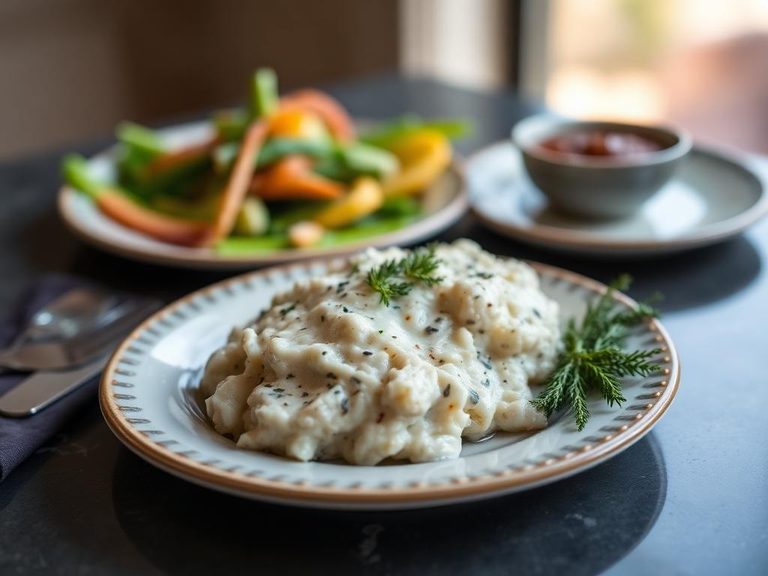
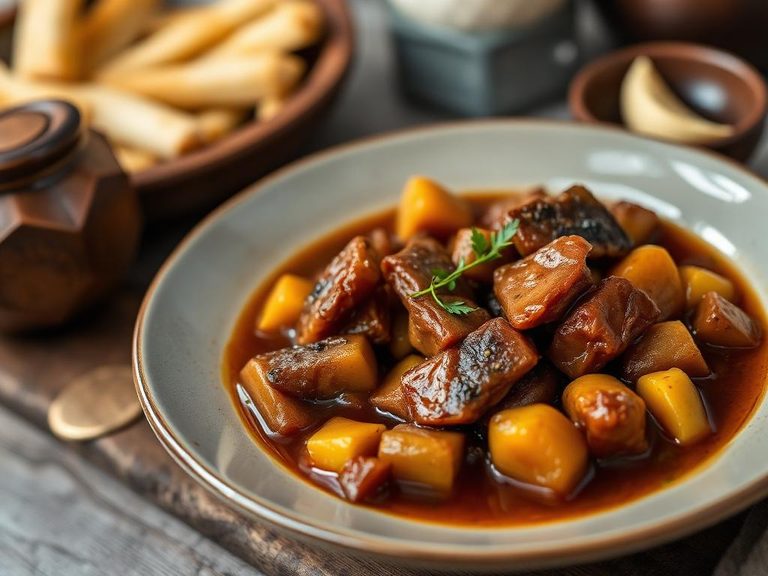
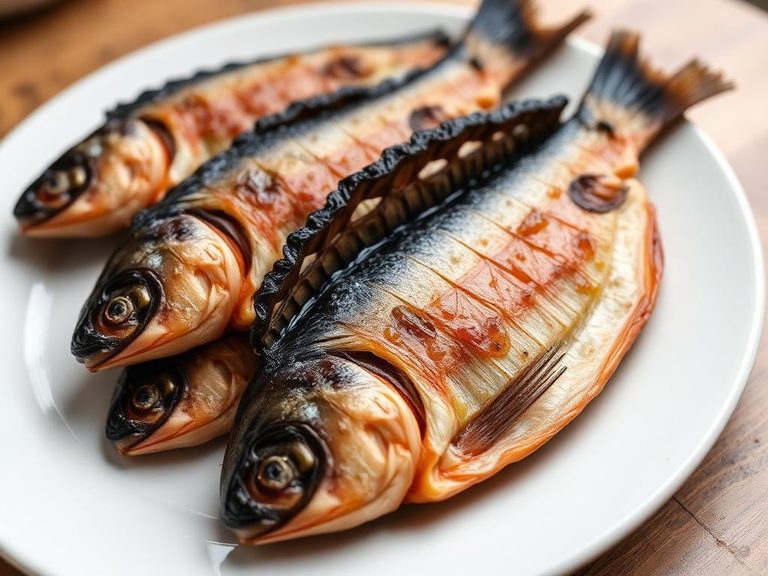
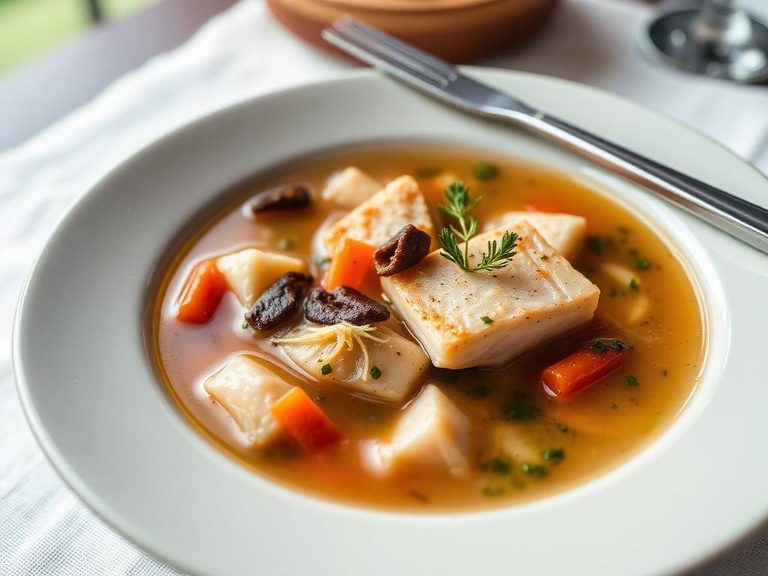
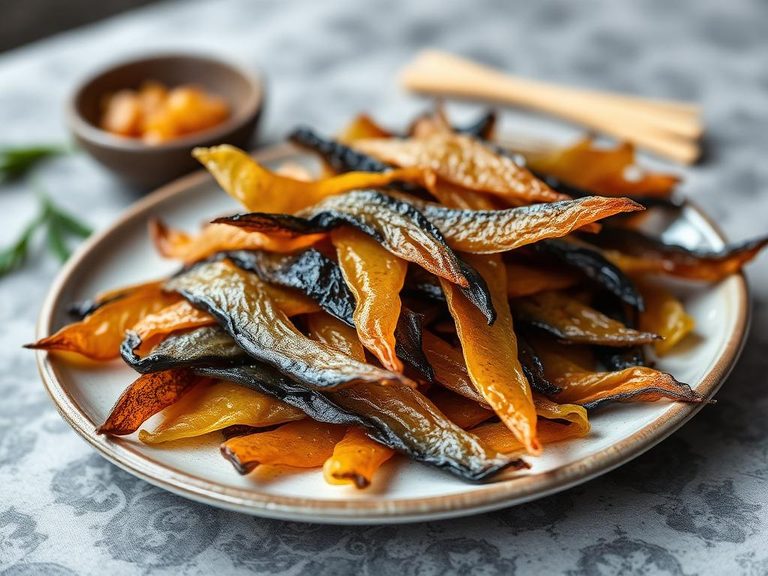
Alaska Native Fish Spread is a traditional, nutrient-dense food preparation from Indigenous communities in Alaska, typically made from finely shredded or minced fish like salmon or whitefish. The fish is often mixed with rendered animal fat, such as seal oil, and sometimes berries or other local ingredients, then preserved for later use. It represents a vital source of sustenance and a connection to subsistence practices in the Arctic and subarctic regions.
🍽️ Nutrition at a glance
This dish is exceptionally high in protein and healthy fats, providing a concentrated source of energy and essential nutrients. A single serving is relatively low in carbohydrates and offers a significant calorie boost, primarily from fats and proteins.
Nutrition breakdown
| Calories | 180 kcal |
| Protein | 12 g |
| Carbs | 1 g |
| Fat | 14 g |
| Fiber | 0 g |
| Sugar | 0 g |
| Sodium | 250 mg |
| Vitamin D | 10 mcg |
| Vitamin B12 | 4.5 mcg |
| Omega-3 (EPA+DHA) | 1.5 g |
| Selenium | 22 mcg |
| Phosphorus | 180 mg |
| Niacin (B3) | 4 mg |
| Potassium | 200 mg |
| Iron | 0.8 mg |
Per 1/4 cup (60 g) · estimated, varies by recipe
💡 What's interesting
Culturally, this spread is a cornerstone of food sovereignty and traditional knowledge, embodying centuries of adaptation to a challenging environment. Nutritionally, it's a powerhouse of omega-3 fatty acids and vitamin D, nutrients crucial for health in low-sunlight regions.