Alaska Native dried fish strips
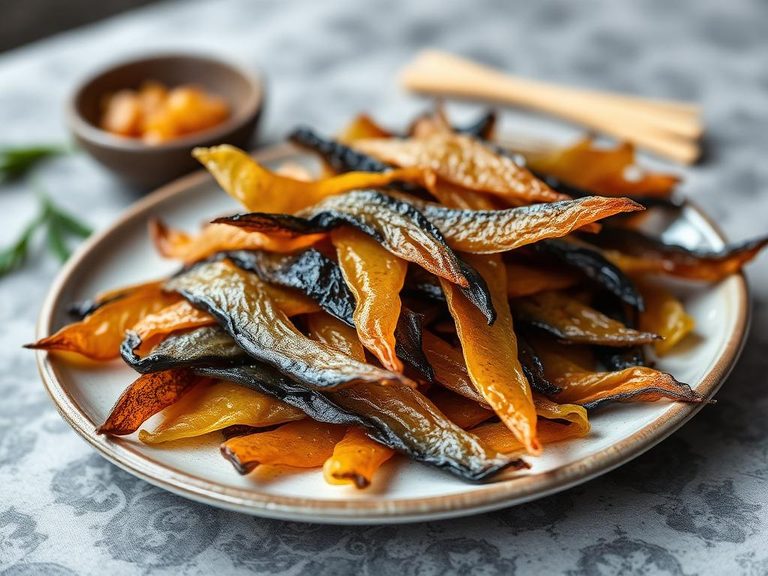
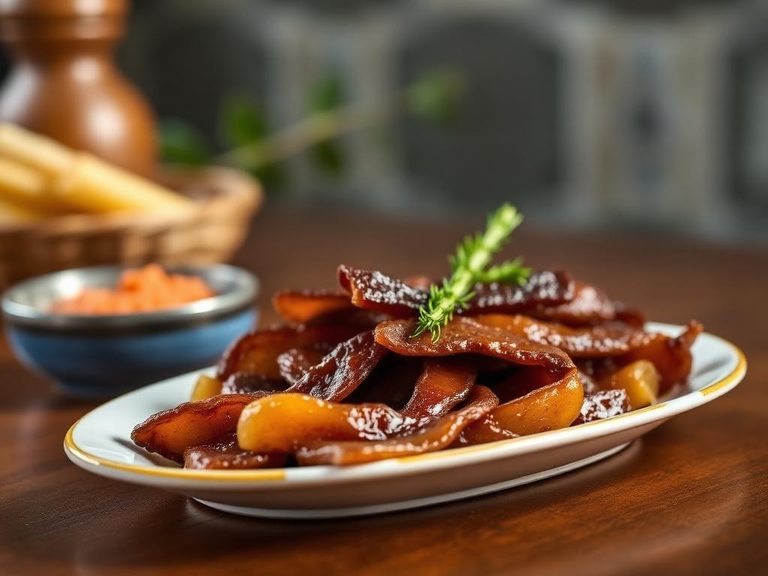
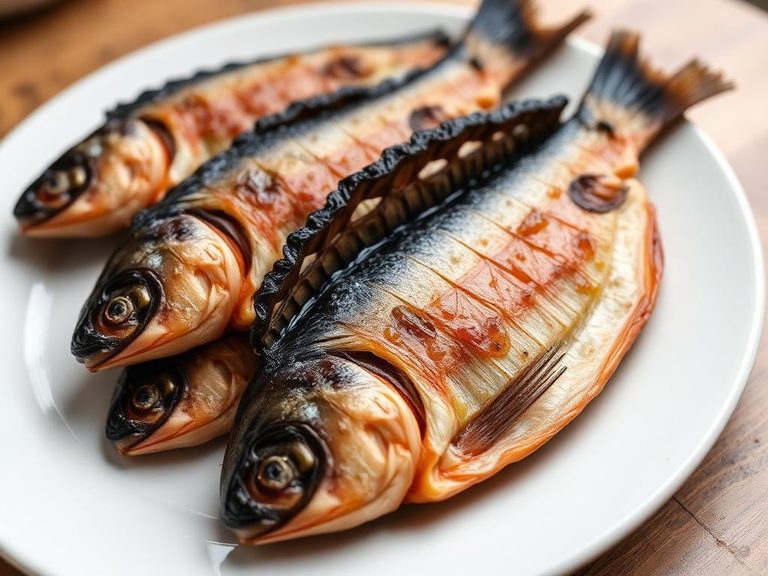
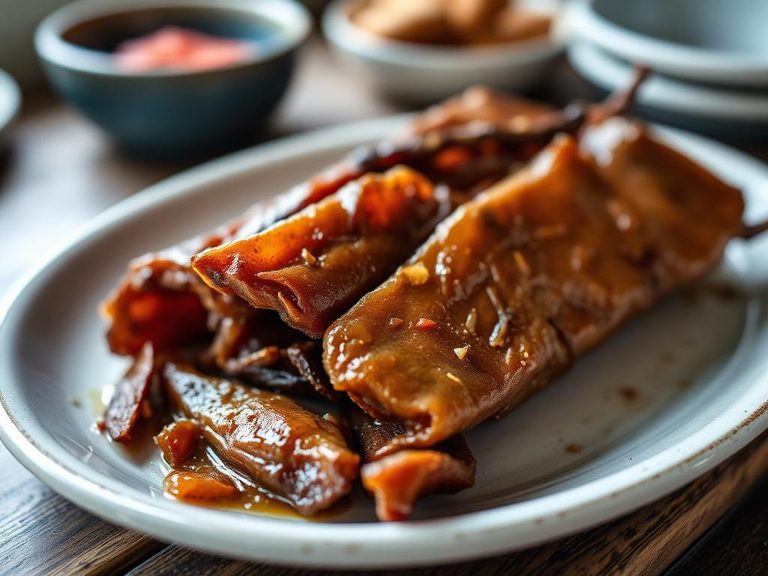
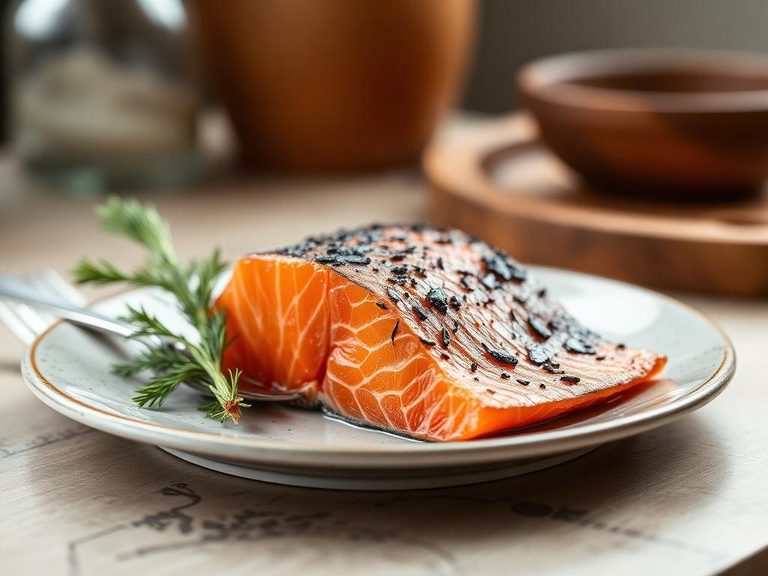
Alaska Native dried fish strips are a traditional preservation method where fish, often salmon or whitefish, is cut into thin strips and air-dried or smoked. This technique, used by Indigenous communities across Alaska, creates a lightweight, shelf-stable, and nutrient-dense food source. The preparation is a vital part of subsistence living and cultural heritage.
🍽️ Nutrition at a glance
This dish is extremely high in protein and very low in carbohydrates, making it a powerful source of lean energy. It provides essential nutrients like omega-3 fatty acids, vitamin D, and B vitamins, with a calorie count that varies significantly based on the fish type and drying method, but is generally around 150-200 calories per ounce.
Nutrition breakdown
| Calories | 170 kcal |
| Protein | 25 g |
| Carbs | 0 g |
| Fat | 7 g |
| Fiber | 0 g |
| Sugar | 0 g |
| Sodium | 350 mg |
| Omega-3 (EPA+DHA) | 1000 mg |
| Vitamin D | 15 mcg |
| Vitamin B12 | 4.5 mcg |
| Niacin (B3) | 8 mg |
| Selenium | 25 mcg |
| Phosphorus | 250 mg |
| Potassium | 300 mg |
| Magnesium | 30 mg |
Per 1 oz (28 g) · estimated, varies by recipe
💡 What's interesting
The drying process concentrates nutrients and flavors, creating a food that can last for months or even years without refrigeration, which was historically crucial for surviving harsh Alaskan winters. Nutritionally, it's a natural, unprocessed superfood, offering a pure source of protein and healthy fats without any added sugars or fillers.