Traditional Alaska Native fish liver stew
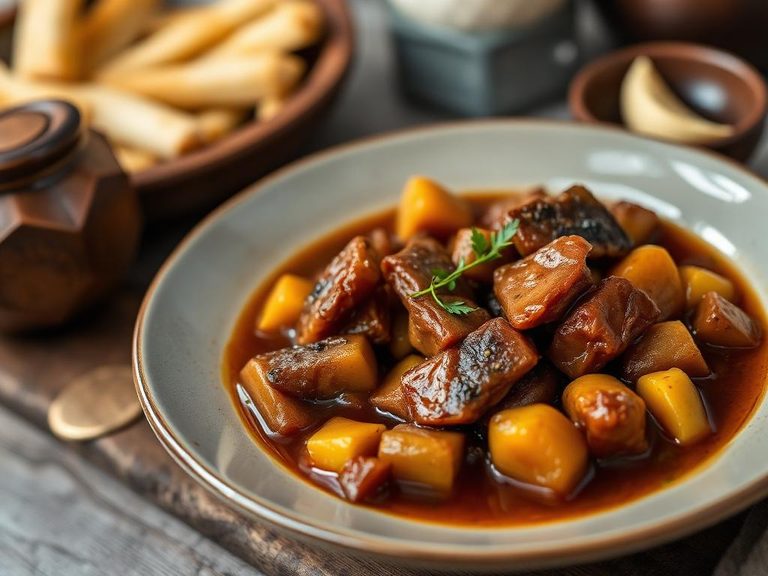
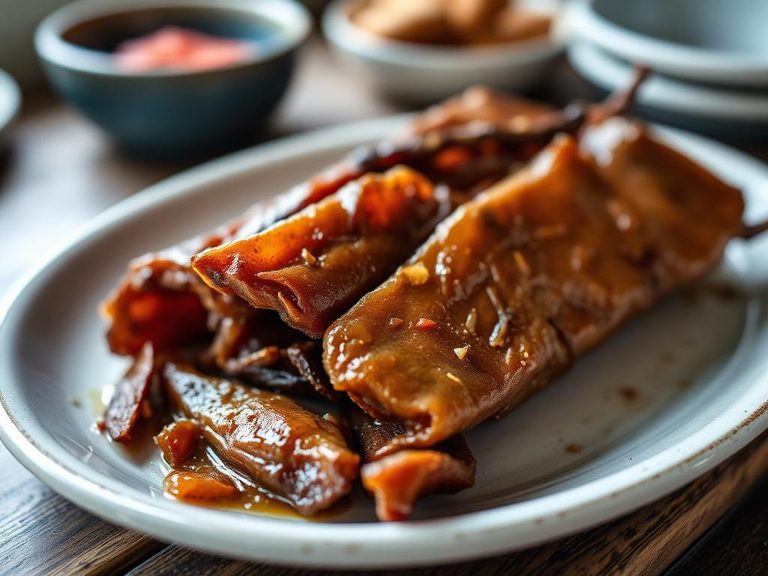
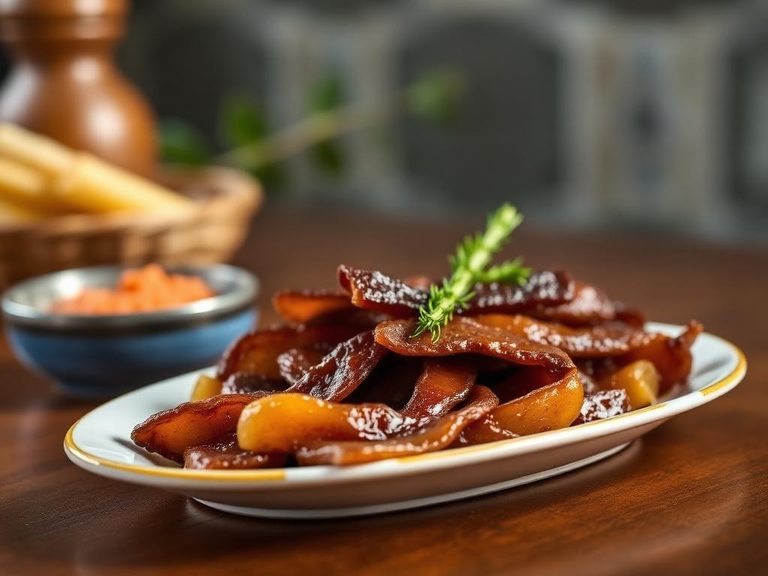
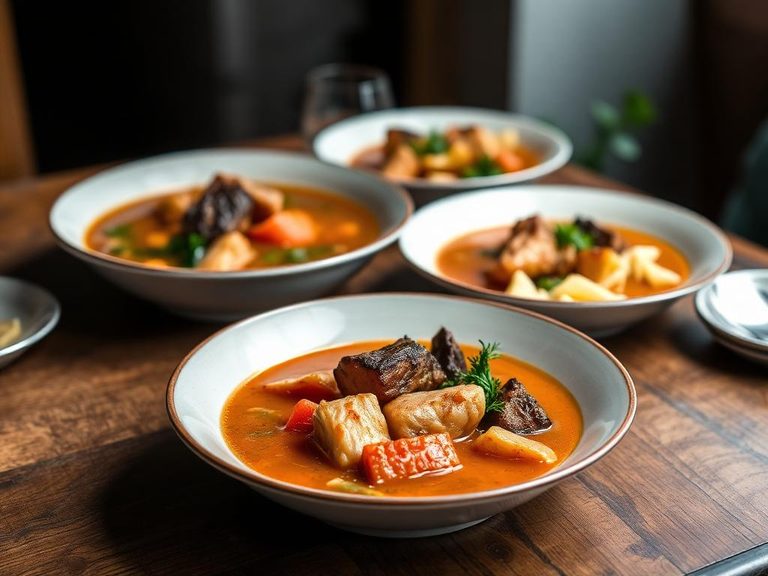
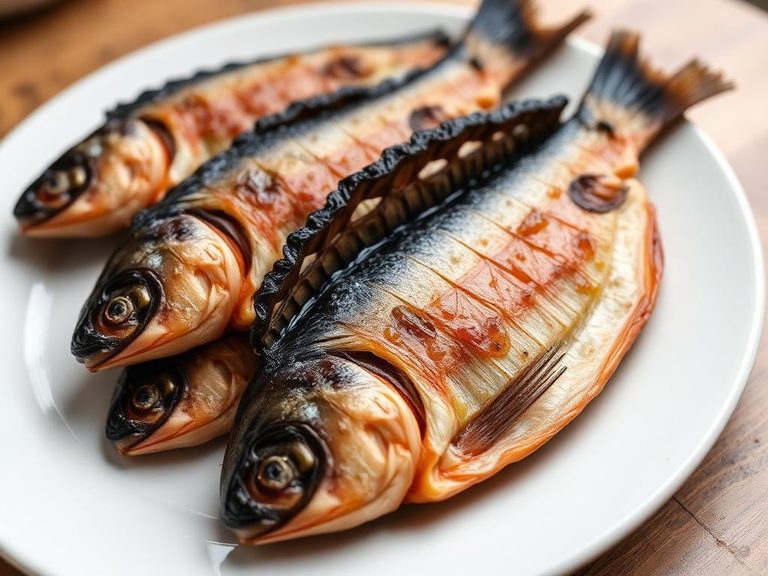
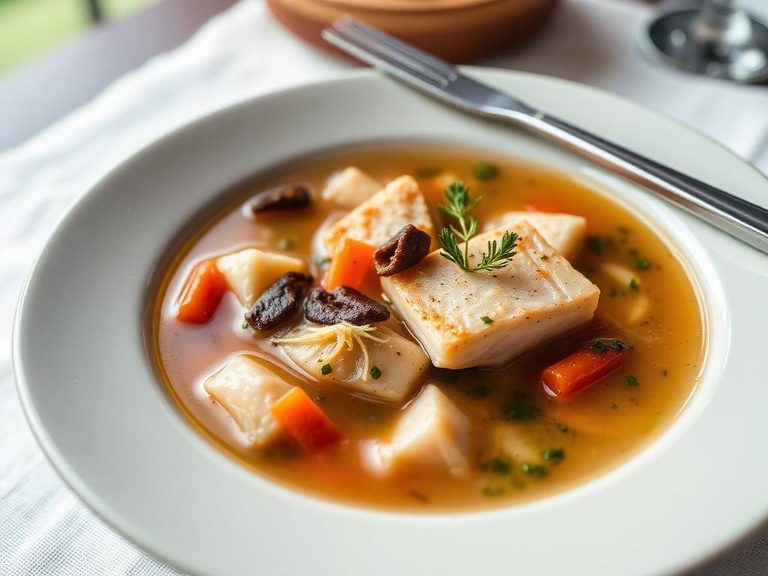
Traditional Alaska Native fish liver stew is a nutrient-dense, hearty soup made from the livers and sometimes other organs of fish like salmon or halibut. It is typically simmered with fish oil, water, and sometimes wild greens or berries, reflecting the resourceful use of all parts of the catch. This dish is a staple in various Indigenous cultures of Alaska, valued for its high nutritional content and historical significance.
🍽️ Nutrition at a glance
The stew is exceptionally high in fat and protein, providing a rich source of calories and essential nutrients. It is low in carbohydrates and offers a significant amount of vitamins A and D, omega-3 fatty acids, and minerals like iron and potassium, with a rough calorie ballpark of 300-400 kcal per serving.
Nutrition breakdown
| Calories | 350 kcal |
| Protein | 18 g |
| Carbs | 2 g |
| Fat | 30 g |
| Fiber | 0 g |
| Sugar | 0 g |
| Sodium | 300 mg |
| Vitamin A | 4500 IU |
| Vitamin D | 25 mcg |
| Omega-3 Fatty Acids | 2.5 g |
| Iron | 3 mg |
| Potassium | 400 mg |
| Vitamin B12 | 12 mcg |
| Phosphorus | 350 mg |
| Selenium | 40 mcg |
Per 1 cup (240 g) · estimated, varies by recipe
💡 What's interesting
Culturally, this stew embodies the principle of utilizing the entire fish, minimizing waste and maximizing nutrition in a challenging environment. Nutritionally, it is a powerhouse of vitamin D, which is crucial in regions with limited sunlight, and omega-3 fatty acids, which support heart and brain health.