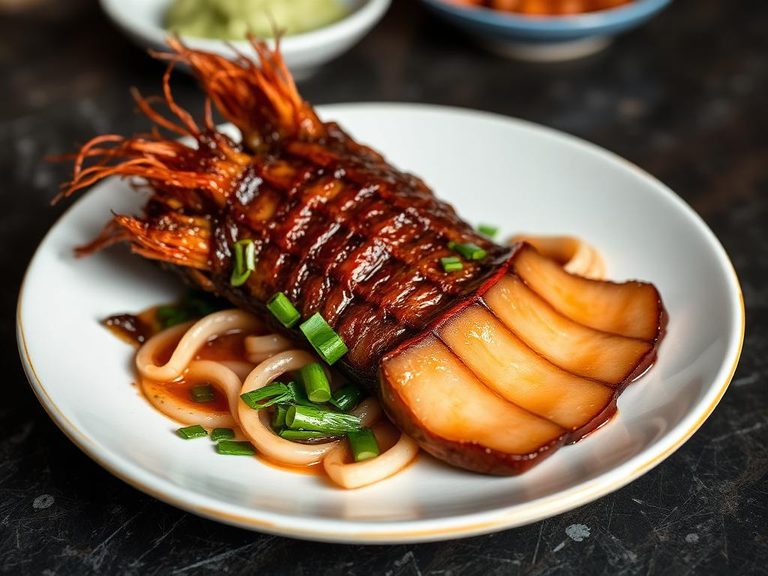
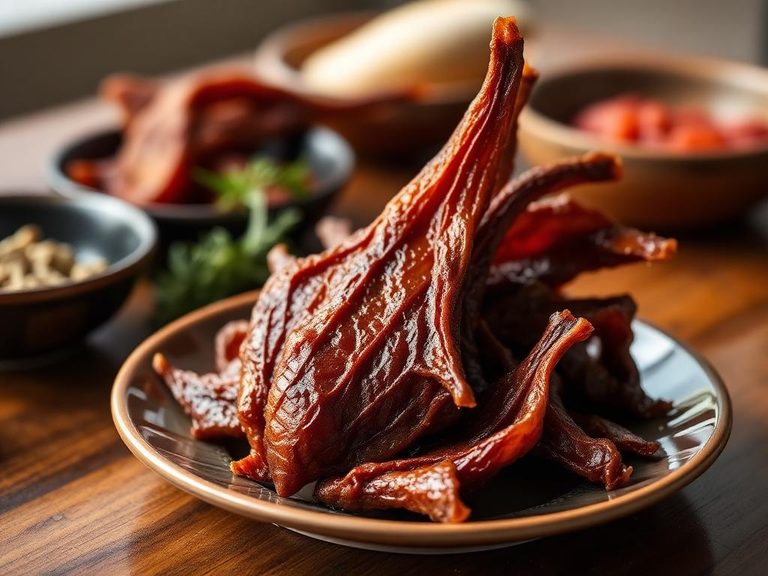
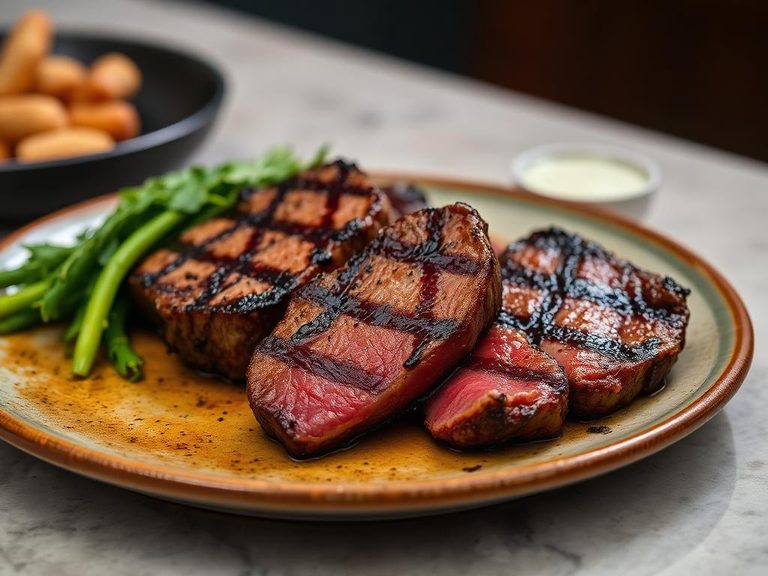
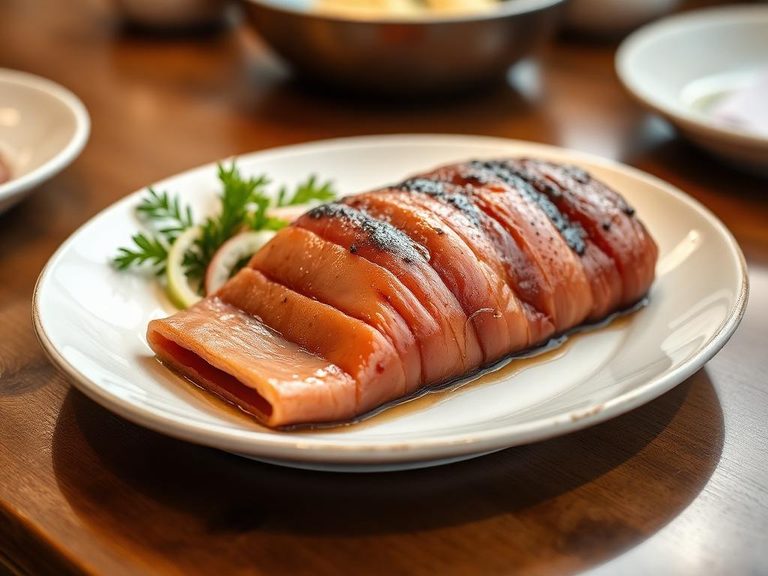
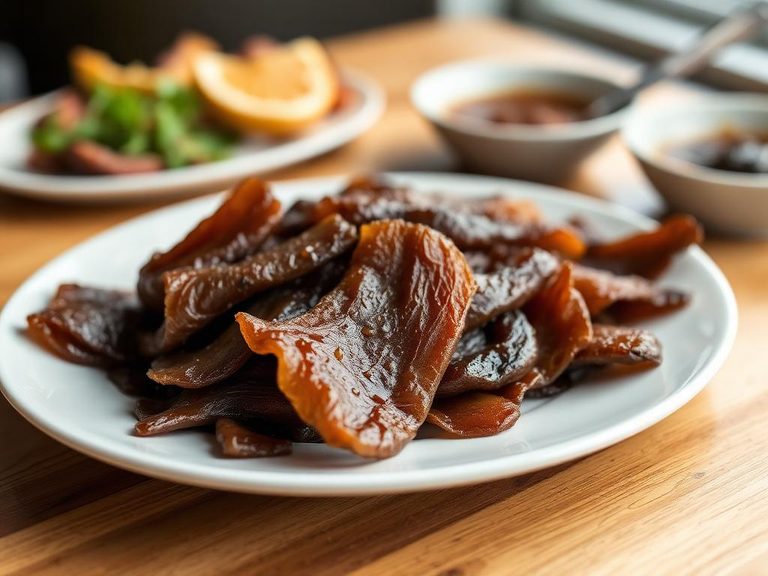
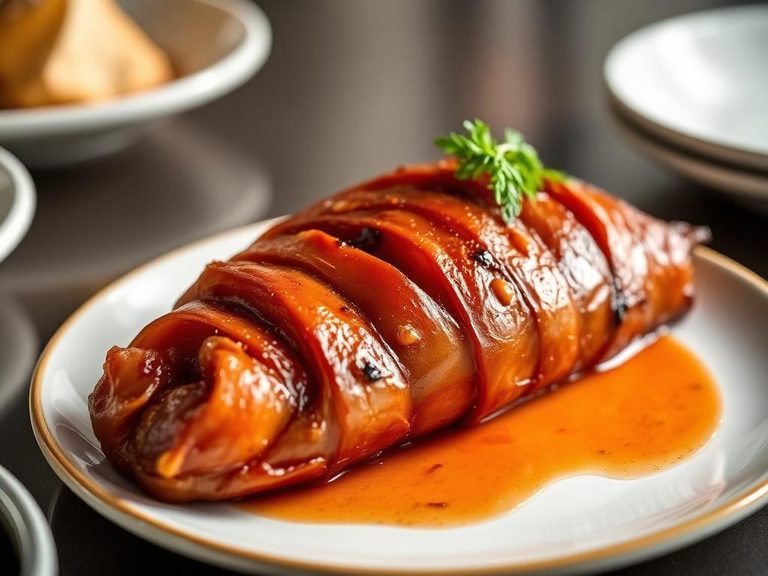
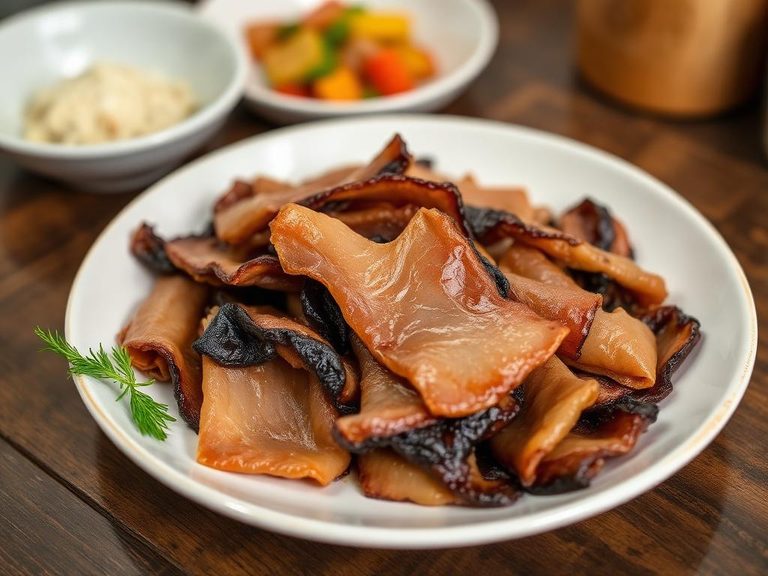
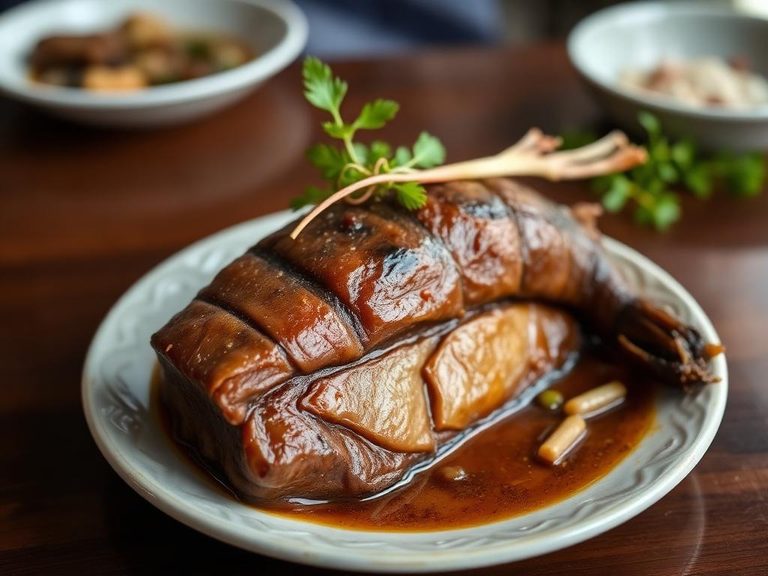
Grilled or roasted sea lion heart
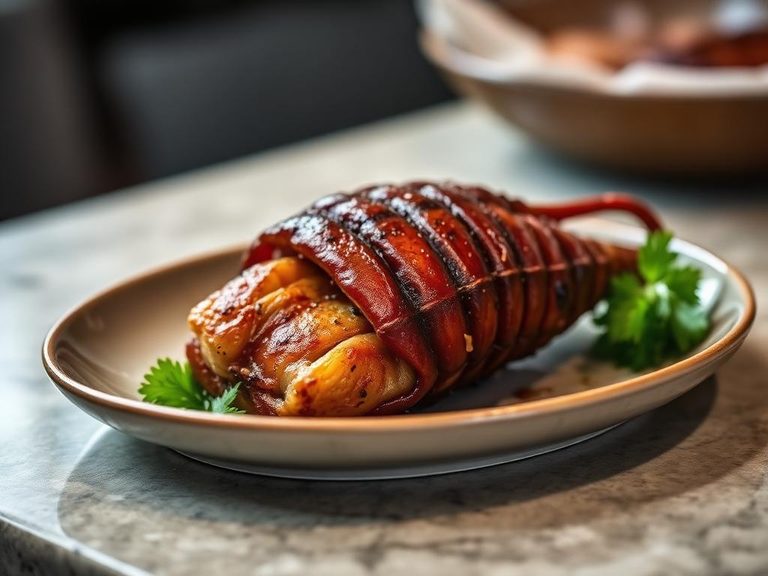
Grilled or roasted sea lion heart is a traditional, nutrient-dense dish primarily prepared and consumed by Indigenous Arctic communities, such as the Inuit and Yup'ik peoples. The dish typically involves cleaning the heart, often seasoning it with simple ingredients like salt, and then cooking it over an open flame or in an oven. It is considered a prized part of the animal, valued for its energy and nutritional content.
🍽️ Nutrition at a glance
This dish is exceptionally high in protein and very low in carbohydrates, providing a lean source of energy. It is a rich source of essential nutrients like iron, zinc, and B vitamins, particularly B12, with a rough calorie estimate of 150-200 kcal per 100-gram serving.
Nutrition breakdown
| Calories | 180 kcal |
| Protein | 33 g |
| Carbs | 0 g |
| Fat | 4 g |
| Fiber | 0 g |
| Sugar | 0 g |
| Sodium | 90 mg |
| Iron | 6.5 mg |
| Zinc | 4.2 mg |
| Vitamin B12 | 25 µg |
| Niacin (B3) | 9 mg |
| Riboflavin (B2) | 0.4 mg |
| Phosphorus | 280 mg |
| Selenium | 38 µg |
| Potassium | 320 mg |
Per 1 heart (approx. 150 g, edible portion) · estimated, varies by recipe
💡 What's interesting
Culturally, consuming organ meats like heart is a fundamental aspect of traditional Arctic subsistence diets, emphasizing the use of the whole animal for survival in harsh environments. Nutritionally, it is a powerhouse of heme iron, which is highly bioavailable and crucial for preventing anemia in iron-deficient populations.