Boiled sea lion meat
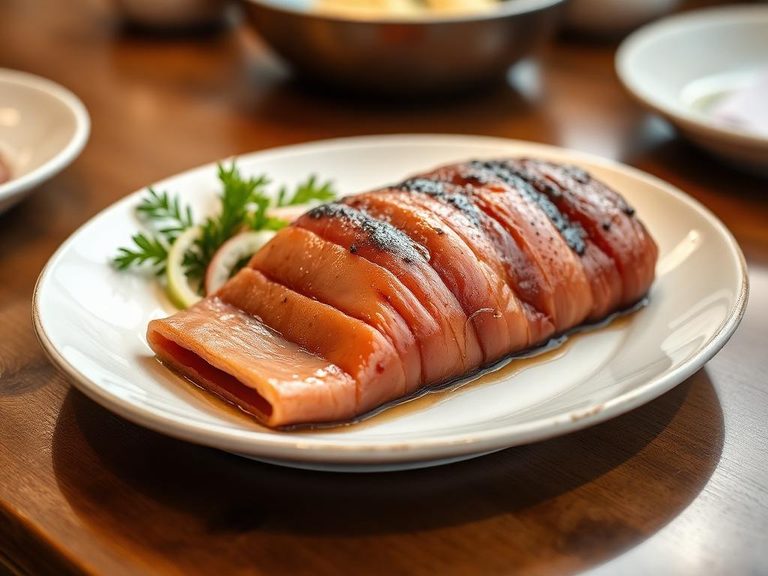
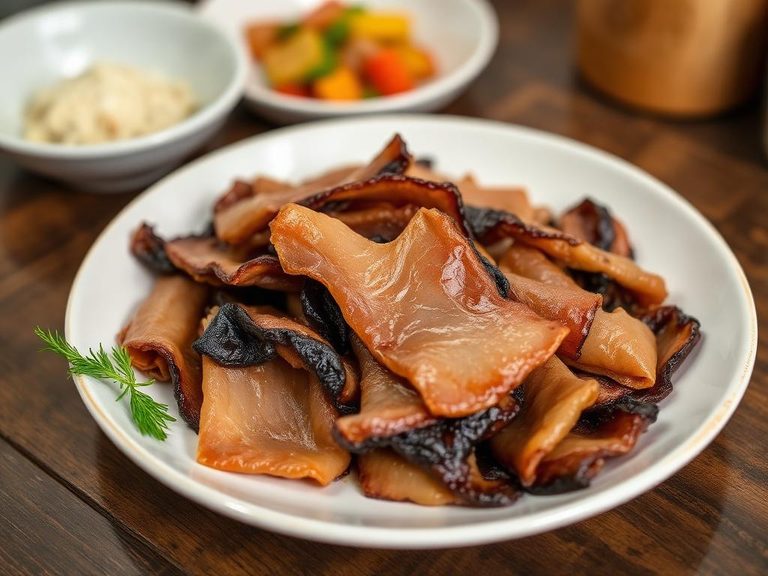
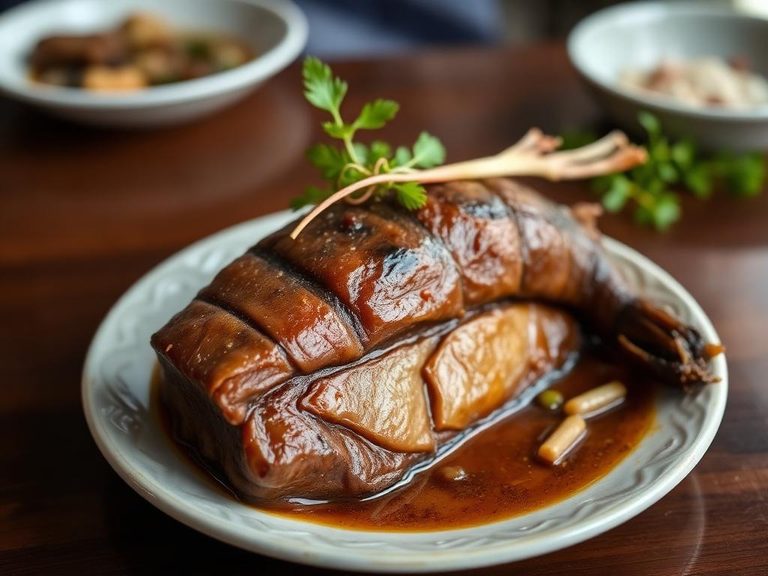
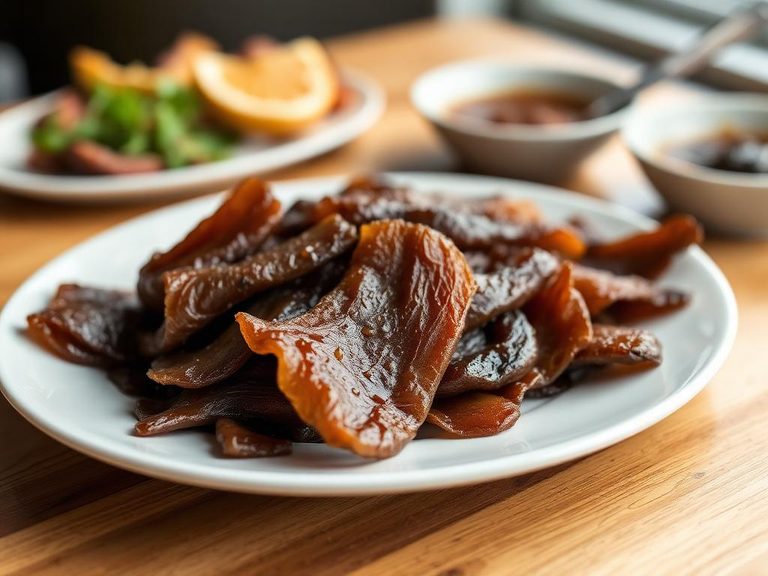
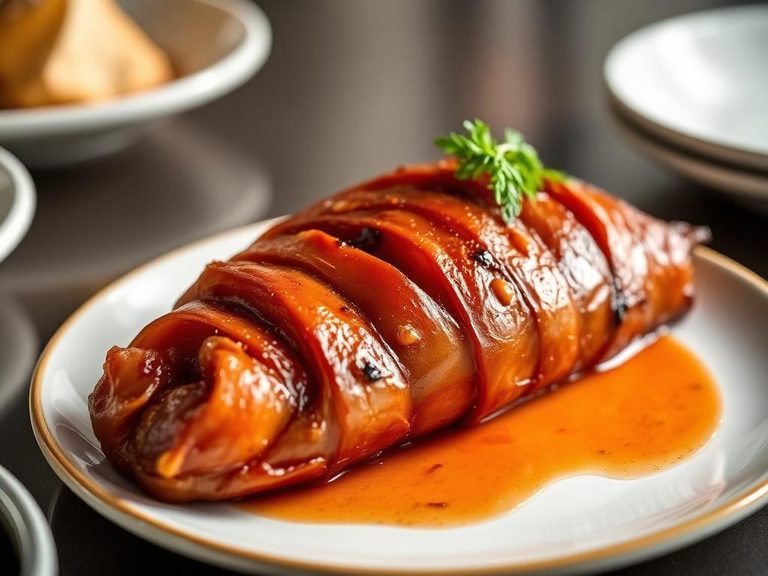
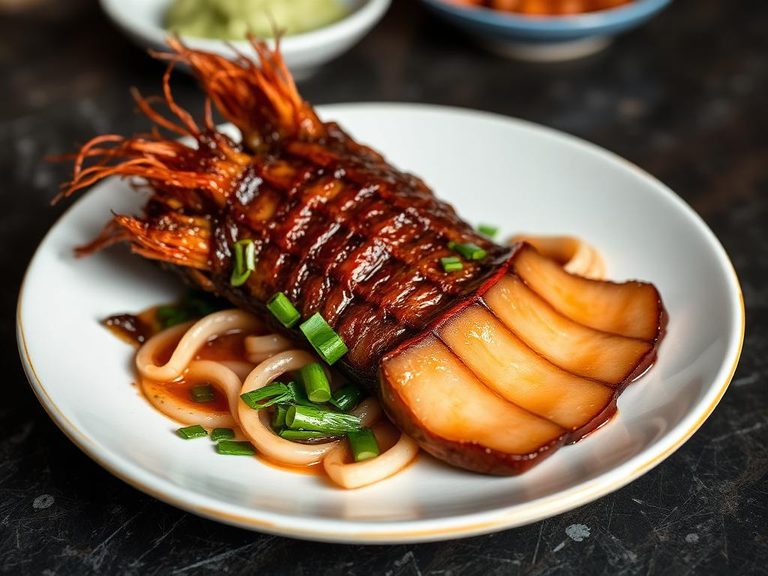
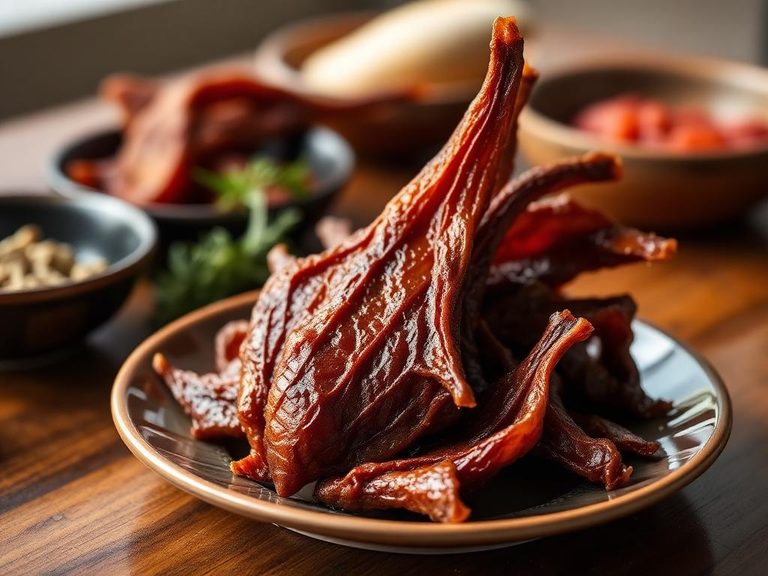
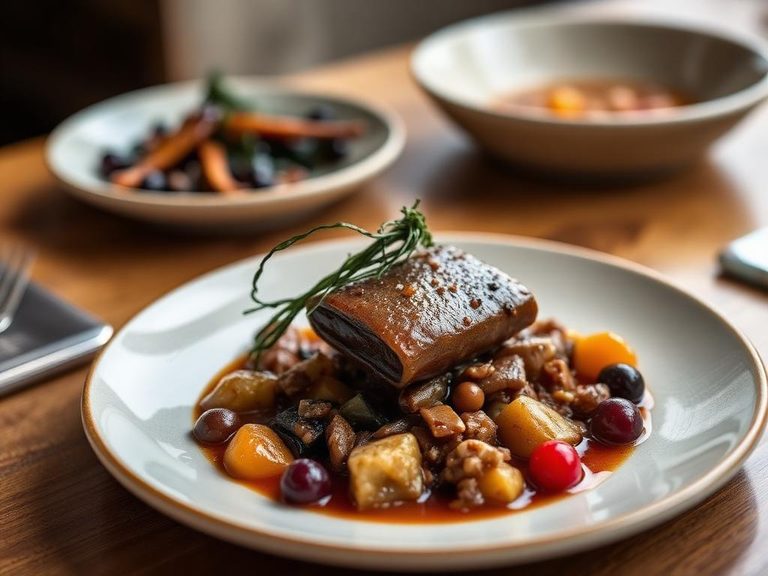
Boiled sea lion meat is a traditional dish primarily found in the coastal and indigenous communities of the Arctic and North Pacific regions, such as among the Inuit and Yup'ik peoples. The preparation typically involves simply boiling the lean, dark red meat of a sea lion, sometimes with basic seasonings or seaweed to enhance flavor. It is a subsistence food deeply connected to the marine hunting culture of these areas.
🍽️ Nutrition at a glance
This dish is exceptionally high in protein and provides a significant amount of healthy fats, particularly omega-3 fatty acids, with virtually no carbohydrates. A typical serving is a dense source of energy, offering a rough ballpark of 200-250 calories per 100 grams.
Nutrition breakdown
| Calories | 220 kcal |
| Protein | 28 g |
| Carbs | 0 g |
| Fat | 12 g |
| Fiber | 0 g |
| Sugar | 0 g |
| Sodium | 80 mg |
| Vitamin B12 | 20 mcg |
| Iron | 4.5 mg |
| Selenium | 40 mcg |
| Phosphorus | 250 mg |
| Niacin (B3) | 8 mg |
| Zinc | 3 mg |
| Omega-3 (EPA+DHA) | 1.5 g |
| Vitamin D | 6 mcg |
Per 100 grams (cooked, lean meat only) · estimated, varies by recipe
💡 What's interesting
Culturally, sea lion meat is a vital part of the traditional diet and spiritual practices for some Arctic indigenous groups, representing a direct connection to the sea and ancestral hunting knowledge. Nutritionally, it is a powerhouse of long-chain omega-3s (EPA and DHA), which are crucial for brain and heart health, and is extremely rich in iron and B12.