Stewed sea lion meat with roots
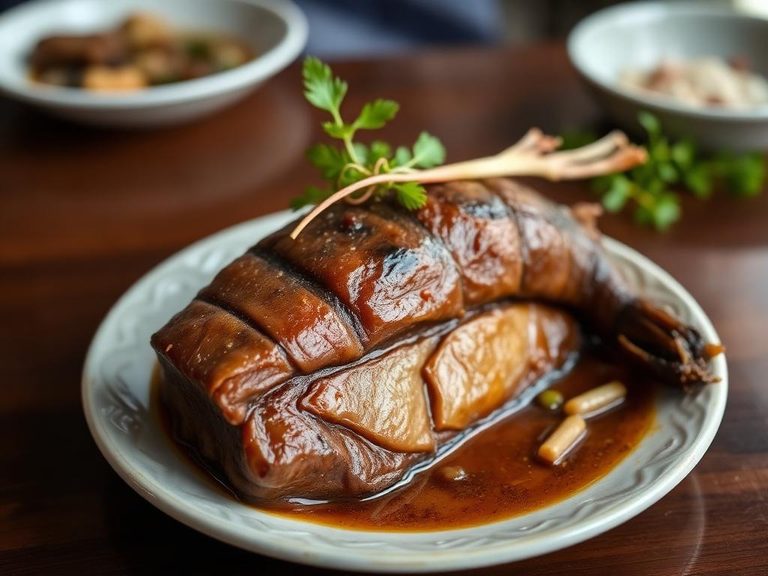
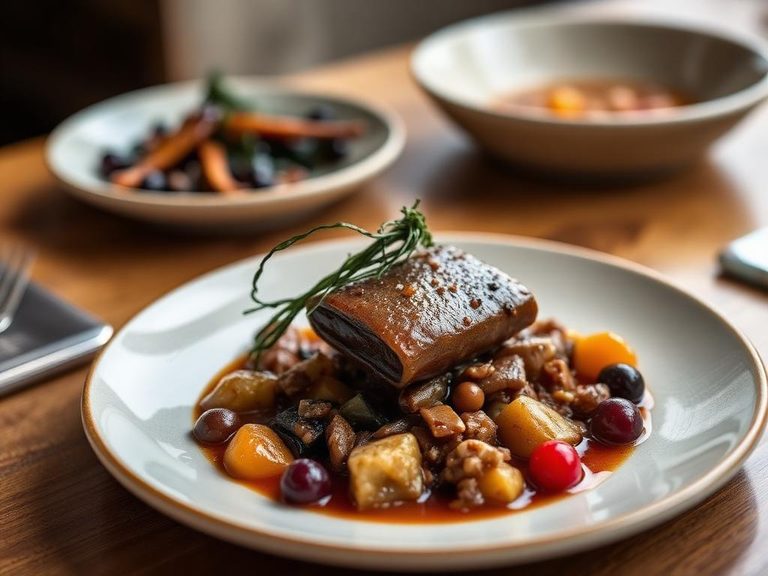
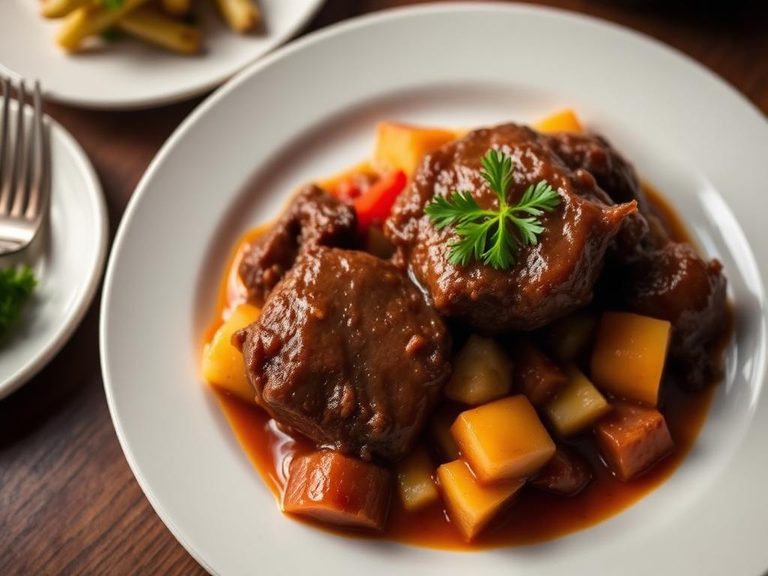
Stewed sea lion meat with roots is a traditional, hearty stew originating from Arctic and sub-Arctic coastal communities, such as those of the Inuit and Yup'ik peoples. The dish features slow-cooked sea lion meat, prized for its rich, gamey flavor, simmered with foraged or cultivated roots like wild carrots, turnips, or potatoes to create a nourishing, one-pot meal.
🍽️ Nutrition at a glance
This is a high-protein, high-fat dish with minimal carbohydrates, providing a dense source of energy, essential omega-3 fatty acids, and key minerals like iron and selenium. A typical serving can range from 300 to 450 calories, depending on the cut of meat and amount of fat included.
Nutrition breakdown
| Calories | 380 kcal |
| Protein | 28 g |
| Carbs | 12 g |
| Fat | 24 g |
| Fiber | 3 g |
| Sugar | 4 g |
| Sodium | 650 mg |
| Vitamin D | 15 mcg |
| Iron | 4.5 mg |
| Selenium | 42 mcg |
| Vitamin B12 | 8.2 mcg |
| Zinc | 6.1 mg |
| Omega-3 (EPA+DHA) | 1.2 g |
| Potassium | 520 mg |
| Phosphorus | 290 mg |
Per 1 cup (240 g) · estimated, varies by recipe
💡 What's interesting
Culturally, this dish represents a profound connection to subsistence hunting and the use of every part of the animal, with sea liver and other organs sometimes incorporated for added nutrients. Nutritionally, it's a potent source of vitamin D and long-chain omega-3s (EPA and DHA), which are crucial for health in low-sunlight environments.