

Turnips, raw
Whole food · Vegetables and Vegetable Products

Photo: Wikipedia
The turnip is a root vegetable with a crisp, juicy texture and a mildly peppery, slightly sweet flavor when raw. Its creamy white flesh and purple-tinged top make it visually distinctive, while its low calorie count (28 kcal per 100g) and fiber content (1.8g) make it a nutrient-dense, hydrating addition to meals.
Calorie split: 12% protein · 85% carbs · 3% fat
↓ Full nutrition💚 Why it's loved
People love turnips for their versatility—they can be roasted, mashed, or eaten raw in salads—and their earthy, slightly sweet flavor that complements both hearty and light dishes. In many cultures, they are a staple comfort food, symbolizing simplicity and nourishment.
⚠️ Watch-outs & how to enjoy it better
Some find raw turnips overly bitter or peppery, which can be off-putting; this bitterness is due to glucosinolates and can be reduced by cooking, peeling, or pairing with sweet or fatty ingredients like honey or butter. Those with thyroid conditions may want to moderate intake, as glucosinolates can interfere with iodine uptake, though cooking significantly reduces this effect.
Key benefits
- Low-calorie, high-fiber food supporting digestive health
- Rich in vitamin C, an antioxidant that supports immune function
- Contains glucosinolates, compounds studied for their potential anti-inflammatory properties
- Provides potassium, which helps regulate blood pressure
- Naturally hydrating with high water content (about 94%)
🍽️ Popular dishes
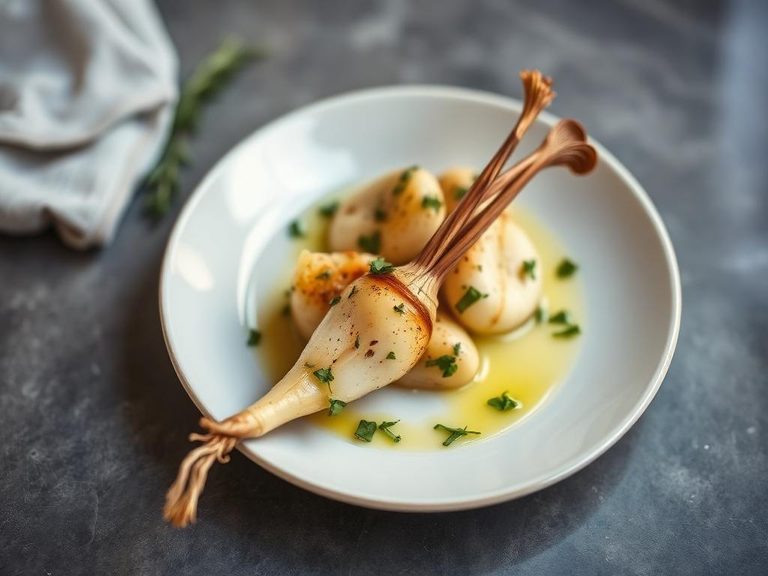
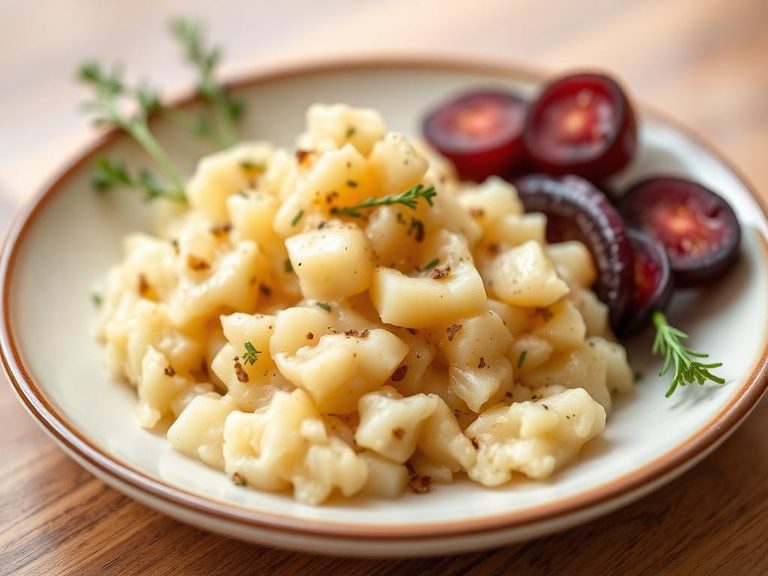
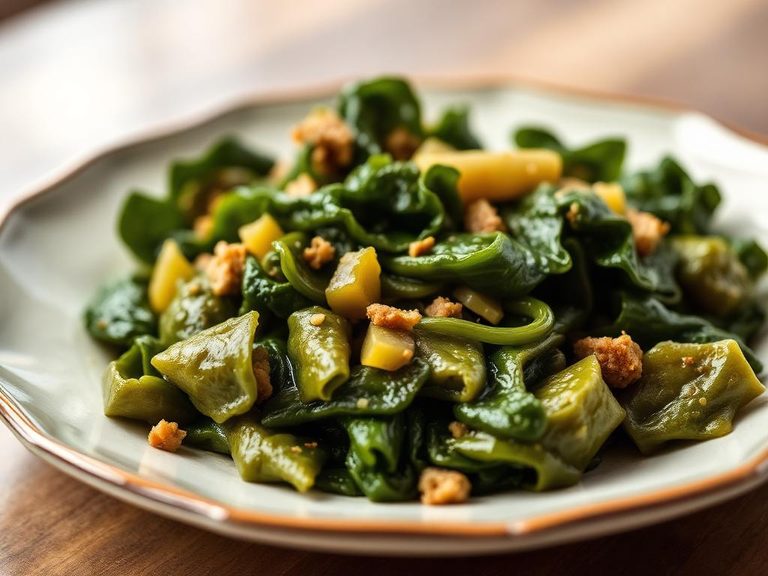
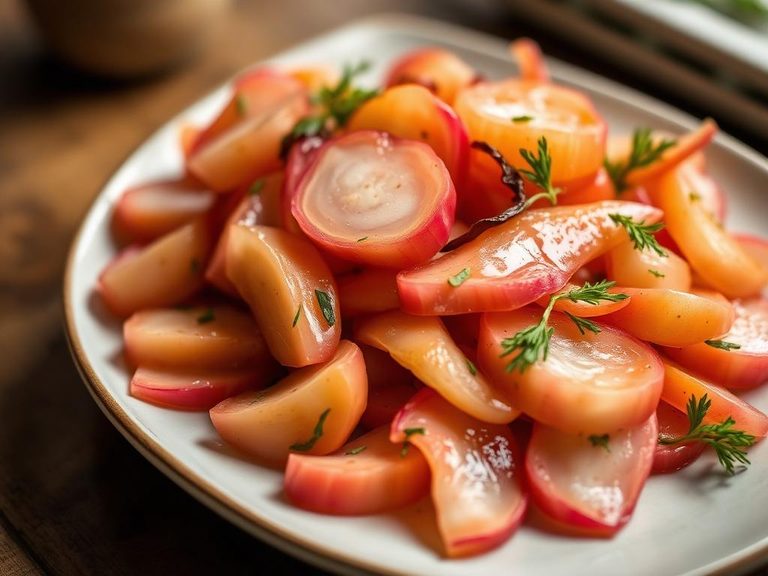
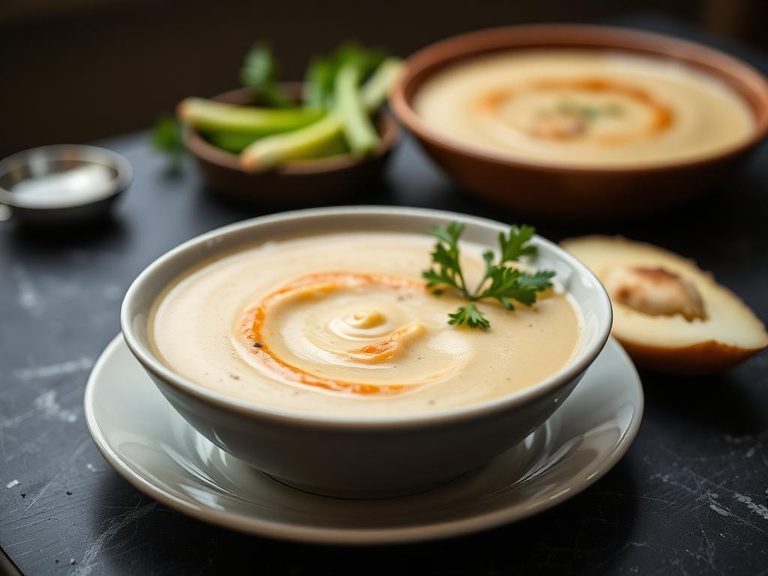
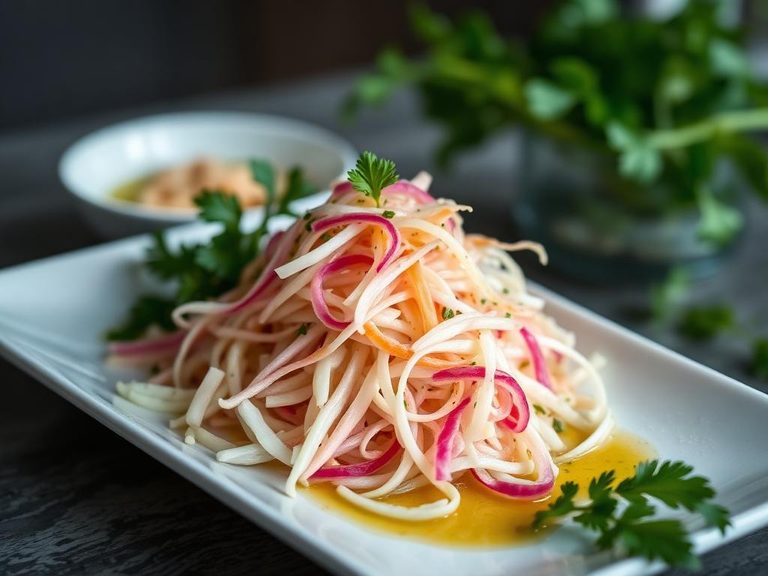
🌍 Where it's eaten
💡 Did you know?
Turnips were once used as currency in parts of medieval Europe, and their leaves were more valued than the roots until the 18th century.
Full nutrition (USDA data · scales with serving)
| Water | 91.9 g |
| Energy | 28.0 kcal |
| Energy | 117 kj |
| Protein | 0.90 g |
| Total lipid (fat) | 0.10 g |
| Ash | 0.70 g |
| Carbohydrate, by difference | 6.4 g |
| Fiber, total dietary | 1.8 g |
| Total Sugars | 3.8 g |
| Calcium, Ca | 30.0 mg |
| Iron, Fe | 0.30 mg |
| Magnesium, Mg | 11.0 mg |
| Phosphorus, P | 27.0 mg |
| Potassium, K | 191 mg |
| Sodium, Na | 67.0 mg |
| Zinc, Zn | 0.27 mg |
| Copper, Cu | 0.09 mg |
| Manganese, Mn | 0.13 mg |
| Selenium, Se | 0.70 ug |
| Vitamin C, total ascorbic acid | 21.0 mg |
| Thiamin | 0.04 mg |
| Riboflavin | 0.03 mg |
| Niacin | 0.40 mg |
| Pantothenic acid | 0.20 mg |
| Vitamin B-6 | 0.09 mg |
| Folate, total | 15.0 ug |
| Folic acid | 0.00 ug |
| Folate, food | 15.0 ug |
| Folate, DFE | 15.0 ug |
| Choline, total | 11.1 mg |
| Vitamin B-12 | 0.00 ug |
| Vitamin B-12, added | 0.00 ug |
| Vitamin A, RAE | 0.00 ug |
| Retinol | 0.00 ug |
| Carotene, beta | 0.00 ug |
| Carotene, alpha | 0.00 ug |
| Cryptoxanthin, beta | 0.00 ug |
| Vitamin A, IU | 0.00 iu |
| Lycopene | 0.00 ug |
| Lutein + zeaxanthin | 0.00 ug |
| Vitamin E (alpha-tocopherol) | 0.03 mg |
| Vitamin E, added | 0.00 mg |
| Vitamin D (D2 + D3), International Units | 0.00 iu |
| Vitamin D (D2 + D3) | 0.00 ug |
| Vitamin K (phylloquinone) | 0.10 ug |
| Alcohol, ethyl | 0.00 g |
| Caffeine | 0.00 mg |
| Theobromine | 0.00 mg |
Fat & fatty acid profile (per 100g)
| Fatty acids, total saturated | 0.01 g |
| SFA 4:0 | 0.00 g |
| SFA 6:0 | 0.00 g |
| SFA 8:0 | 0.00 g |
| SFA 10:0 | 0.00 g |
| SFA 12:0 | 0.00 g |
| SFA 14:0 | 0.00 g |
| SFA 16:0 | 0.01 g |
| SFA 18:0 | 0.00 g |
| Fatty acids, total monounsaturated | 0.01 g |
| MUFA 16:1 | 0.00 g |
| MUFA 18:1 | 0.01 g |
| MUFA 20:1 | 0.00 g |
| MUFA 22:1 | 0.00 g |
| Fatty acids, total polyunsaturated | 0.05 g |
| PUFA 18:2 | 0.01 g |
| PUFA 18:3 | 0.04 g |
| PUFA 18:4 | 0.00 g |
| PUFA 20:4 | 0.00 g |
| PUFA 20:5 n-3 (EPA) | 0.00 g |
| PUFA 22:5 n-3 (DPA) | 0.00 g |
| PUFA 22:6 n-3 (DHA) | 0.00 g |
| Fatty acids, total trans | 0.00 g |
| Cholesterol | 0.00 mg |
| Phytosterols | 7.0 mg |
Amino acid profile (per 100g)
| Tryptophan | 0.01 g |
| Threonine | 0.03 g |
| Isoleucine | 0.04 g |
| Leucine | 0.03 g |
| Lysine | 0.04 g |
| Methionine | 0.01 g |
| Cystine | 0.01 g |
| Phenylalanine | 0.02 g |
| Tyrosine | 0.01 g |
| Valine | 0.03 g |
| Arginine | 0.02 g |
| Histidine | 0.01 g |
| Alanine | 0.04 g |
| Aspartic acid | 0.06 g |
| Glutamic acid | 0.13 g |
| Glycine | 0.03 g |
| Proline | 0.03 g |
| Serine | 0.03 g |
FAQ
Are turnips and rutabagas the same thing?
No, they are different vegetables. Turnips (Brassica rapa) are smaller, white with purple tops, and have a milder, peppery flavor. Rutabagas (Brassica napobrassica) are larger, yellowish, and sweeter with a denser texture.
Can I eat turnip greens?
Yes, turnip greens are edible and nutritious, often cooked in Southern U.S. cuisine or stir-fried in Asian dishes. They are rich in vitamins A, C, and K, and calcium.
How should I store raw turnips?
Store raw turnips in a cool, dark place like a root cellar or refrigerator crisper drawer. They can last several weeks if kept dry and unwashed, but remove the greens to prevent moisture loss.
Nutrient density (calculated · NRF9.3)
Nutrient Rich Foods index: beneficial nutrients (protein, fiber, vitamins, minerals) minus saturated fat, added sugar & sodium, per 100 kcal.
NRF9.3 index — Fulgoni, Keast & Drewnowski, 2009. Computed from USDA nutrients.
Weight-loss friendliness (composite index)
Energy density 0.28 kcal/g · 13% calories from protein · 1.8 g fiber · 3.8 g sugar per 100 g.
Composite of energy density (Rolls et al., 1999), protein & fiber satiety, minus sugar. A calculated heuristic — ranks satiety-per-calorie, not a clinical measure.
Dietary load (calculated from USDA values)
Potential renal acid load. Positive = acid-forming, negative = alkaline-forming.
Sodium-to-potassium ratio: 0.35 (lower is better — aim for ≤ 1)
Sodium:potassium per WHO potassium guidance. Computed from USDA nutrients.