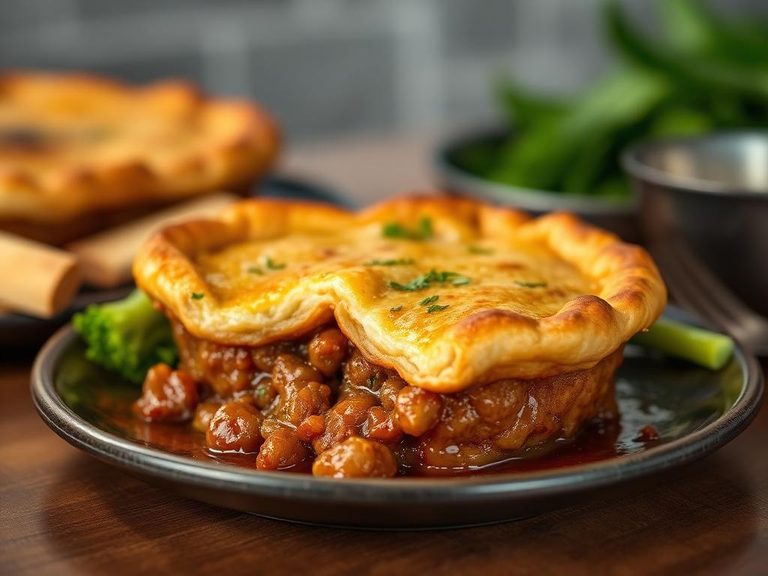
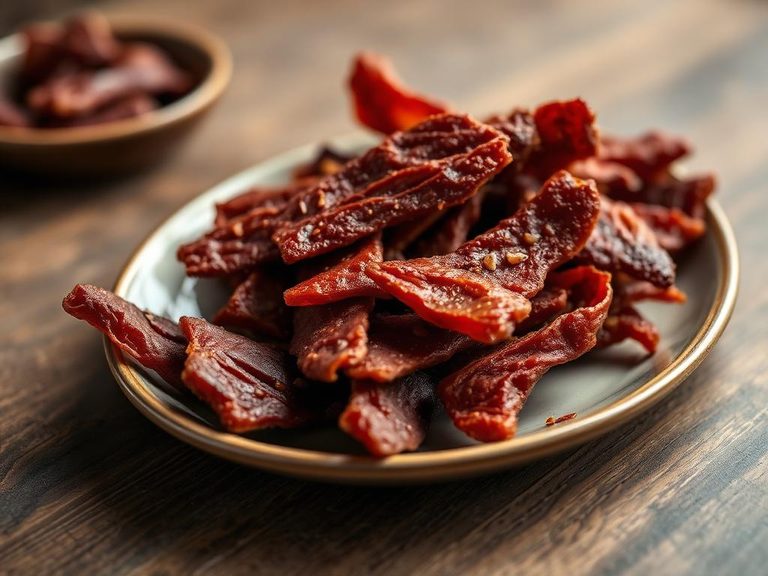
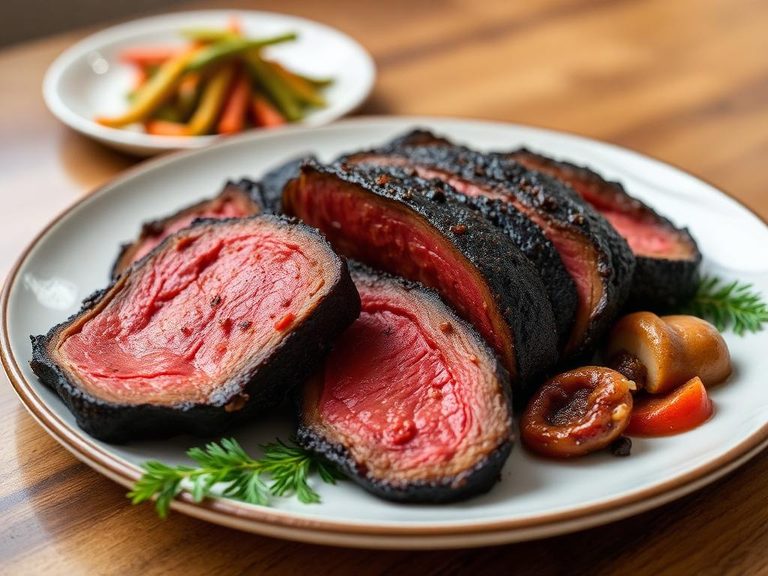
Fermented polar bear meat (Iqaluk)
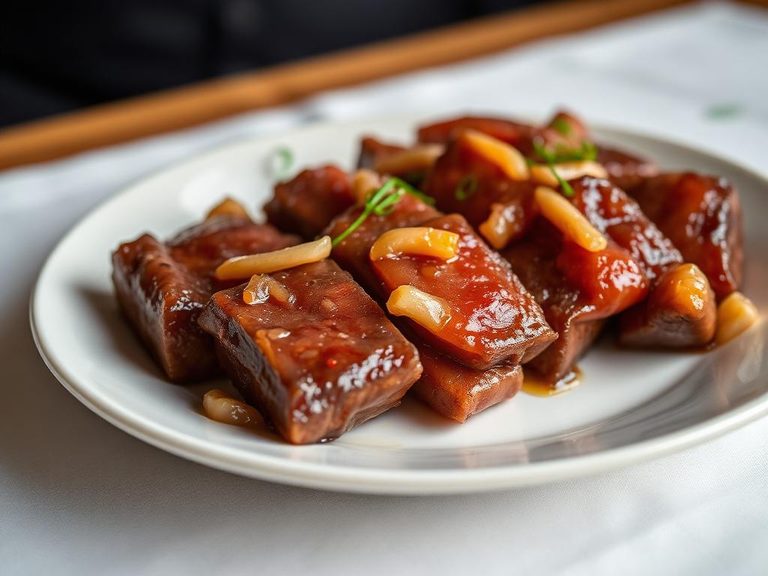
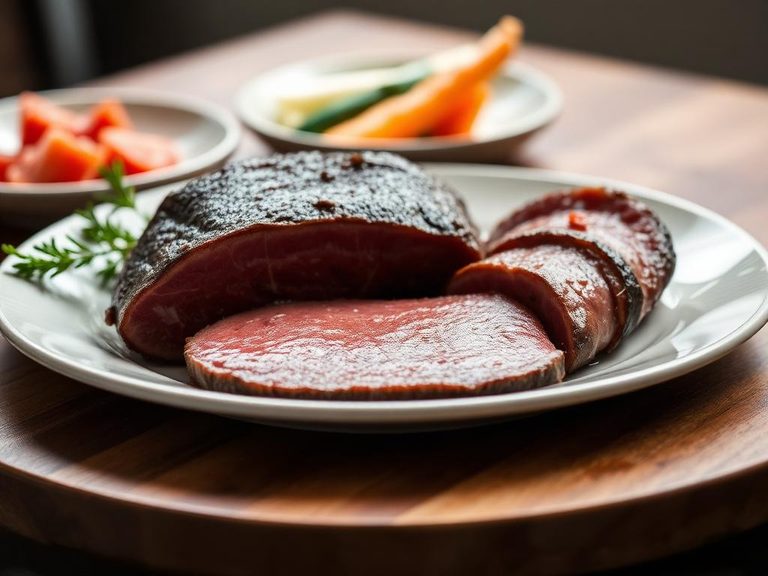
Iqaluk is a traditional Inuit dish made from fermented polar bear meat, typically prepared by burying the meat or stomach contents in the ground for several weeks to months. It is a high-energy, preserved food historically consumed in Arctic regions like Nunavut, Canada, and parts of Greenland.
🍽️ Nutrition at a glance
This dish is extremely high in protein and fat, providing a dense source of calories and essential nutrients for survival in cold climates. A single serving can offer over 500 calories, with significant amounts of vitamins A and D, iron, and omega-3 fatty acids from the bear's diet.
Nutrition breakdown
| Calories | 580 kcal |
| Protein | 45 g |
| Carbs | 0 g |
| Fat | 42 g |
| Fiber | 0 g |
| Sugar | 0 g |
| Sodium | 350 mg |
| Vitamin A | 900 mcg RAE |
| Vitamin D | 15 mcg |
| Iron | 8 mg |
| Zinc | 12 mg |
| Omega-3 (EPA+DHA) | 1.5 g |
| Selenium | 50 mcg |
| Vitamin B12 | 25 mcg |
| Phosphorus | 400 mg |
Per 1 cup (240 g) · estimated, varies by recipe
💡 What's interesting
Fermentation was a vital preservation method in the Arctic, where fresh meat was scarce in winter, and Iqaluk is culturally significant as a communal food often shared during celebrations. Nutritionally, the fermentation process can increase bioavailability of certain nutrients and produce beneficial compounds, though it requires careful preparation to avoid pathogens.