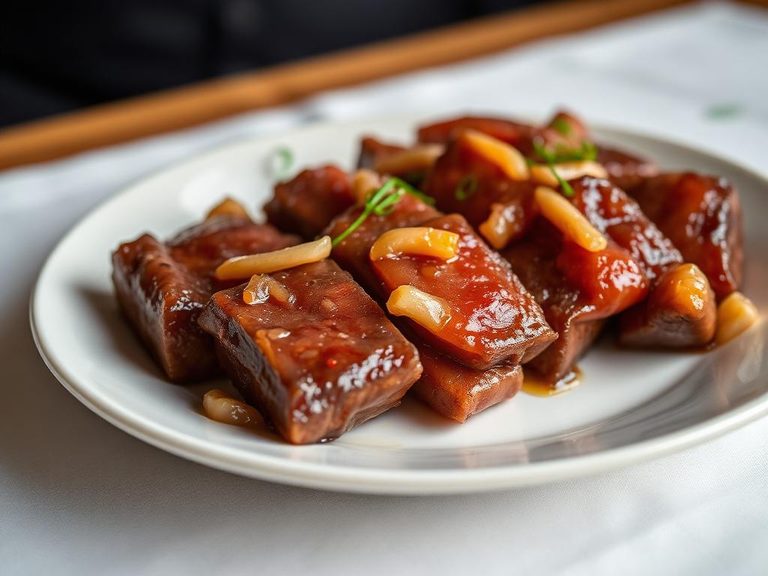
Iqaluk
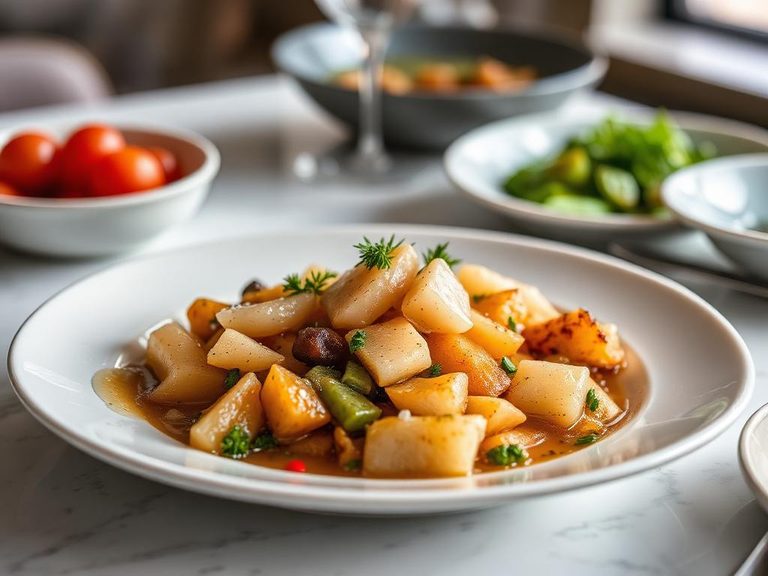
Iqaluk is a traditional Inuit dish consisting of fermented or aged Arctic char, a cold-water fish native to the Arctic and subarctic regions. The preparation typically involves cleaning the fish, then either fermenting it in a pit or hanging it to dry and age in the cold, dry air, resulting in a pungent, preserved food.
🍽️ Nutrition at a glance
As a preserved fish, Iqaluk is very high in protein and provides healthy fats, particularly omega-3 fatty acids. It is a calorie-dense food, with a single serving providing a significant amount of energy, primarily from protein and fat, with minimal carbohydrates.
Nutrition breakdown
| Calories | 180 kcal |
| Protein | 25 g |
| Carbs | 0 g |
| Fat | 9 g |
| Fiber | 0 g |
| Sugar | 0 g |
| Sodium | 350 mg |
| Vitamin D | 10.2 mcg |
| Vitamin B12 | 3.1 mcg |
| Selenium | 36.5 mcg |
| Phosphorus | 280 mg |
| Niacin (B3) | 8.5 mg |
| Potassium | 320 mg |
| Omega-3 (EPA+DHA) | 1.2 g |
| Iron | 0.8 mg |
Per 1 piece (100 g) · estimated, varies by recipe
💡 What's interesting
Culturally, Iqaluk is a cornerstone of Inuit food sovereignty and traditional knowledge, representing a sustainable way to preserve a vital seasonal bounty for the harsh winter months. Its fermentation process creates a unique, strong flavor profile and increases the bioavailability of certain nutrients.