Bear Meat Jerky
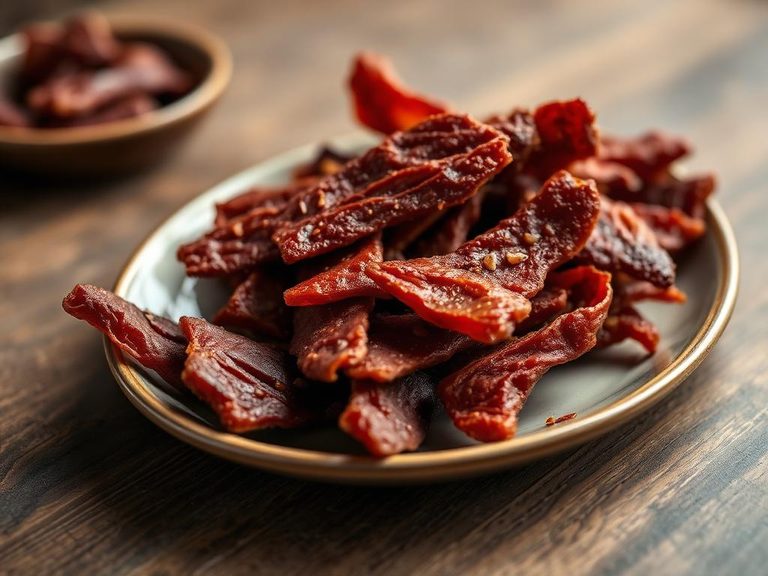
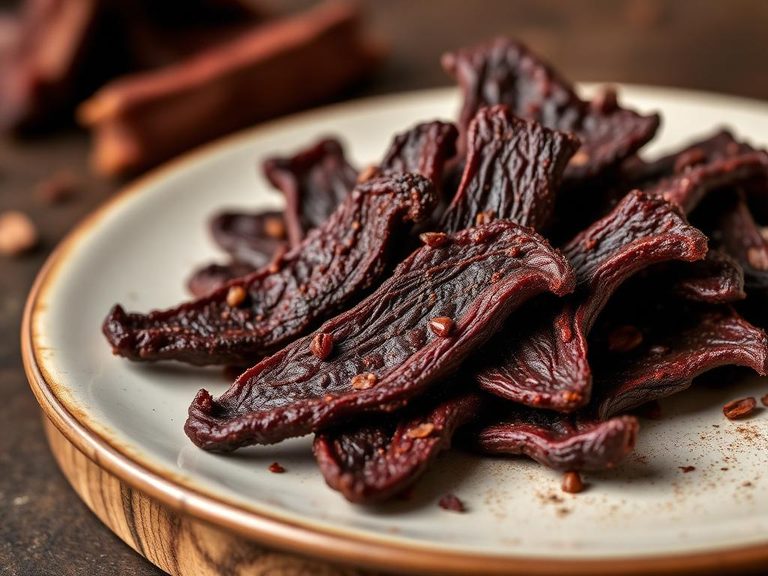
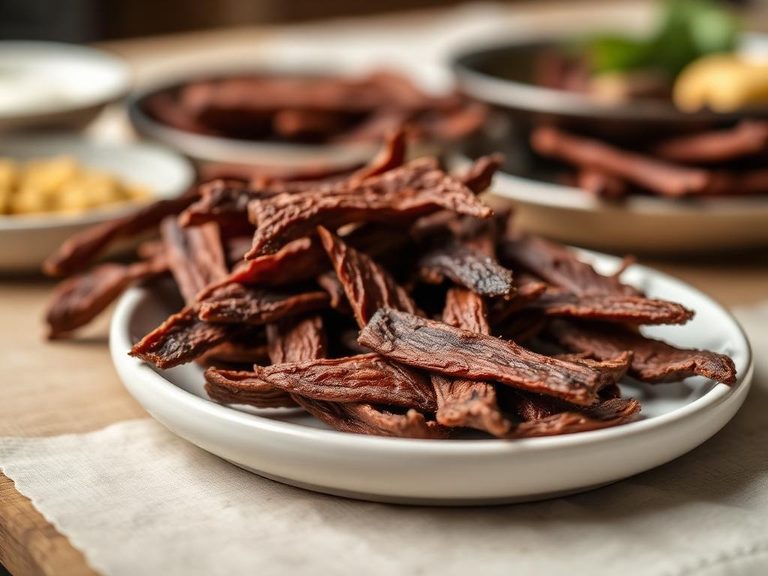
Bear meat jerky is a preserved snack made from the lean muscle meat of bears, typically seasoned with salt, sugar, and spices, then dried. It is a traditional food in many Northern Hemisphere regions with bear populations, including parts of North America, Europe, and Asia, often associated with hunting cultures and wilderness survival.
🍽️ Nutrition at a glance
Bear meat jerky is exceptionally high in protein and relatively low in carbohydrates, with a moderate fat content that varies by cut and preparation. A typical serving provides a significant amount of iron, zinc, and B vitamins, particularly B12, with a calorie ballpark of 120-150 kcal per ounce (28g).
Nutrition breakdown
| Calories | 130 kcal |
| Protein | 20 g |
| Carbs | 2 g |
| Fat | 5 g |
| Fiber | 0 g |
| Sugar | 1 g |
| Sodium | 450 mg |
| Iron | 2.5 mg |
| Zinc | 4.0 mg |
| Vitamin B12 | 2.0 mcg |
| Niacin (B3) | 5.0 mg |
| Phosphorus | 180 mg |
| Selenium | 12 mcg |
| Potassium | 250 mg |
| Vitamin B6 | 0.3 mg |
Per 1 ounce (28 g) · estimated, varies by recipe
💡 What's interesting
Culturally, bear meat jerky represents a deep connection to subsistence hunting and seasonal preservation practices in many indigenous and rural communities. Nutritionally, it is a dense source of complete protein and micronutrients, but requires careful handling and thorough cooking to ensure safety from potential parasites.