

Potatoes, mashed, home-prepared, whole milk added
Whole food · Vegetables and Vegetable Products
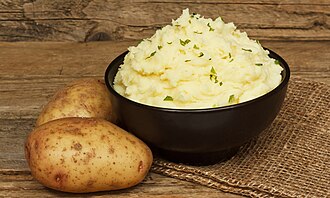
Photo: Wikipedia
This is the classic comfort food: starchy potatoes boiled until tender, then whipped with whole milk into a creamy, fluffy mound. The texture is smooth and velvety, with a mild, earthy flavor that acts as a perfect canvas for seasonings. Nutritionally, it's a moderate source of energy-dense carbohydrates with minimal fat.
Calorie split: 9% protein · 85% carbs · 6% fat
↓ Full nutrition💚 Why it's loved
People adore its creamy, comforting texture and its incredible versatility—it's a blank slate that absorbs butter, garlic, herbs, or gravy beautifully. It's a staple side dish that evokes feelings of home cooking and warmth across many cultures.
⚠️ Watch-outs & how to enjoy it better
The main downside is its high glycemic index, which can cause rapid blood sugar spikes, especially when eaten alone. To counteract this, always pair it with a source of protein (like chicken or beans) or healthy fat (like olive oil or avocado) to slow digestion. Also, be mindful of added salt; use herbs and spices for flavor instead.
Key benefits
- Provides quick energy from complex carbohydrates
- Good source of potassium for muscle and nerve function
- Contains vitamin B6 for metabolism and brain health
- Naturally low in fat and cholesterol-free
- Dietary fiber from potato skin aids digestion
🍽️ Popular dishes
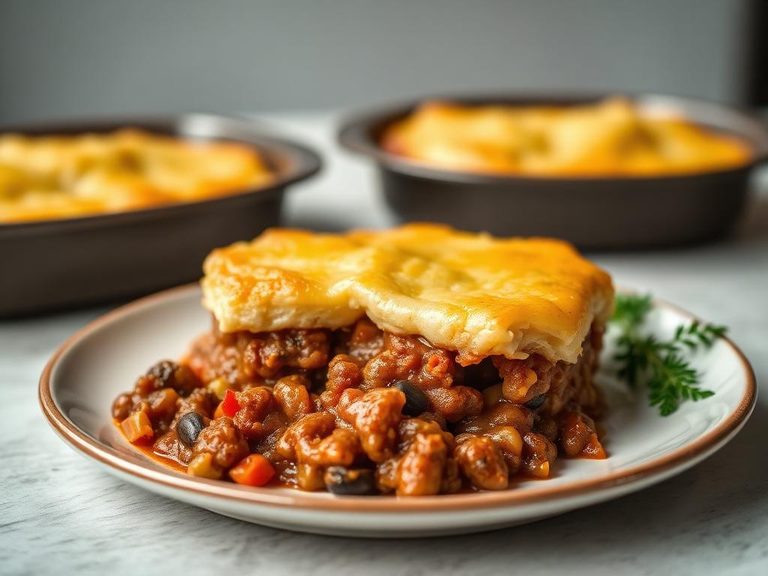
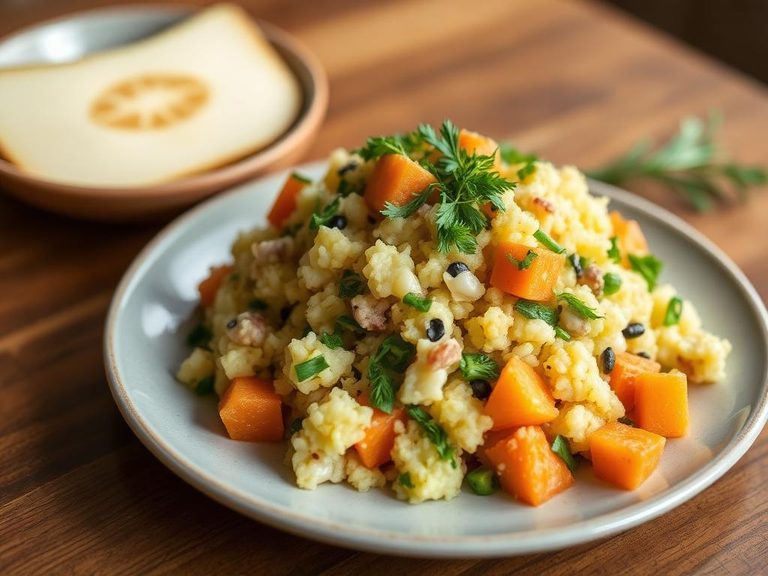
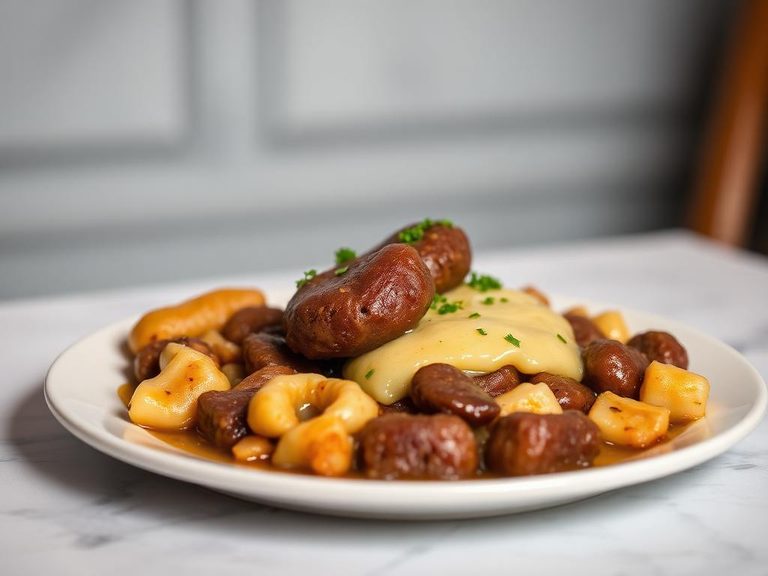
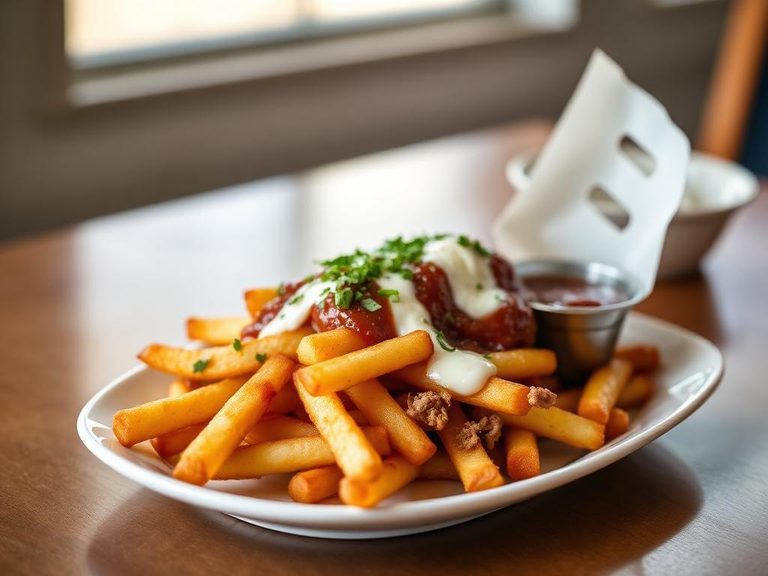
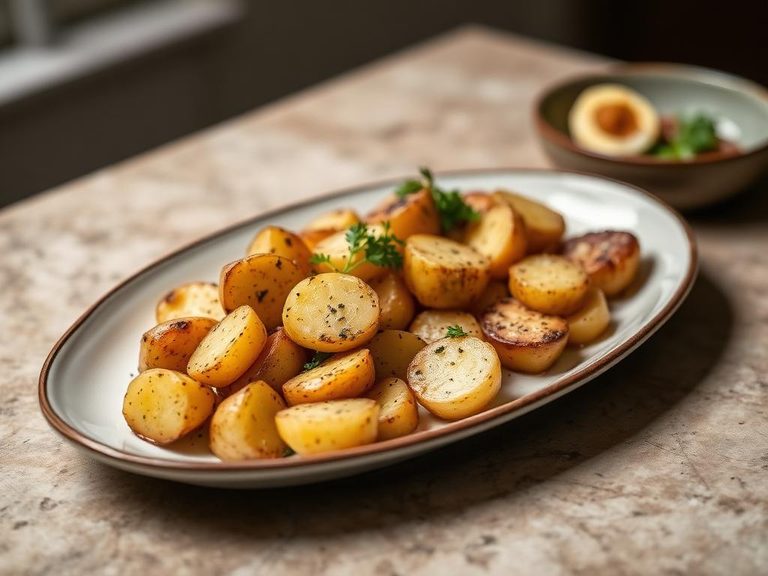
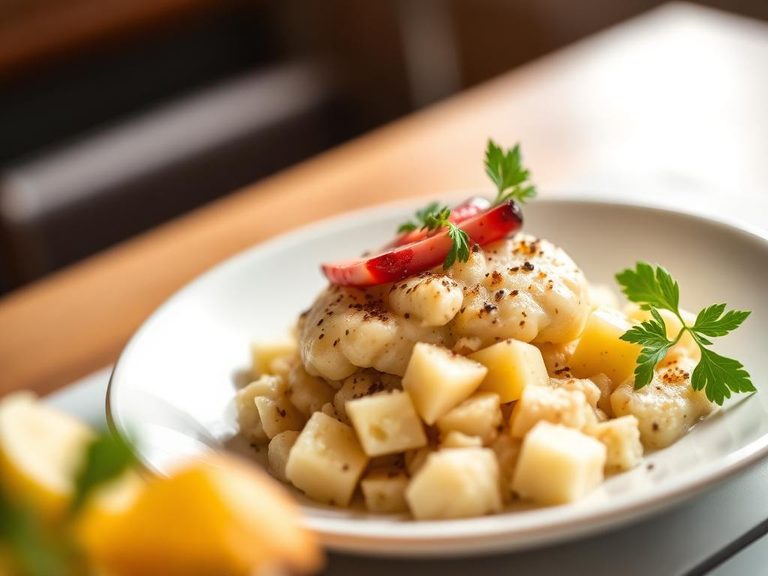
🌍 Where it's eaten
💡 Did you know?
The world record for the largest serving of mashed potatoes was set in 2017 in Iowa, USA, weighing over 1,800 pounds (about 816 kg)—enough to fill a small hot tub.
Full nutrition (USDA data · scales with serving)
| Water | 78.5 g |
| Energy | 83.0 kcal |
| Energy | 348 kj |
| Protein | 1.9 g |
| Total lipid (fat) | 0.57 g |
| Ash | 1.5 g |
| Carbohydrate, by difference | 17.6 g |
| Fiber, total dietary | 1.5 g |
| Total Sugars | 1.5 g |
| Sucrose | 0.16 g |
| Glucose | 0.31 g |
| Fructose | 0.25 g |
| Lactose | 0.76 g |
| Maltose | 0.00 g |
| Galactose | 0.00 g |
| Calcium, Ca | 24.0 mg |
| Iron, Fe | 0.27 mg |
| Magnesium, Mg | 18.0 mg |
| Phosphorus, P | 46.0 mg |
| Potassium, K | 296 mg |
| Sodium, Na | 302 mg |
| Zinc, Zn | 0.28 mg |
| Copper, Cu | 0.14 mg |
| Manganese, Mn | 0.12 mg |
| Selenium, Se | 0.80 ug |
| Fluoride, F | 0.00 ug |
| Vitamin C, total ascorbic acid | 6.2 mg |
| Thiamin | 0.09 mg |
| Riboflavin | 0.04 mg |
| Niacin | 1.1 mg |
| Pantothenic acid | 0.48 mg |
| Vitamin B-6 | 0.23 mg |
| Folate, total | 8.0 ug |
| Folic acid | 0.00 ug |
| Folate, food | 8.0 ug |
| Folate, DFE | 8.0 ug |
| Choline, total | 13.3 mg |
| Betaine | 0.30 mg |
| Vitamin B-12 | 0.07 ug |
| Vitamin B-12, added | 0.00 ug |
| Vitamin A, RAE | 7.0 ug |
| Retinol | 7.0 ug |
| Carotene, beta | 2.0 ug |
| Carotene, alpha | 0.00 ug |
| Cryptoxanthin, beta | 0.00 ug |
| Vitamin A, IU | 27.0 iu |
| Lycopene | 0.00 ug |
| Lutein + zeaxanthin | 8.0 ug |
| Vitamin E (alpha-tocopherol) | 0.02 mg |
| Vitamin E, added | 0.00 mg |
| Tocopherol, beta | 0.00 mg |
| Tocopherol, gamma | 0.00 mg |
| Tocopherol, delta | 0.00 mg |
| Tocotrienol, alpha | 0.00 mg |
| Tocotrienol, beta | 0.00 mg |
| Tocotrienol, gamma | 0.00 mg |
| Tocotrienol, delta | 0.00 mg |
| Vitamin D (D2 + D3), International Units | 8.0 iu |
| Vitamin D (D2 + D3) | 0.20 ug |
| Vitamin D3 (cholecalciferol) | 0.20 ug |
| Vitamin K (phylloquinone) | 1.8 ug |
| Vitamin K (Dihydrophylloquinone) | 0.00 ug |
| Vitamin K (Menaquinone-4) | 0.10 ug |
| Alcohol, ethyl | 0.00 g |
| Caffeine | 0.00 mg |
| Theobromine | 0.00 mg |
Fat & fatty acid profile (per 100g)
| Fatty acids, total saturated | 0.30 g |
| SFA 4:0 | 0.01 g |
| SFA 6:0 | 0.01 g |
| SFA 8:0 | 0.01 g |
| SFA 10:0 | 0.01 g |
| SFA 12:0 | 0.01 g |
| SFA 13:0 | 0.00 g |
| SFA 14:0 | 0.05 g |
| SFA 15:0 | 0.00 g |
| SFA 16:0 | 0.14 g |
| SFA 17:0 | 0.00 g |
| SFA 18:0 | 0.06 g |
| SFA 20:0 | 0.00 g |
| SFA 22:0 | 0.00 g |
| SFA 24:0 | 0.00 g |
| Fatty acids, total monounsaturated | 0.12 g |
| MUFA 14:1 | 0.00 g |
| MUFA 16:1 | 0.00 g |
| MUFA 18:1 | 0.12 g |
| MUFA 20:1 | 0.00 g |
| MUFA 22:1 | 0.00 g |
| Fatty acids, total polyunsaturated | 0.07 g |
| PUFA 18:2 | 0.04 g |
| PUFA 18:3 | 0.02 g |
| PUFA 18:4 | 0.00 g |
| PUFA 20:4 | 0.00 g |
| PUFA 20:5 n-3 (EPA) | 0.00 g |
| PUFA 22:5 n-3 (DPA) | 0.00 g |
| PUFA 22:6 n-3 (DHA) | 0.00 g |
| Cholesterol | 2.0 mg |
| Phytosterols | 0.00 mg |
Amino acid profile (per 100g)
| Tryptophan | 0.03 g |
| Threonine | 0.07 g |
| Isoleucine | 0.08 g |
| Leucine | 0.13 g |
| Lysine | 0.13 g |
| Methionine | 0.04 g |
| Cystine | 0.02 g |
| Phenylalanine | 0.09 g |
| Tyrosine | 0.08 g |
| Valine | 0.11 g |
| Arginine | 0.08 g |
| Histidine | 0.05 g |
| Alanine | 0.06 g |
| Aspartic acid | 0.39 g |
| Glutamic acid | 0.35 g |
| Glycine | 0.05 g |
| Proline | 0.10 g |
| Serine | 0.09 g |
FAQ
Why are my mashed potatoes gluey?
This happens from overworking them. Use a ricer or masher, not a blender or food processor, which ruptures starch cells and makes them sticky.
Can I make mashed potatoes ahead of time?
Yes. Reheat gently in a saucepan with a splash of milk, stirring constantly. Avoid the microwave, which can make them rubbery.
What's the best potato for mashing?
Starchy varieties like Russets or Yukon Golds are ideal. They break down easily for a fluffy, creamy texture.
Nutrient density (calculated · NRF9.3)
Nutrient Rich Foods index: beneficial nutrients (protein, fiber, vitamins, minerals) minus saturated fat, added sugar & sodium, per 100 kcal.
NRF9.3 index — Fulgoni, Keast & Drewnowski, 2009. Computed from USDA nutrients.
Weight-loss friendliness (composite index)
Energy density 0.83 kcal/g · 9% calories from protein · 1.5 g fiber · 1.5 g sugar per 100 g.
Composite of energy density (Rolls et al., 1999), protein & fiber satiety, minus sugar. A calculated heuristic — ranks satiety-per-calorie, not a clinical measure.
Dietary load (calculated from USDA values)
Potential renal acid load. Positive = acid-forming, negative = alkaline-forming.
Sodium-to-potassium ratio: 1.02 (lower is better — aim for ≤ 1)
Sodium:potassium per WHO potassium guidance. Computed from USDA nutrients.