

Pork loin, fresh, backribs, bone-in, raw, lean only
Whole food · Pork Products

Photo: Wikipedia
This is a lean, bone-in cut from the pig's back, prized for its clean, mild pork flavor and firm, fine-grained texture. When raw, the meat is a pale pink with minimal marbling, and the bones add depth to broths and sauces. Nutritionally, it's a powerhouse of high-quality protein with virtually no carbohydrates, making it a staple for high-protein diets.
Calorie split: 48% protein · 0% carbs · 52% fat
↓ Full nutrition💚 Why it's loved
People love it for its clean, versatile flavor that acts as a perfect canvas for bold marinades, dry rubs, and slow-cooking techniques. The bones are cherished for adding body and richness to soups and stews, making it a favorite for hearty, home-style cooking.
⚠️ Watch-outs & how to enjoy it better
As a very lean cut, it can become dry and tough if overcooked, requiring careful temperature control or moist-heat methods. Those monitoring sodium intake should be cautious, as it's often used in cured preparations or seasoned with salty rubs; counter this by using fresh herbs, acids like citrus or vinegar, and low-sodium cooking liquids.
Key benefits
- Excellent source of complete, high-quality protein
- Very low in carbohydrates and sugars
- Provides essential B vitamins like thiamine and B12
- Contains minerals like selenium and phosphorus
- Bone-in preparation can enrich stocks with collagen
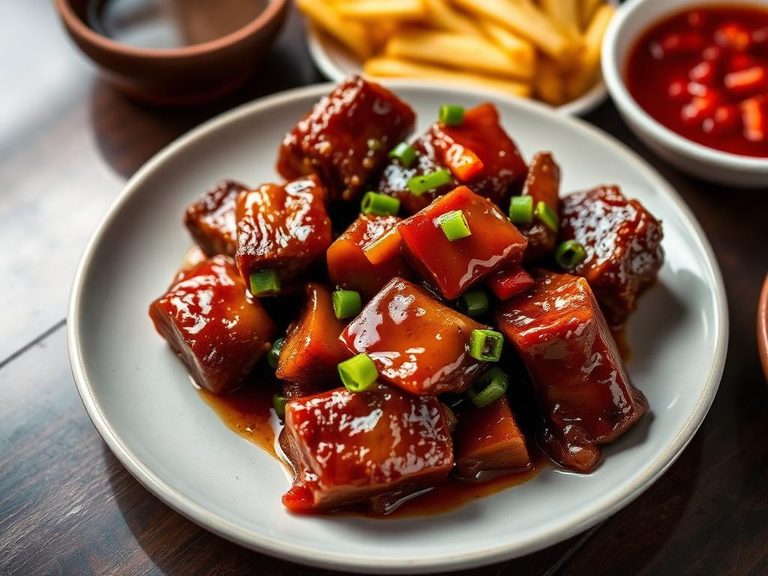
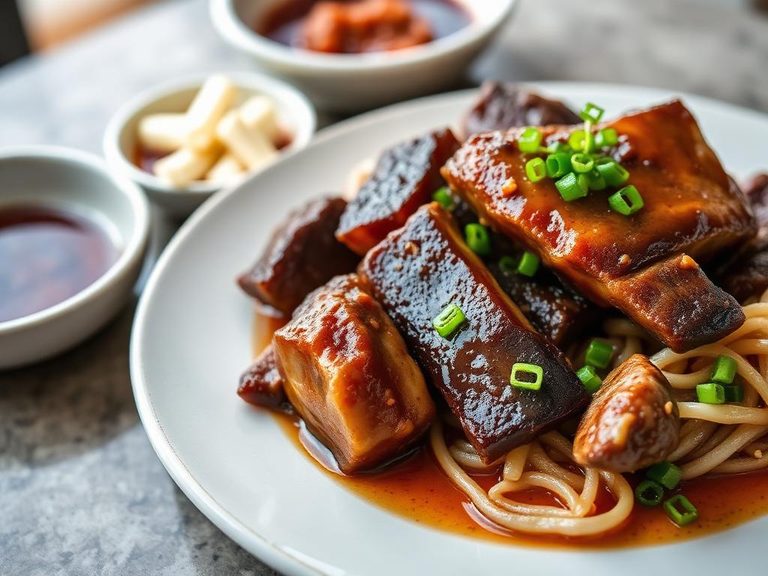
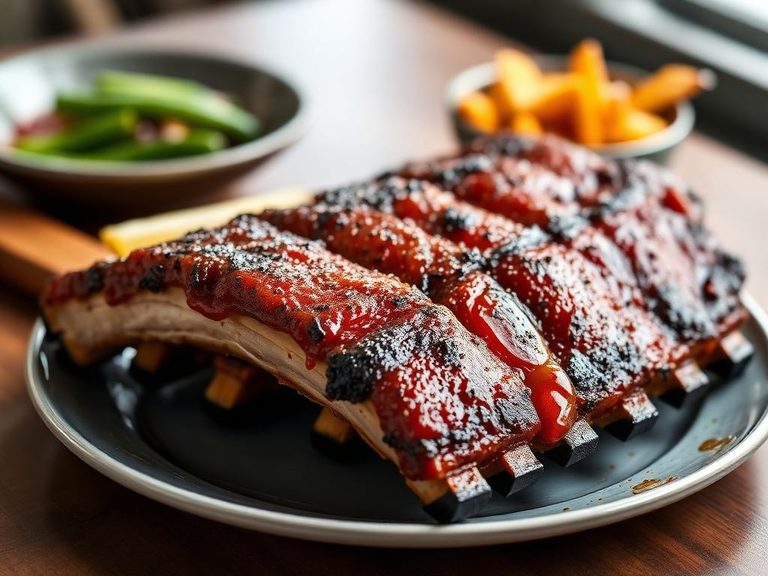
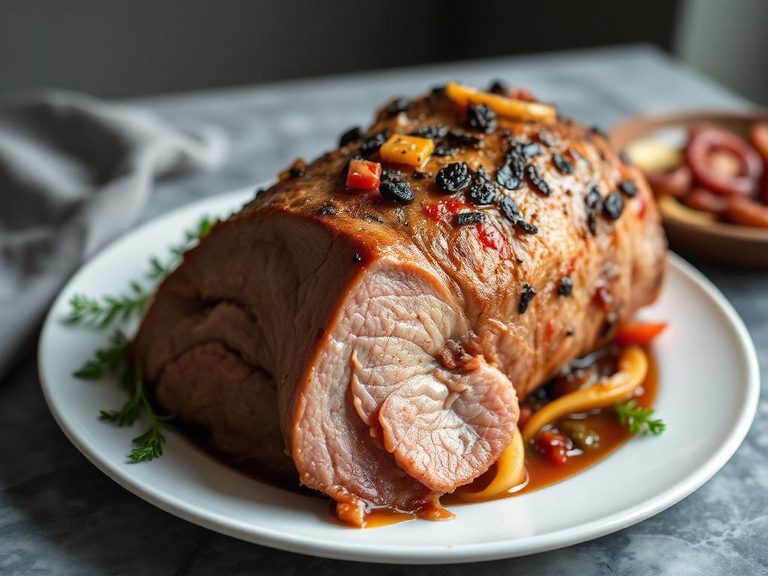
🍽️ Popular dishes
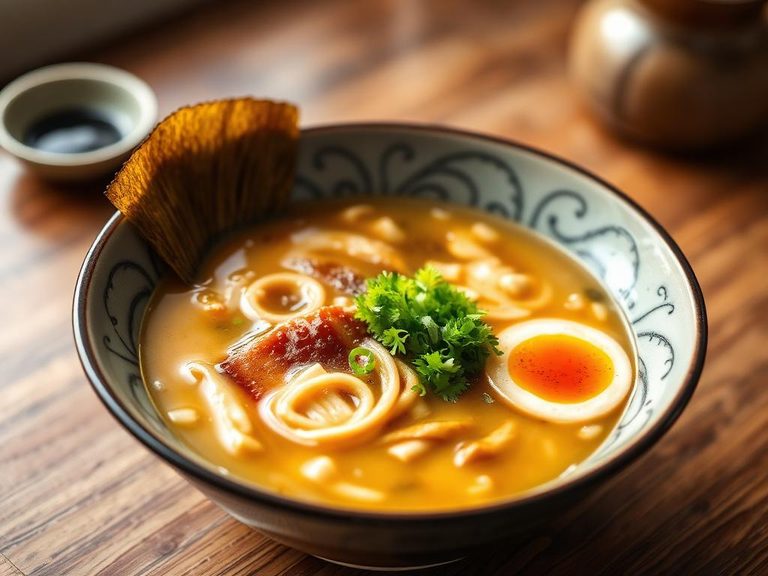
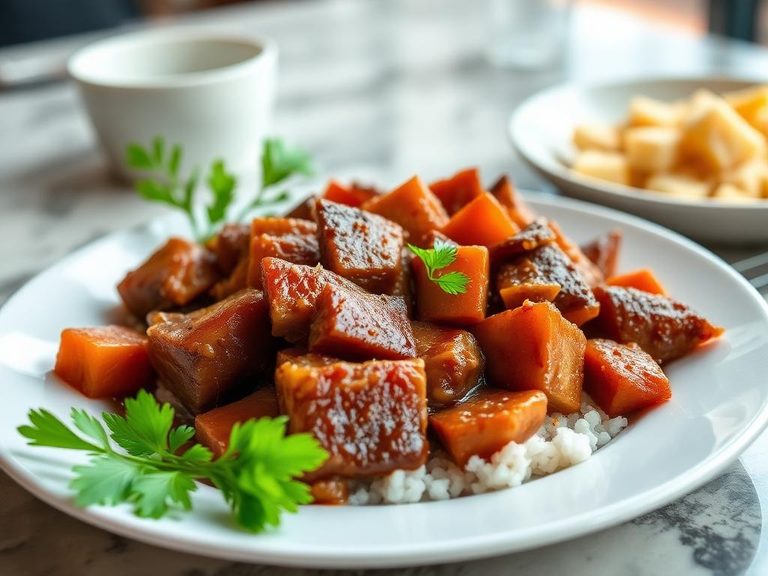
🌍 Where it's eaten
💡 Did you know?
The 'backribs' are anatomically the same ribs as 'baby back ribs'—they come from the upper loin area near the spine and are smaller and more curved than the larger spareribs from the belly.
Full nutrition (USDA data · scales with serving)
| Water | 68.6 g |
| Energy | 172 kcal |
| Energy | 719 kj |
| Protein | 20.9 g |
| Total lipid (fat) | 9.8 g |
| Ash | 1.1 g |
| Carbohydrate, by difference | 0.00 g |
| Fiber, total dietary | 0.00 g |
| Total Sugars | 0.00 g |
| Calcium, Ca | 26.0 mg |
| Iron, Fe | 0.84 mg |
| Magnesium, Mg | 17.0 mg |
| Phosphorus, P | 165 mg |
| Potassium, K | 268 mg |
| Sodium, Na | 95.0 mg |
| Zinc, Zn | 2.7 mg |
| Copper, Cu | 0.09 mg |
| Manganese, Mn | 0.01 mg |
| Selenium, Se | 33.3 ug |
| Vitamin C, total ascorbic acid | 0.00 mg |
| Thiamin | 0.50 mg |
| Riboflavin | 0.33 mg |
| Niacin | 7.2 mg |
| Pantothenic acid | 0.85 mg |
| Vitamin B-6 | 0.47 mg |
| Folate, total | 0.00 ug |
| Folic acid | 0.00 ug |
| Folate, food | 0.00 ug |
| Folate, DFE | 0.00 ug |
| Choline, total | 71.6 mg |
| Betaine | 2.8 mg |
| Vitamin B-12 | 0.54 ug |
| Vitamin B-12, added | 0.00 ug |
| Vitamin A, RAE | 3.0 ug |
| Retinol | 3.0 ug |
| Carotene, beta | 0.00 ug |
| Carotene, alpha | 0.00 ug |
| Cryptoxanthin, beta | 0.00 ug |
| Vitamin A, IU | 11.0 iu |
| Lycopene | 0.00 ug |
| Lutein + zeaxanthin | 0.00 ug |
| Vitamin E (alpha-tocopherol) | 0.20 mg |
| Vitamin E, added | 0.00 mg |
| Vitamin D (D2 + D3), International Units | 38.0 iu |
| Vitamin D (D2 + D3) | 0.90 ug |
| Vitamin D3 (cholecalciferol) | 0.90 ug |
| Vitamin K (phylloquinone) | 0.00 ug |
| Vitamin K (Dihydrophylloquinone) | 0.00 ug |
| Alcohol, ethyl | 0.00 g |
| Caffeine | 0.00 mg |
| Theobromine | 0.00 mg |
Fat & fatty acid profile (per 100g)
| Fatty acids, total saturated | 3.5 g |
| SFA 4:0 | 0.00 g |
| SFA 6:0 | 0.00 g |
| SFA 8:0 | 0.00 g |
| SFA 10:0 | 0.01 g |
| SFA 12:0 | 0.01 g |
| SFA 14:0 | 0.13 g |
| SFA 15:0 | 0.01 g |
| SFA 16:0 | 2.1 g |
| SFA 17:0 | 0.03 g |
| SFA 18:0 | 1.1 g |
| SFA 20:0 | 0.01 g |
| SFA 22:0 | 0.00 g |
| SFA 24:0 | 0.00 g |
| Fatty acids, total monounsaturated | 4.3 g |
| MUFA 14:1 | 0.00 g |
| MUFA 15:1 | 0.00 g |
| MUFA 16:1 | 0.23 g |
| MUFA 17:1 | 0.00 g |
| MUFA 18:1 | 4.0 g |
| MUFA 18:1 c | 3.9 g |
| MUFA 20:1 | 0.06 g |
| MUFA 22:1 | 0.00 g |
| MUFA 22:1 c | 0.00 g |
| Fatty acids, total polyunsaturated | 1.5 g |
| PUFA 18:2 | 1.3 g |
| PUFA 18:2 n-6 c,c | 1.3 g |
| PUFA 18:3 | 0.06 g |
| PUFA 18:3 n-3 c,c,c (ALA) | 0.05 g |
| PUFA 18:3 n-6 c,c,c | 0.00 g |
| PUFA 18:3i | 0.01 g |
| PUFA 18:4 | 0.00 g |
| PUFA 20:2 n-6 c,c | 0.05 g |
| PUFA 20:3 | 0.01 g |
| PUFA 20:4 | 0.07 g |
| PUFA 20:5 n-3 (EPA) | 0.00 g |
| PUFA 22:5 n-3 (DPA) | 0.01 g |
| PUFA 22:6 n-3 (DHA) | 0.00 g |
| Fatty acids, total trans | 0.08 g |
| Fatty acids, total trans-monoenoic | 0.06 g |
| TFA 18:1 t | 0.06 g |
| TFA 18:2 t not further defined | 0.02 g |
| Fatty acids, total trans-polyenoic | 0.02 g |
| Cholesterol | 66.0 mg |
Amino acid profile (per 100g)
| Tryptophan | 0.25 g |
| Threonine | 0.92 g |
| Isoleucine | 0.99 g |
| Leucine | 1.7 g |
| Lysine | 1.9 g |
| Methionine | 0.57 g |
| Cystine | 0.23 g |
| Phenylalanine | 0.87 g |
| Tyrosine | 0.83 g |
| Valine | 1.1 g |
| Arginine | 1.3 g |
| Histidine | 0.85 g |
| Alanine | 1.2 g |
| Aspartic acid | 1.9 g |
| Glutamic acid | 3.2 g |
| Glycine | 0.94 g |
| Proline | 0.84 g |
| Serine | 0.87 g |
| Hydroxyproline | 0.07 g |
FAQ
What's the difference between backribs and spareribs?
Backribs (or baby back ribs) are shorter, curved, and leaner, taken from near the loin. Spareribs are larger, flatter, and fattier, cut from the belly side after the loin is removed.
How can I prevent lean pork loin ribs from drying out?
Use low-and-slow cooking methods like braising, roasting at low temps, or smoking. A marinade or brine can also help retain moisture. Always use a meat thermometer to avoid overcooking.
Are the bones edible?
The bones themselves are not typically eaten, but they are essential for flavor. They are simmered to make stock or broth, and the meat is eaten off the bone.
Nutrient density (calculated · NRF9.3)
Nutrient Rich Foods index: beneficial nutrients (protein, fiber, vitamins, minerals) minus saturated fat, added sugar & sodium, per 100 kcal.
NRF9.3 index — Fulgoni, Keast & Drewnowski, 2009. Computed from USDA nutrients.
Weight-loss friendliness (composite index)
Energy density 1.72 kcal/g · 48% calories from protein · 0.0 g fiber · 0.0 g sugar per 100 g.
Composite of energy density (Rolls et al., 1999), protein & fiber satiety, minus sugar. A calculated heuristic — ranks satiety-per-calorie, not a clinical measure.
Dietary load (calculated from USDA values)
Potential renal acid load. Positive = acid-forming, negative = alkaline-forming.
Sodium-to-potassium ratio: 0.35 (lower is better — aim for ≤ 1)
Sodium:potassium per WHO potassium guidance. Computed from USDA nutrients.