

Mollusks, oyster, eastern, wild, cooked, dry heat
Whole food · Finfish and Shellfish Products

Photo: Wikipedia
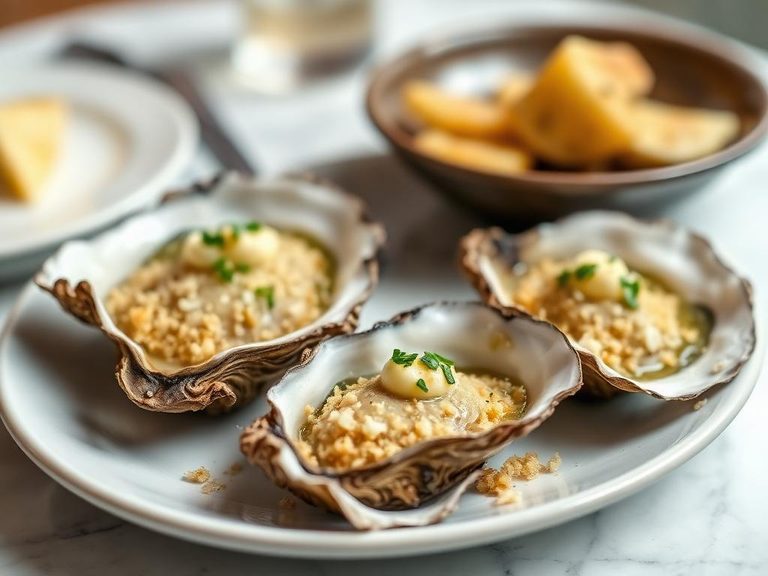
The eastern wild oyster, cooked by dry heat, transforms into a tender, slightly chewy morsel with a deep, briny-sweet flavor and a hint of the sea's mineral essence. Its compact, ivory flesh is rich in protein and notably low in calories, making it a nutrient-dense choice. The cooking method concentrates its natural umami, offering a satisfying, savory experience without added fats.
Calorie split: 47% protein · 22% carbs · 31% fat
↓ Full nutrition💚 Why it's loved
People love it for its distinctive, complex brininess that evokes the ocean, and its versatility in both simple preparations and gourmet dishes. It's a cultural staple in coastal communities, symbolizing freshness and a connection to the sea.
⚠️ Watch-outs & how to enjoy it better
Some may find the strong, briny flavor or slightly rubbery texture unappealing, and it can be high in sodium, which is a concern for those monitoring salt intake. As a common shellfish allergen, it must be avoided by individuals with shellfish allergies. To counteract high sodium, pair it with potassium-rich vegetables like steamed asparagus or a fresh salad, and practice portion control by sticking to a single serving (about 6-8 medium oysters).
Key benefits
- Excellent source of high-quality protein for muscle maintenance
- Naturally rich in zinc and vitamin B12, supporting immune and nerve health
- Very low in calories and fat, suitable for weight management
- Contains iron and selenium, essential minerals for bodily functions
- Provides omega-3 fatty acids, beneficial for heart health
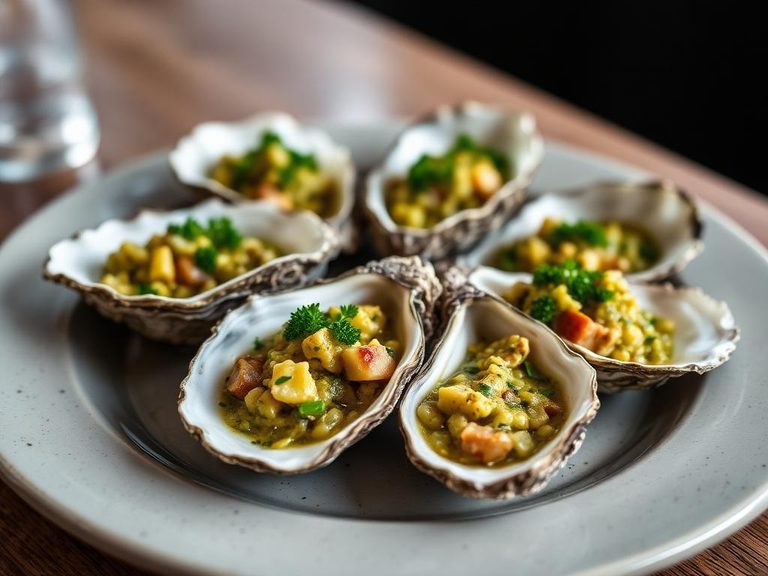
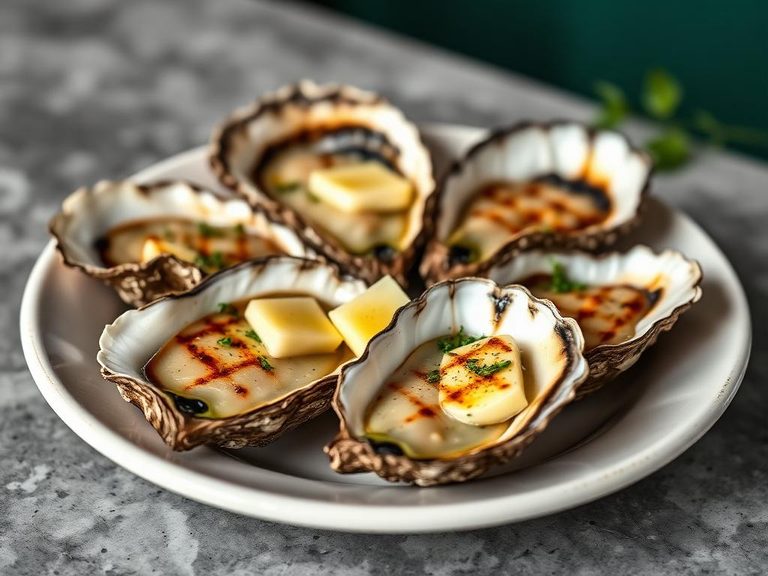
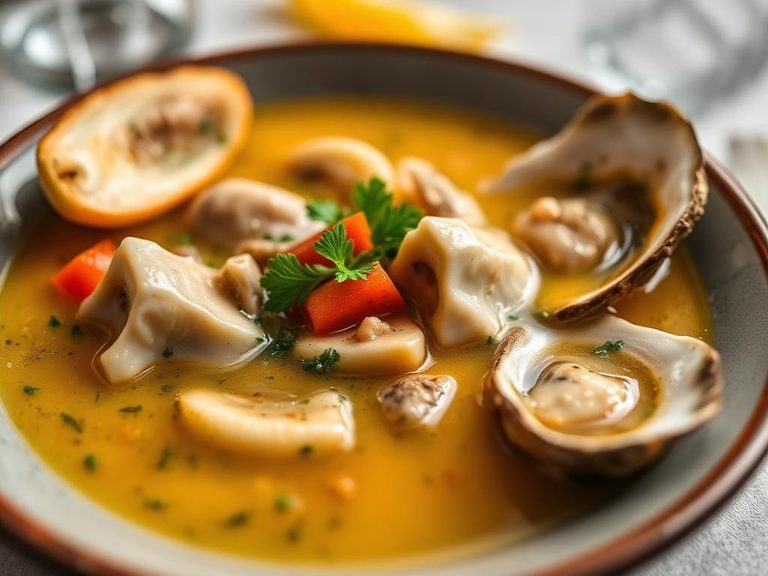
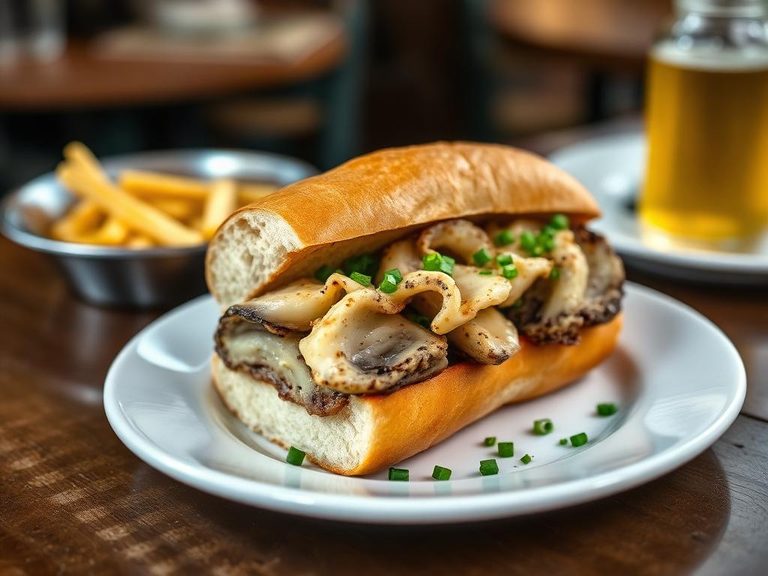
🍽️ Popular dishes

🌍 Where it's eaten
💡 Did you know?
A single eastern oyster can filter up to 50 gallons of water per day, helping to clarify and clean its aquatic habitat.
Full nutrition (USDA data · scales with serving)
| Water | 83.0 g |
| Energy | 79.0 kcal |
| Energy | 331 kj |
| Protein | 8.9 g |
| Total lipid (fat) | 2.6 g |
| Ash | 1.3 g |
| Carbohydrate, by difference | 4.2 g |
| Fiber, total dietary | 0.00 g |
| Total Sugars | 0.96 g |
| Sucrose | 0.00 g |
| Glucose | 0.96 g |
| Fructose | 0.00 g |
| Lactose | 0.00 g |
| Maltose | 0.00 g |
| Galactose | 0.00 g |
| Starch | 0.70 g |
| Calcium, Ca | 92.0 mg |
| Iron, Fe | 7.2 mg |
| Magnesium, Mg | 28.0 mg |
| Phosphorus, P | 150 mg |
| Potassium, K | 242 mg |
| Sodium, Na | 132 mg |
| Zinc, Zn | 61.0 mg |
| Copper, Cu | 4.4 mg |
| Manganese, Mn | 0.46 mg |
| Selenium, Se | 30.7 ug |
| Fluoride, F | 63.0 ug |
| Vitamin C, total ascorbic acid | 0.00 mg |
| Thiamin | 0.03 mg |
| Riboflavin | 0.11 mg |
| Niacin | 1.4 mg |
| Pantothenic acid | 0.35 mg |
| Vitamin B-6 | 0.04 mg |
| Folate, total | 10.0 ug |
| Folic acid | 0.00 ug |
| Folate, food | 10.0 ug |
| Folate, DFE | 10.0 ug |
| Choline, total | 101 mg |
| Vitamin B-12 | 12.9 ug |
| Vitamin B-12, added | 0.00 ug |
| Vitamin A, RAE | 20.0 ug |
| Retinol | 20.0 ug |
| Carotene, beta | 0.00 ug |
| Carotene, alpha | 0.00 ug |
| Cryptoxanthin, beta | 0.00 ug |
| Vitamin A, IU | 58.0 iu |
| Lycopene | 0.00 ug |
| Lutein + zeaxanthin | 0.00 ug |
| Vitamin E (alpha-tocopherol) | 1.3 mg |
| Vitamin E, added | 0.00 mg |
| Vitamin D (D2 + D3), International Units | 1.0 iu |
| Vitamin D (D2 + D3) | 0.00 ug |
| Vitamin D3 (cholecalciferol) | 0.00 ug |
| Vitamin K (phylloquinone) | 1.5 ug |
| Vitamin K (Dihydrophylloquinone) | 0.00 ug |
| Vitamin K (Menaquinone-4) | 3.9 ug |
| Alcohol, ethyl | 0.00 g |
| Caffeine | 0.00 mg |
| Theobromine | 0.00 mg |
Fat & fatty acid profile (per 100g)
| Fatty acids, total saturated | 0.74 g |
| SFA 4:0 | 0.00 g |
| SFA 6:0 | 0.00 g |
| SFA 8:0 | 0.00 g |
| SFA 10:0 | 0.00 g |
| SFA 12:0 | 0.00 g |
| SFA 14:0 | 0.08 g |
| SFA 15:0 | 0.02 g |
| SFA 16:0 | 0.50 g |
| SFA 17:0 | 0.04 g |
| SFA 18:0 | 0.10 g |
| SFA 20:0 | 0.00 g |
| SFA 22:0 | 0.00 g |
| SFA 24:0 | 0.00 g |
| Fatty acids, total monounsaturated | 0.39 g |
| MUFA 14:1 | 0.00 g |
| MUFA 15:1 | 0.00 g |
| MUFA 16:1 | 0.08 g |
| MUFA 17:1 | 0.01 g |
| MUFA 18:1 | 0.26 g |
| MUFA 20:1 | 0.04 g |
| MUFA 22:1 | 0.00 g |
| MUFA 24:1 c | 0.00 g |
| Fatty acids, total polyunsaturated | 0.82 g |
| PUFA 18:2 | 0.06 g |
| PUFA 18:3 | 0.13 g |
| PUFA 18:4 | 0.07 g |
| PUFA 20:2 n-6 c,c | 0.01 g |
| PUFA 20:3 | 0.01 g |
| PUFA 20:4 | 0.03 g |
| PUFA 20:5 n-3 (EPA) | 0.27 g |
| PUFA 22:4 | 0.00 g |
| PUFA 22:5 n-3 (DPA) | 0.02 g |
| PUFA 22:6 n-3 (DHA) | 0.21 g |
| Fatty acids, total trans | 0.05 g |
| Cholesterol | 62.0 mg |
Amino acid profile (per 100g)
| Tryptophan | 0.11 g |
| Threonine | 0.04 g |
| Isoleucine | 0.36 g |
| Leucine | 0.56 g |
| Lysine | 0.59 g |
| Methionine | 0.20 g |
| Cystine | 0.09 g |
| Phenylalanine | 0.32 g |
| Tyrosine | 0.31 g |
| Valine | 0.41 g |
| Arginine | 0.58 g |
| Histidine | 0.17 g |
| Alanine | 0.42 g |
| Aspartic acid | 0.76 g |
| Glutamic acid | 1.0 g |
| Glycine | 0.43 g |
| Proline | 0.35 g |
| Serine | 0.35 g |
FAQ
How does dry-heat cooking affect the oyster's texture and flavor?
Dry-heat methods like grilling or baking concentrate the oyster's natural briny flavor and can give it a slightly firmer, chewier texture compared to raw or steamed oysters, enhancing its savory depth.
Is this oyster a good source of omega-3 fatty acids?
Yes, eastern oysters provide a modest amount of omega-3 fatty acids, which are beneficial for heart health, though they are not as high in fat as some fish.
What are the best ways to reduce sodium when eating oysters?
To reduce sodium intake, avoid adding extra salt or salty sauces, pair oysters with fresh, unsalted vegetables, and limit portion sizes to a single serving (about 6-8 medium oysters).
Nutrient density (calculated · NRF9.3)
Nutrient Rich Foods index: beneficial nutrients (protein, fiber, vitamins, minerals) minus saturated fat, added sugar & sodium, per 100 kcal.
NRF9.3 index — Fulgoni, Keast & Drewnowski, 2009. Computed from USDA nutrients.
Weight-loss friendliness (composite index)
Energy density 0.79 kcal/g · 45% calories from protein · 0.0 g fiber · 1.0 g sugar per 100 g.
Composite of energy density (Rolls et al., 1999), protein & fiber satiety, minus sugar. A calculated heuristic — ranks satiety-per-calorie, not a clinical measure.
Dietary load (calculated from USDA values)
Potential renal acid load. Positive = acid-forming, negative = alkaline-forming.
Sodium-to-potassium ratio: 0.55 (lower is better — aim for ≤ 1)
Sodium:potassium per WHO potassium guidance. Computed from USDA nutrients.