

Milk, whole, 3.25% milkfat, without added vitamin A and vitamin D
Whole food · Dairy and Egg Products
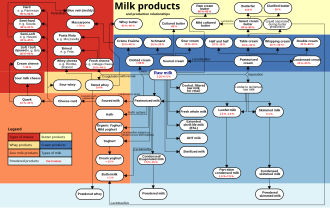
Photo: Wikipedia
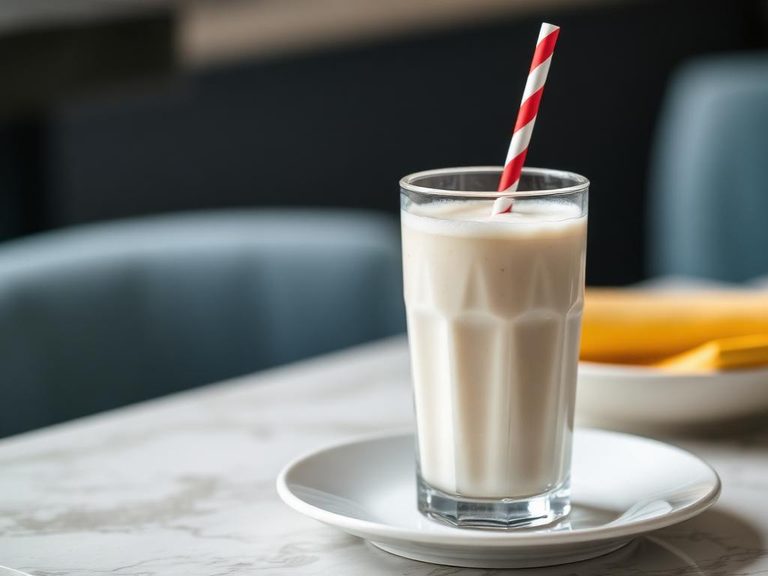
This is the classic, unadulterated whole cow's milk, a creamy white liquid with a naturally sweet, mild flavor and a rich, smooth mouthfeel thanks to its 3.25% milkfat. It's a foundational nutrient source, providing a balanced trio of protein, carbohydrates, and fats in every glass. Without added vitamins, it delivers its nutrients in their natural, whole-food state.
Calorie split: 21% protein · 31% carbs · 48% fat
↓ Full nutrition💚 Why it's loved
People cherish whole milk for its comforting, creamy taste and velvety texture that enhances both drinking and cooking. It's a nostalgic staple, evoking childhood memories and serving as a versatile base for everything from cereal and coffee to sauces and baked goods.
⚠️ Watch-outs & how to enjoy it better
Its lactose content can cause digestive discomfort for those with lactose intolerance or sensitivity. The natural milk sugars can also contribute to blood sugar spikes if consumed in large quantities alone. To mitigate this, pair it with fiber-rich foods (like oatmeal) or protein (like nuts) to slow digestion, and those with lactose issues can opt for smaller portions or lactose-free versions.
Key benefits
- Excellent source of high-quality, complete protein for muscle maintenance.
- Naturally rich in calcium for bone and dental health.
- Provides conjugated linoleic acid (CLA) from milkfat, studied for various health benefits.
- Contains phosphorus and potassium, essential electrolytes.
- A source of naturally occurring vitamins like B12 and riboflavin.
🍽️ Popular dishes
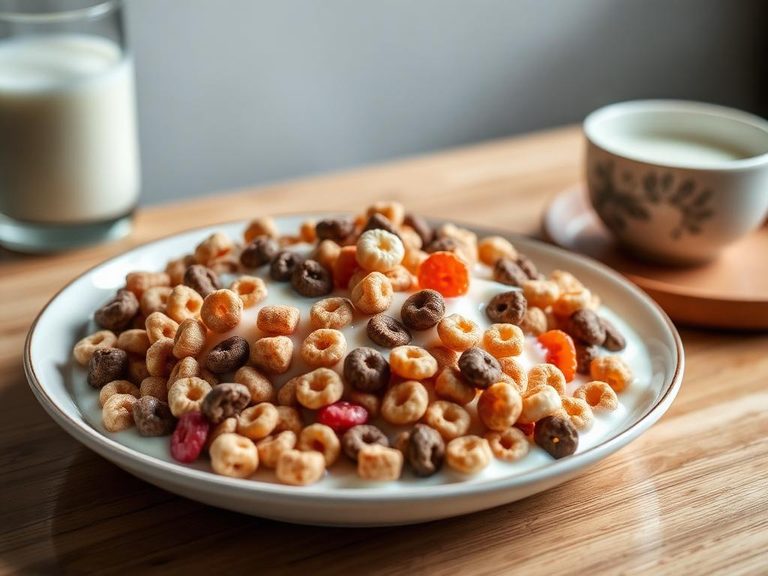
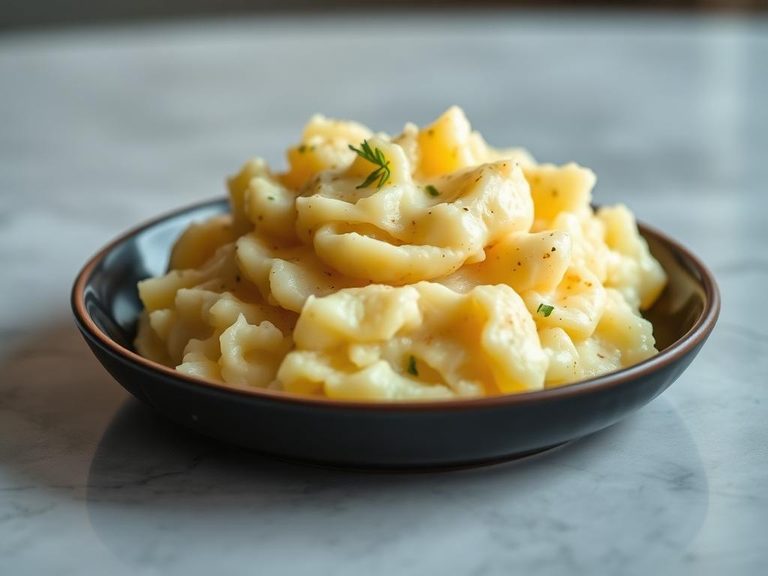

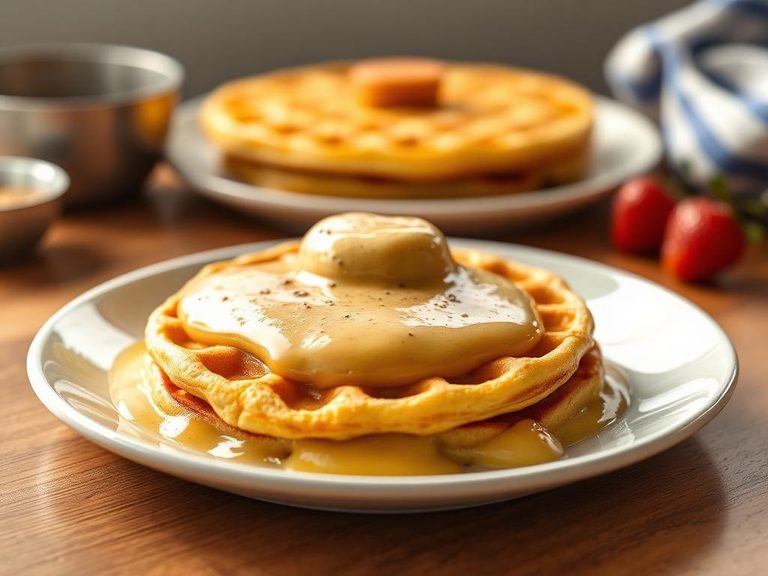

🌍 Where it's eaten
💡 Did you know?
The 'milk line' or 'milk mustache' is a real phenomenon; the proteins and fats in milk can leave a visible residue on the upper lip because they don't mix completely with water, creating a temporary emulsion on your skin.
Full nutrition (USDA data · scales with serving)
| Water | 88.1 g |
| Energy | 61.0 kcal |
| Energy | 256 kj |
| Protein | 3.1 g |
| Total lipid (fat) | 3.3 g |
| Ash | 0.67 g |
| Carbohydrate, by difference | 4.8 g |
| Fiber, total dietary | 0.00 g |
| Total Sugars | 5.0 g |
| Sucrose | 0.00 g |
| Glucose | 0.00 g |
| Fructose | 0.00 g |
| Lactose | 5.0 g |
| Maltose | 0.00 g |
| Galactose | 0.00 g |
| Calcium, Ca | 113 mg |
| Iron, Fe | 0.03 mg |
| Magnesium, Mg | 10.0 mg |
| Phosphorus, P | 84.0 mg |
| Potassium, K | 132 mg |
| Sodium, Na | 43.0 mg |
| Zinc, Zn | 0.37 mg |
| Copper, Cu | 0.03 mg |
| Manganese, Mn | 0.00 mg |
| Selenium, Se | 3.7 ug |
| Vitamin C, total ascorbic acid | 0.00 mg |
| Thiamin | 0.05 mg |
| Riboflavin | 0.17 mg |
| Niacin | 0.09 mg |
| Pantothenic acid | 0.37 mg |
| Vitamin B-6 | 0.04 mg |
| Folate, total | 5.0 ug |
| Folic acid | 0.00 ug |
| Folate, food | 5.0 ug |
| Folate, DFE | 5.0 ug |
| Choline, total | 14.3 mg |
| Betaine | 0.60 mg |
| Vitamin B-12 | 0.45 ug |
| Vitamin B-12, added | 0.00 ug |
| Vitamin A, RAE | 46.0 ug |
| Retinol | 45.0 ug |
| Carotene, beta | 7.0 ug |
| Carotene, alpha | 0.00 ug |
| Cryptoxanthin, beta | 0.00 ug |
| Vitamin A, IU | 162 iu |
| Lycopene | 0.00 ug |
| Lutein + zeaxanthin | 0.00 ug |
| Vitamin E (alpha-tocopherol) | 0.07 mg |
| Vitamin E, added | 0.00 mg |
| Tocopherol, beta | 0.00 mg |
| Tocopherol, gamma | 0.00 mg |
| Tocopherol, delta | 0.00 mg |
| Tocotrienol, alpha | 0.00 mg |
| Tocotrienol, beta | 0.00 mg |
| Tocotrienol, gamma | 0.00 mg |
| Tocotrienol, delta | 0.00 mg |
| Vitamin D (D2 + D3), International Units | 2.0 iu |
| Vitamin D (D2 + D3) | 0.10 ug |
| Vitamin D3 (cholecalciferol) | 0.10 ug |
| Vitamin K (phylloquinone) | 0.30 ug |
| Vitamin K (Dihydrophylloquinone) | 0.00 ug |
| Vitamin K (Menaquinone-4) | 1.0 ug |
| Alcohol, ethyl | 0.00 g |
| Caffeine | 0.00 mg |
| Theobromine | 0.00 mg |
Fat & fatty acid profile (per 100g)
| Fatty acids, total saturated | 1.9 g |
| SFA 4:0 | 0.07 g |
| SFA 6:0 | 0.07 g |
| SFA 8:0 | 0.07 g |
| SFA 10:0 | 0.07 g |
| SFA 12:0 | 0.08 g |
| SFA 13:0 | 0.00 g |
| SFA 14:0 | 0.30 g |
| SFA 15:0 | 0.00 g |
| SFA 16:0 | 0.83 g |
| SFA 17:0 | 0.00 g |
| SFA 18:0 | 0.36 g |
| SFA 20:0 | 0.00 g |
| SFA 22:0 | 0.00 g |
| SFA 24:0 | 0.00 g |
| Fatty acids, total monounsaturated | 0.81 g |
| MUFA 14:1 | 0.00 g |
| MUFA 16:1 | 0.00 g |
| MUFA 18:1 | 0.81 g |
| MUFA 20:1 | 0.00 g |
| MUFA 22:1 | 0.00 g |
| Fatty acids, total polyunsaturated | 0.20 g |
| PUFA 18:2 | 0.12 g |
| PUFA 18:3 | 0.07 g |
| PUFA 18:4 | 0.00 g |
| PUFA 20:4 | 0.00 g |
| PUFA 20:5 n-3 (EPA) | 0.00 g |
| PUFA 22:5 n-3 (DPA) | 0.00 g |
| PUFA 22:6 n-3 (DHA) | 0.00 g |
| Cholesterol | 10.0 mg |
Amino acid profile (per 100g)
| Tryptophan | 0.04 g |
| Threonine | 0.13 g |
| Isoleucine | 0.16 g |
| Leucine | 0.30 g |
| Lysine | 0.26 g |
| Methionine | 0.08 g |
| Cystine | 0.02 g |
| Phenylalanine | 0.16 g |
| Tyrosine | 0.16 g |
| Valine | 0.21 g |
| Arginine | 0.09 g |
| Histidine | 0.10 g |
| Alanine | 0.11 g |
| Aspartic acid | 0.27 g |
| Glutamic acid | 0.71 g |
| Glycine | 0.06 g |
| Proline | 0.31 g |
| Serine | 0.19 g |
FAQ
What's the difference between this and milk with added vitamins A and D?
This version is 'fortified-free,' meaning its vitamin content comes naturally from the cow's diet and milk composition. Milks with added vitamins A and D have these nutrients included to boost their nutritional profile, often to meet public health standards.
Is the 3.25% milkfat a lot?
It classifies it as 'whole milk,' meaning it retains the natural fat content from the cow. For comparison, reduced-fat milk is typically 2%, and skim milk is less than 0.5%. The fat contributes to its rich flavor and helps with the absorption of fat-soluble vitamins.
Can I use this in coffee or tea?
Absolutely. Its high fat content makes it excellent for frothing and adds a rich, creamy texture to hot beverages. It's a traditional choice for lattes and café au lait.
Nutrient density (calculated · NRF9.3)
Nutrient Rich Foods index: beneficial nutrients (protein, fiber, vitamins, minerals) minus saturated fat, added sugar & sodium, per 100 kcal.
NRF9.3 index — Fulgoni, Keast & Drewnowski, 2009. Computed from USDA nutrients.
Weight-loss friendliness (composite index)
Energy density 0.61 kcal/g · 21% calories from protein · 0.0 g fiber · 5.0 g sugar per 100 g.
Composite of energy density (Rolls et al., 1999), protein & fiber satiety, minus sugar. A calculated heuristic — ranks satiety-per-calorie, not a clinical measure.
Dietary load (calculated from USDA values)
Potential renal acid load. Positive = acid-forming, negative = alkaline-forming.
Sodium-to-potassium ratio: 0.33 (lower is better — aim for ≤ 1)
Sodium:potassium per WHO potassium guidance. Computed from USDA nutrients.