

Beef, variety meats and by-products, liver, cooked, braised
Whole food · Beef Products

Photo: Wikipedia
Braised beef liver is a nutrient-dense organ meat with a rich, mineral-forward flavor and a tender, velvety texture when cooked properly. It boasts an exceptionally high protein content (29g per 100g) and is a powerhouse of essential vitamins, particularly vitamin A and B12. Its deep, slightly sweet and earthy taste makes it a staple in traditional cuisines worldwide.
Calorie split: 63% protein · 11% carbs · 26% fat
↓ Full nutrition💚 Why it's loved
People love it for its profound, meaty umami and the satisfying, melt-in-your-mouth texture when braised. It's a cultural cornerstone in many cuisines, valued as an affordable, hyper-nutritious ingredient that transforms simple meals into hearty, flavorful feasts.
⚠️ Watch-outs & how to enjoy it better
Its strong, mineral-rich flavor can be off-putting to some, and its dense texture can become tough if overcooked. Those with hemochromatosis (iron overload) or gout should be cautious due to high iron and purine content. To mitigate, pair with vitamin C-rich foods (like bell peppers or a squeeze of lemon) to enhance iron absorption and balance the richness, or cook it in a flavorful braising liquid with onions and herbs to mellow its intensity.
Key benefits
- Exceptionally high in vitamin B12, crucial for nerve function and red blood cell formation.
- One of the richest dietary sources of vitamin A (as retinol), essential for vision and immune health.
- Provides a complete, high-quality protein source with all essential amino acids.
- Excellent source of heme iron, which is highly bioavailable and helps prevent iron-deficiency anemia.
- Contains significant amounts of folate (vitamin B9), important for cell division and DNA synthesis.
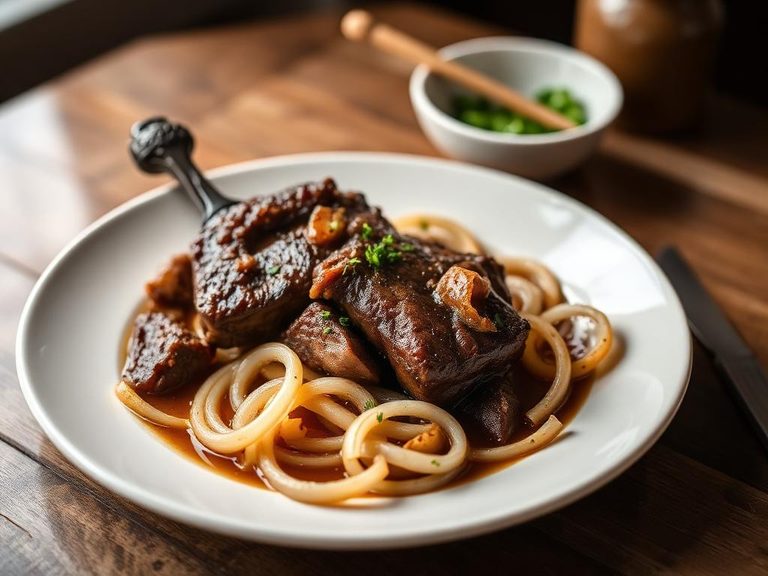
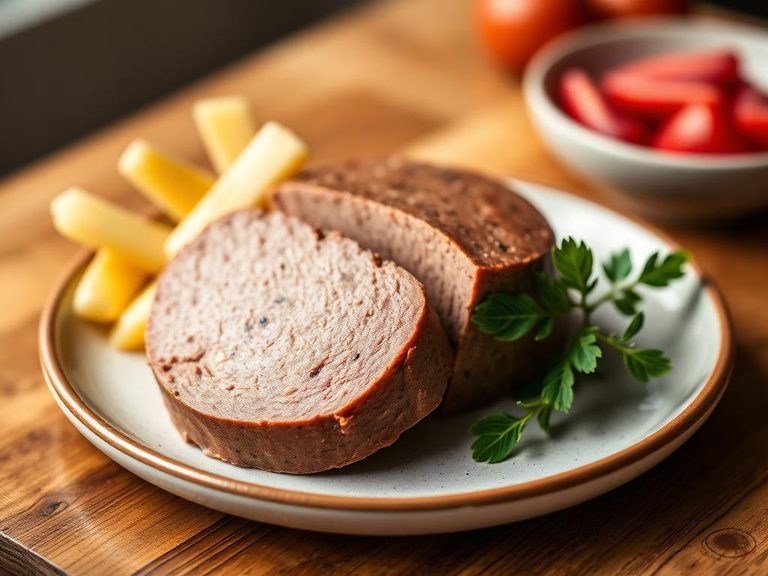
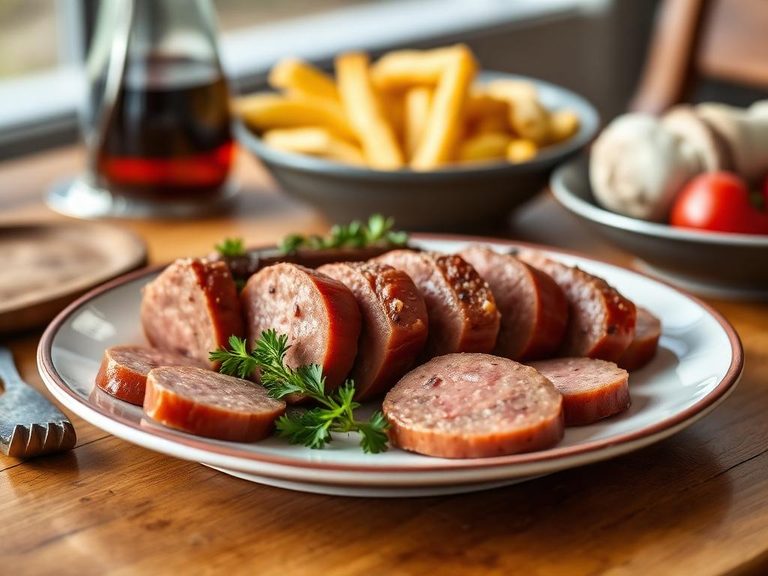
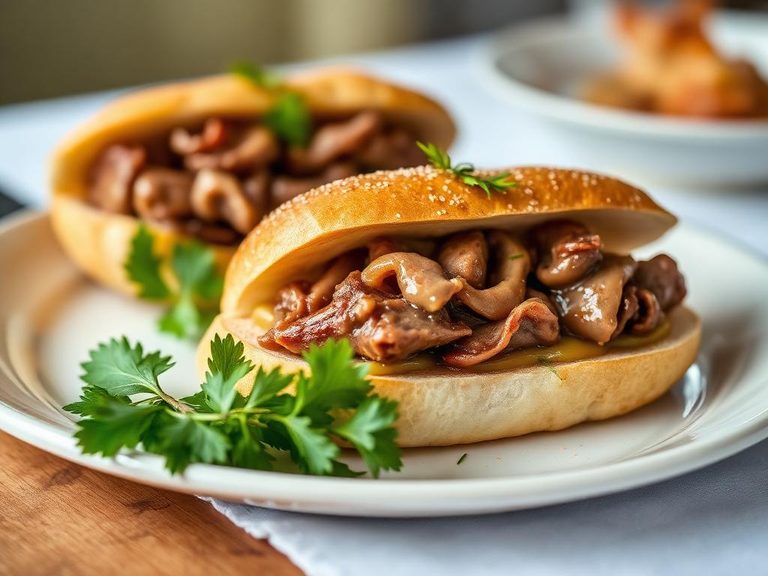
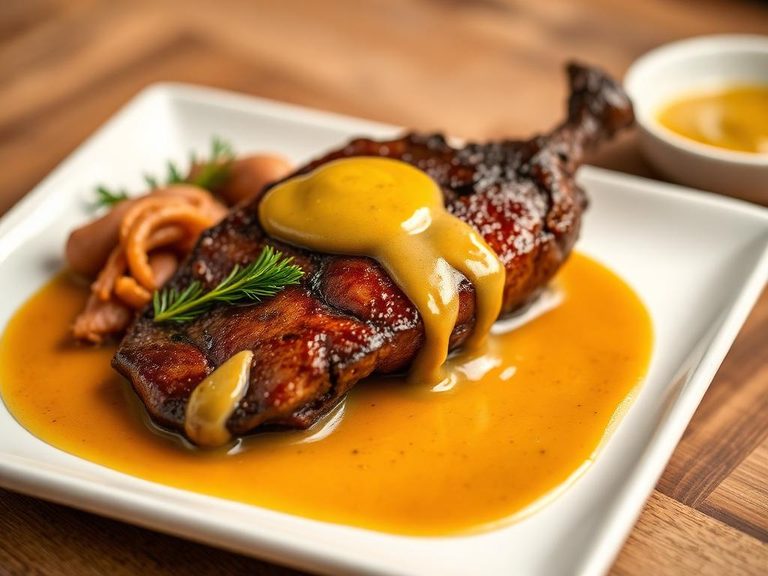
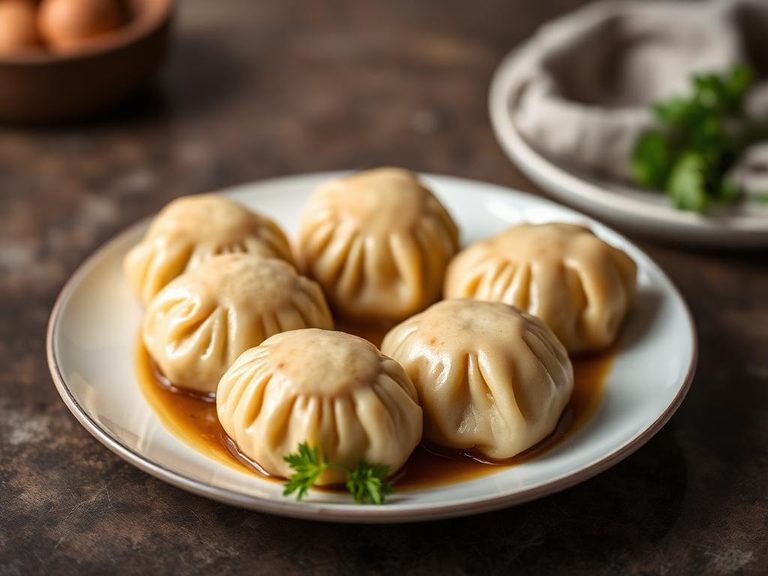
🍽️ Popular dishes
🌍 Where it's eaten
💡 Did you know?
Beef liver is so packed with vitamin A that a single 100g serving provides over 300% of the daily recommended intake—consuming it daily for weeks could lead to vitamin A toxicity (hypervitaminosis A), a rare but serious condition.
Full nutrition (USDA data · scales with serving)
| Water | 58.8 g |
| Energy | 191 kcal |
| Energy | 801 kj |
| Protein | 29.1 g |
| Total lipid (fat) | 5.3 g |
| Ash | 1.7 g |
| Carbohydrate, by difference | 5.1 g |
| Fiber, total dietary | 0.00 g |
| Total Sugars | 0.00 g |
| Calcium, Ca | 6.0 mg |
| Iron, Fe | 6.5 mg |
| Magnesium, Mg | 21.0 mg |
| Phosphorus, P | 497 mg |
| Potassium, K | 352 mg |
| Sodium, Na | 79.0 mg |
| Zinc, Zn | 5.3 mg |
| Copper, Cu | 14.3 mg |
| Manganese, Mn | 0.36 mg |
| Selenium, Se | 36.1 ug |
| Vitamin C, total ascorbic acid | 1.9 mg |
| Thiamin | 0.19 mg |
| Riboflavin | 3.4 mg |
| Niacin | 17.5 mg |
| Pantothenic acid | 7.1 mg |
| Vitamin B-6 | 1.0 mg |
| Folate, total | 253 ug |
| Folic acid | 0.00 ug |
| Folate, food | 253 ug |
| Folate, DFE | 253 ug |
| Choline, total | 426 mg |
| Betaine | 5.6 mg |
| Vitamin B-12 | 70.6 ug |
| Vitamin B-12, added | 0.00 ug |
| Vitamin A, RAE | 9442 ug |
| Retinol | 9428 ug |
| Carotene, beta | 162 ug |
| Carotene, alpha | 11.0 ug |
| Cryptoxanthin, beta | 11.0 ug |
| Vitamin A, IU | 31714 iu |
| Lycopene | 0.00 ug |
| Lutein + zeaxanthin | 0.00 ug |
| Vitamin E (alpha-tocopherol) | 0.51 mg |
| Vitamin E, added | 0.00 mg |
| Tocopherol, beta | 0.00 mg |
| Tocopherol, gamma | 0.06 mg |
| Tocopherol, delta | 0.00 mg |
| Tocotrienol, alpha | 0.00 mg |
| Tocotrienol, beta | 0.00 mg |
| Tocotrienol, gamma | 0.00 mg |
| Tocotrienol, delta | 0.00 mg |
| Vitamin D (D2 + D3), International Units | 49.0 iu |
| Vitamin D (D2 + D3) | 1.2 ug |
| Vitamin D3 (cholecalciferol) | 1.2 ug |
| Vitamin K (phylloquinone) | 3.3 ug |
| Vitamin K (Dihydrophylloquinone) | 0.00 ug |
| Alcohol, ethyl | 0.00 g |
| Caffeine | 0.00 mg |
| Theobromine | 0.00 mg |
Fat & fatty acid profile (per 100g)
| Fatty acids, total saturated | 2.9 g |
| SFA 4:0 | 0.00 g |
| SFA 6:0 | 0.00 g |
| SFA 8:0 | 0.00 g |
| SFA 10:0 | 0.00 g |
| SFA 12:0 | 0.00 g |
| SFA 14:0 | 0.04 g |
| SFA 15:0 | 0.01 g |
| SFA 16:0 | 0.79 g |
| SFA 17:0 | 0.07 g |
| SFA 18:0 | 2.0 g |
| SFA 20:0 | 0.00 g |
| SFA 22:0 | 0.02 g |
| Fatty acids, total monounsaturated | 1.1 g |
| MUFA 14:1 | 0.00 g |
| MUFA 15:1 | 0.00 g |
| MUFA 16:1 | 0.08 g |
| MUFA 17:1 | 0.02 g |
| MUFA 18:1 | 1.0 g |
| MUFA 20:1 | 0.00 g |
| MUFA 22:1 | 0.00 g |
| Fatty acids, total polyunsaturated | 1.1 g |
| PUFA 18:2 | 0.00 g |
| PUFA 18:2 n-6 c,c | 0.66 g |
| PUFA 18:3 | 0.00 g |
| PUFA 18:3 n-3 c,c,c (ALA) | 0.02 g |
| PUFA 18:3 n-6 c,c,c | 0.03 g |
| PUFA 18:4 | 0.00 g |
| PUFA 20:2 n-6 c,c | 0.01 g |
| PUFA 20:3 | 0.00 g |
| PUFA 20:4 | 0.40 g |
| PUFA 20:5 n-3 (EPA) | 0.00 g |
| PUFA 22:5 n-3 (DPA) | 0.00 g |
| PUFA 22:6 n-3 (DHA) | 0.00 g |
| Fatty acids, total trans | 0.36 g |
| Cholesterol | 396 mg |
Amino acid profile (per 100g)
| Tryptophan | 0.37 g |
| Threonine | 1.2 g |
| Isoleucine | 1.4 g |
| Leucine | 2.7 g |
| Lysine | 2.2 g |
| Methionine | 0.76 g |
| Cystine | 0.53 g |
| Phenylalanine | 1.5 g |
| Tyrosine | 1.1 g |
| Valine | 1.8 g |
| Arginine | 1.7 g |
| Histidine | 0.88 g |
| Alanine | 1.6 g |
| Aspartic acid | 2.7 g |
| Glutamic acid | 3.7 g |
| Glycine | 1.6 g |
| Proline | 1.3 g |
| Serine | 1.3 g |
| Hydroxyproline | 0.05 g |
FAQ
Is braised beef liver a good source of protein?
Yes, it's exceptionally high in protein, with about 29 grams per 100g, making it one of the most protein-dense animal foods available.
How should I cook beef liver to avoid a tough texture?
Braise it slowly in a flavorful liquid (like broth, wine, or tomato sauce) with onions and herbs. This gentle, moist heat breaks down connective tissue, resulting in a tender, velvety texture.
Can I eat beef liver if I have high iron levels?
Individuals with hemochromatosis or iron overload should avoid or strictly limit beef liver, as it is extremely high in heme iron, which can exacerbate the condition.
Nutrient density (calculated · NRF9.3)
Nutrient Rich Foods index: beneficial nutrients (protein, fiber, vitamins, minerals) minus saturated fat, added sugar & sodium, per 100 kcal.
NRF9.3 index — Fulgoni, Keast & Drewnowski, 2009. Computed from USDA nutrients.
Weight-loss friendliness (composite index)
Energy density 1.91 kcal/g · 61% calories from protein · 0.0 g fiber · 0.0 g sugar per 100 g.
Composite of energy density (Rolls et al., 1999), protein & fiber satiety, minus sugar. A calculated heuristic — ranks satiety-per-calorie, not a clinical measure.
Dietary load (calculated from USDA values)
Potential renal acid load. Positive = acid-forming, negative = alkaline-forming.
Sodium-to-potassium ratio: 0.22 (lower is better — aim for ≤ 1)
Sodium:potassium per WHO potassium guidance. Computed from USDA nutrients.