

Beef, round, top round roast, boneless, separable lean only, trimmed to 0" fat, all grades, cooked, roasted
Whole food · Beef Products

Photo: Wikipedia
Top round roast is a lean, boneless cut from the rear leg of the cow, prized for its firm, dense texture and deep beefy flavor. When roasted to perfection, it yields tender, sliceable meat with a clean, savory taste and virtually no marbling. With 30g of protein and under 4g of fat per 100g, it's a powerhouse of lean nutrition.
Calorie split: 78% protein · 0% carbs · 22% fat
↓ Full nutrition💚 Why it's loved
People love top round roast for its robust, beefy flavor that pairs beautifully with simple seasonings and herbs, and its ability to be sliced thin for sandwiches or served as a hearty main course. It's a staple in home cooking and deli counters alike, offering a satisfying, protein-rich meal that feels indulgent without the heaviness of fattier cuts.
⚠️ Watch-outs & how to enjoy it better
The main downside is its leanness, which can make it tough and dry if overcooked or not sliced against the grain. To counteract this, roast it low and slow to an internal temperature of 135°F (57°C) for medium-rare, and always let it rest before slicing. Pairing it with a flavorful sauce, gravy, or a side of vegetables can add moisture and balance the meal.
Key benefits
- Excellent source of complete protein for muscle maintenance
- Very low in fat and calories for a red meat
- Rich in iron, zinc, and B vitamins (especially B12)
- Naturally carb-free, suitable for keto and low-carb diets
- Versatile for meal prep and portion control
🍽️ Popular dishes
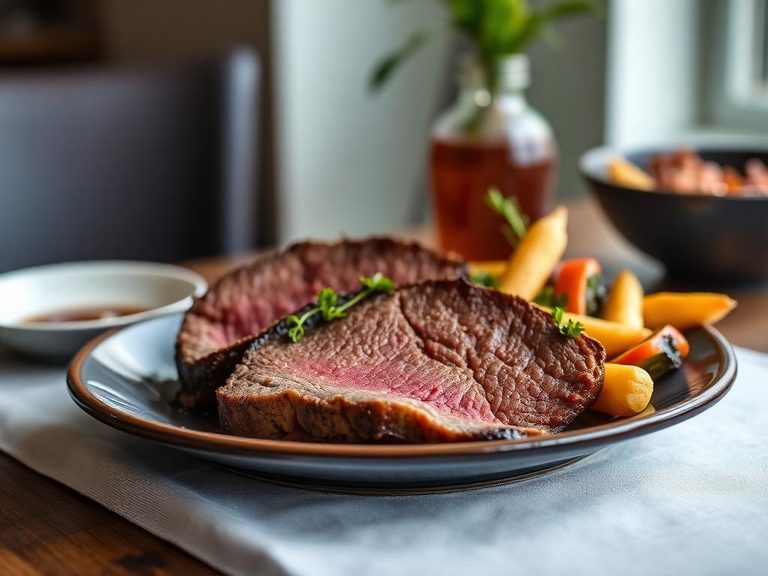
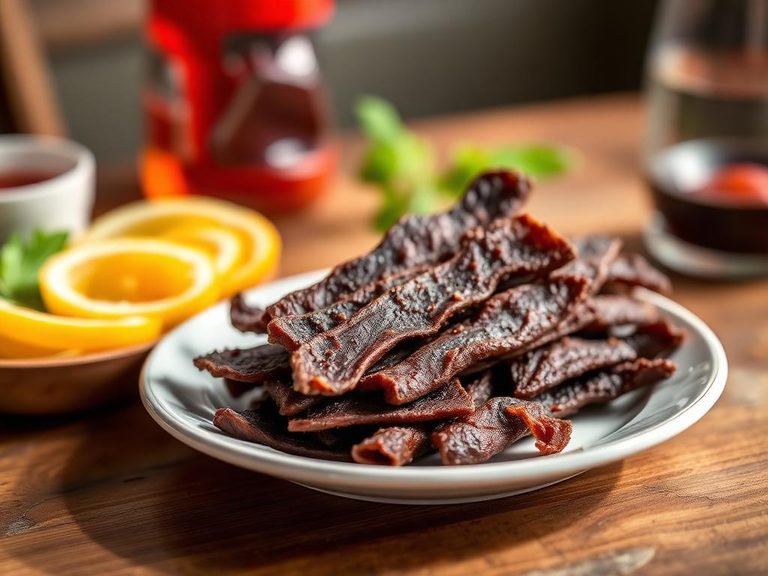
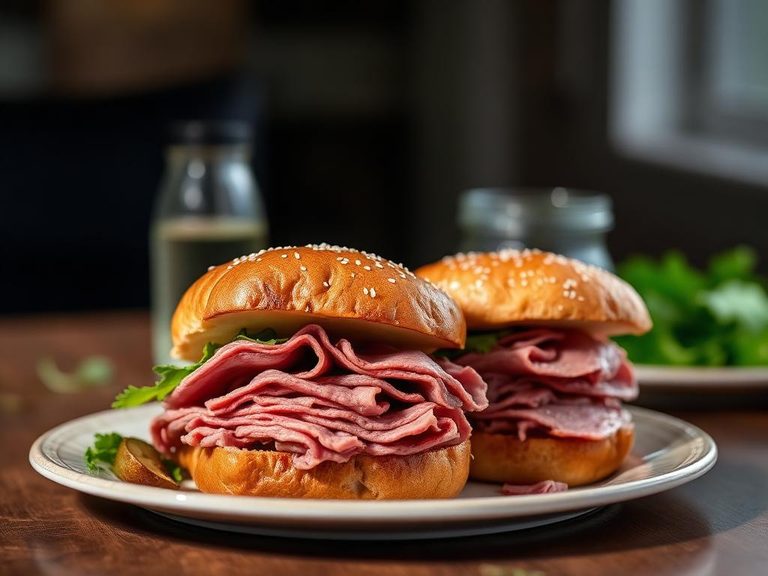
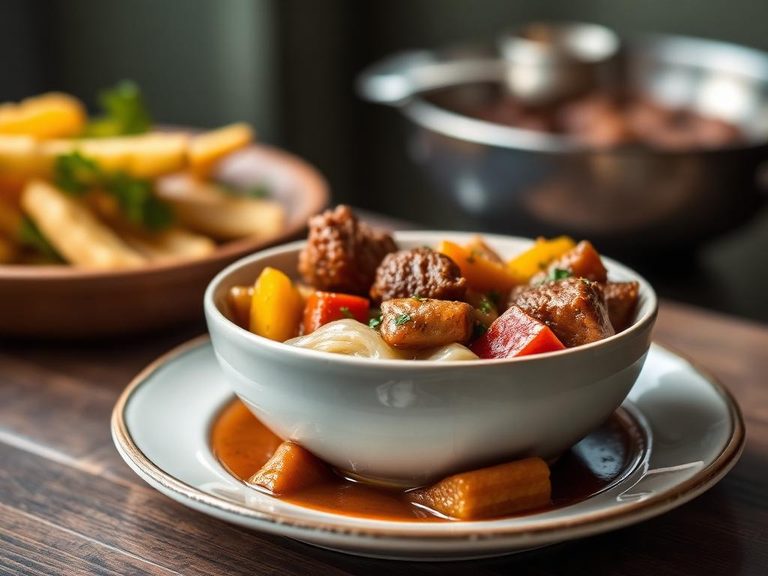
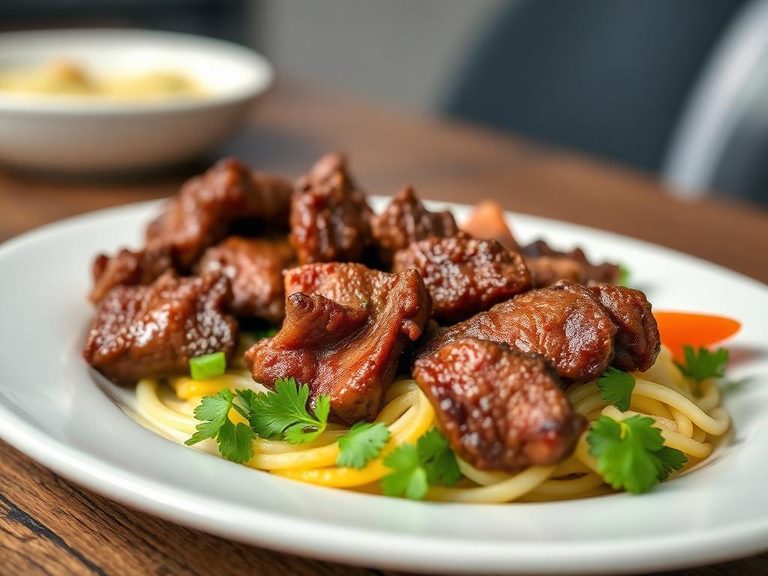
🌍 Where it's eaten
💡 Did you know?
The top round is one of the most exercised muscles on the cow, which is why it's so lean and flavorful—but also why it benefits greatly from slow cooking or marinating to break down the tough connective tissue.
Full nutrition (USDA data · scales with serving)
| Water | 65.0 g |
| Energy | 162 kcal |
| Energy | 680 kj |
| Protein | 30.1 g |
| Total lipid (fat) | 3.8 g |
| Ash | 1.3 g |
| Carbohydrate, by difference | 0.00 g |
| Fiber, total dietary | 0.00 g |
| Total Sugars | 0.00 g |
| Calcium, Ca | 16.0 mg |
| Iron, Fe | 2.9 mg |
| Magnesium, Mg | 15.0 mg |
| Phosphorus, P | 272 mg |
| Potassium, K | 387 mg |
| Sodium, Na | 67.0 mg |
| Zinc, Zn | 4.6 mg |
| Copper, Cu | 0.06 mg |
| Manganese, Mn | 0.01 mg |
| Selenium, Se | 27.4 ug |
| Vitamin C, total ascorbic acid | 0.00 mg |
| Thiamin | 0.08 mg |
| Riboflavin | 0.29 mg |
| Niacin | 8.0 mg |
| Pantothenic acid | 0.44 mg |
| Vitamin B-6 | 0.78 mg |
| Folate, total | 5.0 ug |
| Folic acid | 0.00 ug |
| Folate, food | 5.0 ug |
| Folate, DFE | 5.0 ug |
| Choline, total | 80.1 mg |
| Betaine | 13.7 mg |
| Vitamin B-12 | 2.0 ug |
| Vitamin B-12, added | 0.00 ug |
| Vitamin A, RAE | 2.0 ug |
| Retinol | 2.0 ug |
| Carotene, beta | 0.00 ug |
| Carotene, alpha | 0.00 ug |
| Cryptoxanthin, beta | 0.00 ug |
| Vitamin A, IU | 8.0 iu |
| Lycopene | 0.00 ug |
| Lutein + zeaxanthin | 0.00 ug |
| Vitamin E (alpha-tocopherol) | 0.28 mg |
| Vitamin E, added | 0.00 mg |
| Vitamin D (D2 + D3), International Units | 1.0 iu |
| Vitamin D (D2 + D3) | 0.00 ug |
| Vitamin D3 (cholecalciferol) | 0.00 ug |
| Vitamin K (phylloquinone) | 1.9 ug |
| Alcohol, ethyl | 0.00 g |
| Caffeine | 0.00 mg |
| Theobromine | 0.00 mg |
Fat & fatty acid profile (per 100g)
| Fatty acids, total saturated | 1.4 g |
| SFA 4:0 | 0.00 g |
| SFA 6:0 | 0.00 g |
| SFA 8:0 | 0.00 g |
| SFA 10:0 | 0.01 g |
| SFA 12:0 | 0.00 g |
| SFA 14:0 | 0.08 g |
| SFA 15:0 | 0.01 g |
| SFA 16:0 | 0.79 g |
| SFA 17:0 | 0.04 g |
| SFA 18:0 | 0.45 g |
| SFA 20:0 | 0.00 g |
| SFA 24:0 | 0.00 g |
| Fatty acids, total monounsaturated | 1.6 g |
| MUFA 14:1 | 0.02 g |
| MUFA 16:1 | 0.11 g |
| MUFA 16:1 c | 0.10 g |
| MUFA 17:1 | 0.03 g |
| MUFA 18:1 | 1.4 g |
| MUFA 18:1 c | 1.3 g |
| MUFA 20:1 | 0.01 g |
| MUFA 22:1 | 0.00 g |
| Fatty acids, total polyunsaturated | 0.28 g |
| PUFA 18:2 | 0.19 g |
| PUFA 18:2 n-6 c,c | 0.17 g |
| PUFA 18:2 CLAs | 0.01 g |
| PUFA 18:3 | 0.01 g |
| PUFA 18:3 n-3 c,c,c (ALA) | 0.01 g |
| PUFA 18:4 | 0.00 g |
| PUFA 20:2 n-6 c,c | 0.00 g |
| PUFA 20:3 | 0.02 g |
| PUFA 20:3 n-6 | 0.02 g |
| PUFA 20:4 | 0.04 g |
| PUFA 20:5 n-3 (EPA) | 0.00 g |
| PUFA 22:5 n-3 (DPA) | 0.01 g |
| PUFA 22:6 n-3 (DHA) | 0.00 g |
| Fatty acids, total trans | 0.17 g |
| Fatty acids, total trans-monoenoic | 0.15 g |
| TFA 16:1 t | 0.01 g |
| TFA 18:1 t | 0.15 g |
| TFA 18:2 t not further defined | 0.01 g |
| Fatty acids, total trans-polyenoic | 0.01 g |
| Cholesterol | 77.0 mg |
Amino acid profile (per 100g)
| Tryptophan | 0.38 g |
| Threonine | 1.6 g |
| Isoleucine | 1.6 g |
| Leucine | 2.9 g |
| Lysine | 3.3 g |
| Methionine | 0.90 g |
| Cystine | 0.34 g |
| Phenylalanine | 1.4 g |
| Tyrosine | 1.3 g |
| Valine | 1.7 g |
| Arginine | 2.3 g |
| Histidine | 1.3 g |
| Alanine | 2.0 g |
| Aspartic acid | 3.3 g |
| Glutamic acid | 5.5 g |
| Glycine | 1.5 g |
| Proline | 1.4 g |
| Serine | 1.4 g |
| Hydroxyproline | 0.16 g |
FAQ
Is top round roast the same as eye of round?
No, they are different cuts. Top round comes from the inner thigh and is slightly more tender, while eye of round is from the rear leg and is leaner but tougher.
How should I cook top round roast to keep it tender?
Roast it at a low temperature (325°F/163°C) until it reaches 135°F (57°C) for medium-rare, then let it rest for 10-15 minutes before slicing against the grain.
Can I use top round roast for beef jerky?
Yes, it's an excellent choice for jerky due to its low fat content, which helps the jerky dry evenly and last longer.
Nutrient density (calculated · NRF9.3)
Nutrient Rich Foods index: beneficial nutrients (protein, fiber, vitamins, minerals) minus saturated fat, added sugar & sodium, per 100 kcal.
NRF9.3 index — Fulgoni, Keast & Drewnowski, 2009. Computed from USDA nutrients.
Weight-loss friendliness (composite index)
Energy density 1.62 kcal/g · 74% calories from protein · 0.0 g fiber · 0.0 g sugar per 100 g.
Composite of energy density (Rolls et al., 1999), protein & fiber satiety, minus sugar. A calculated heuristic — ranks satiety-per-calorie, not a clinical measure.
Dietary load (calculated from USDA values)
Potential renal acid load. Positive = acid-forming, negative = alkaline-forming.
Sodium-to-potassium ratio: 0.17 (lower is better — aim for ≤ 1)
Sodium:potassium per WHO potassium guidance. Computed from USDA nutrients.